
Gold-silver
Gold Drops 25% from January Highs — Investors Face Hard Choices
Gold plummets 25% since January's peak, driven by a strong dollar and Fed's rate hints. Kiyosaki advises patience despite market jitters.
John Nada•Jun 21
Precious metals, inflation hedges, and central bank buying(422 articles)
Gold plummets 25% since January's peak, driven by a strong dollar and Fed's rate hints. Kiyosaki advises patience despite market jitters.

Goldman Sachs cuts its gold forecast by $500, reflecting Fed's firm stance on interest rates. Market jitters deepen as digital and traditional assets face headwinds.
Vizsla Silver secures a $10M facility from FIFOMI, boosting its Panuco silver-gold project in Mexico. Strategic funding validates the project's economic impact.
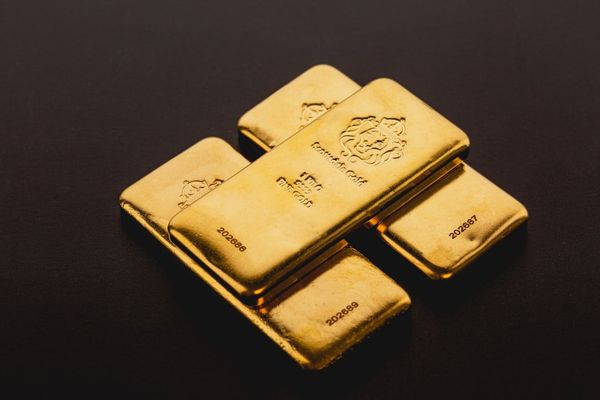
Gold tumbles into a bear market, dragging ETFs down over 20%. The Fed's rate decisions and geopolitical shifts could shape recovery paths.
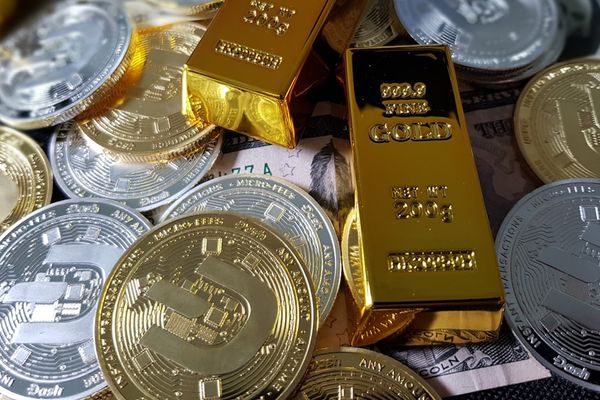
Amid soaring deficits and credit downgrades, TIPS promise real yield, but gold offers a hedge against fiscal and geopolitical risks, as central banks ramp up gold purchases.

Despite a 19% cut in solar silver demand, the market deficit widens to 46.3M ounces. Structural supply constraints keep the silver thesis firm.

Gold prices dropped $57 today, driven by low liquidity due to the U.S. holiday. Global markets responded to the Fed's recent meeting.

45% of central banks plan to increase gold reserves amid Fed's potential rate hikes. Dollar hits 13-month high, adding market pressure.
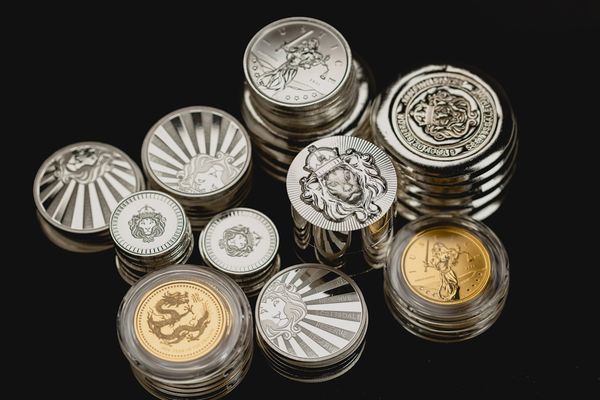
Silver's initial surge to $69.85 was thwarted by the FOMC's rate hike hints, plunging it to $66.31. Dual forces reveal silver's volatile nature.

Silver futures fell 3.8% amid a U.S.-Iran deal and inflation concerns, reflecting geopolitical and economic influences in play.
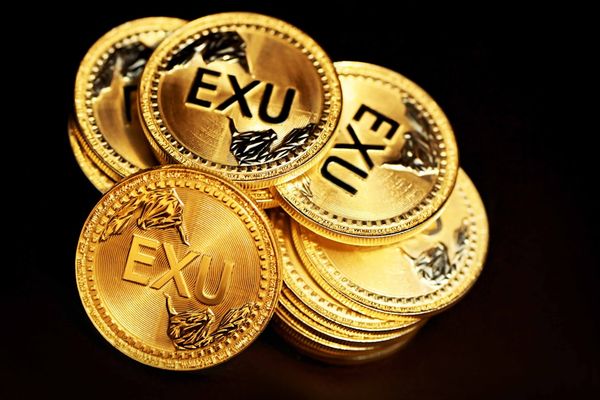
Gold surpasses U.S. Treasuries in reserves. Central banks now view it as a strategic asset, driven by safety and geopolitical factors.
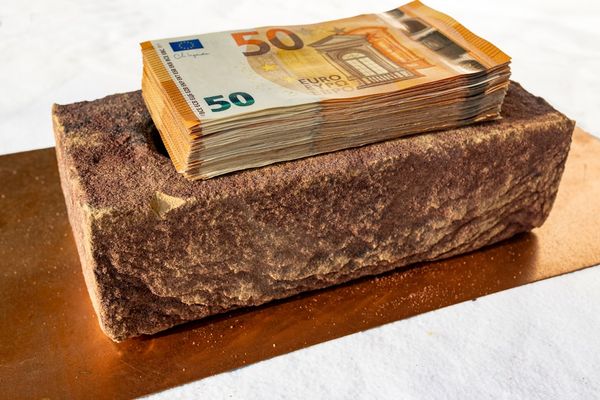
Gold futures hold steady at $4,349.30 as the market eyes the Fed's decision under new president Kevin Warsh. Upcoming U.S.-Iran deal also influences markets.

Gold storage at $72 per year for $10,000 offers legal protection, surpassing ETF claims but costing more.
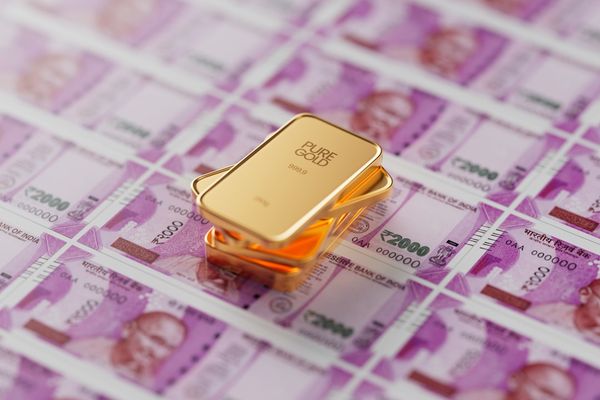
IRS rules create up to a 28% tax difference between Gold ETFs and IRAs. Understand the stakes before diving in.
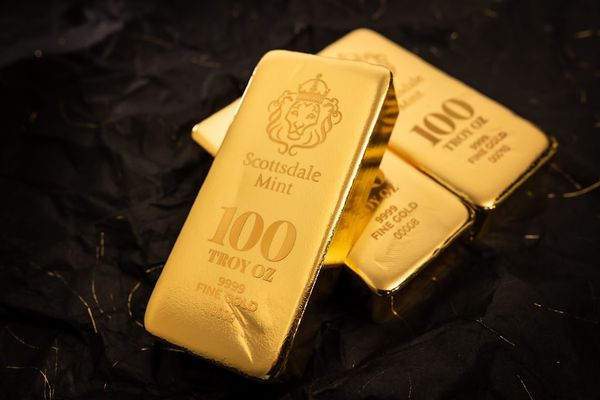
Gold holds at $4,347 as stocks hit records and oil dips. Dual drivers keep gold steady amidst economic shifts.

Silver rises 3.45% to $70.38 as US-Iran ceasefire eases inflation. Gold-silver ratio signals silver undervaluation.
The Iran peace deal has sent oil prices tumbling over 5% while gold rises nearly 3%, reversing an inflation-driven trend.
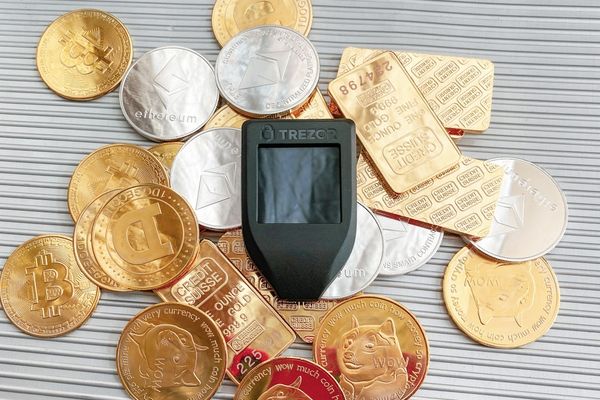
Inflation hits a three-year high at 4.2%, but the S&P 500 stays strong. Gold drops 24% from its peak.

Gold futures soar 3.4% as Trump claims end to Iran war. Caution reigns as experts urge focus on Iranian actions over presidential statements.

Silver futures rose 5.5% amid geopolitical shifts with Iran. Speculators eye future moves.