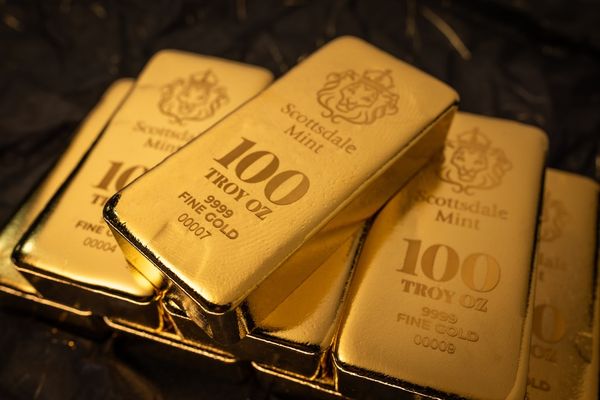
Gold-silver
Gold Gains 2% Amid Institutional Endorsements — Outlook Unchanged
Gold climbs 2% amid institutional endorsement, with major players like State Street and Goldman Sachs reaffirming long-term bullish outlook.
John Nada•Jul 5
Precious metals, inflation hedges, and central bank buying(422 articles)
Gold climbs 2% amid institutional endorsement, with major players like State Street and Goldman Sachs reaffirming long-term bullish outlook.

JPMorgan slashes its Q4 gold price forecast by 25% to $4,500 per ounce, reflecting caution over weak demand. Long-term outlook stays bullish.
Jim Cramer warns of potential gold price dip, despite liking Agnico Eagle. Market insight shows possible investor shift.
Gold surged past $4,100 as Fed Chair Warsh signaled inflation risks are easing, suggesting potential for future rate cuts.
Gold soared past $4,100 as the unemployment rate fell to 4.2%, driven by a lower participation rate, not job growth, impacting rate hike expectations.
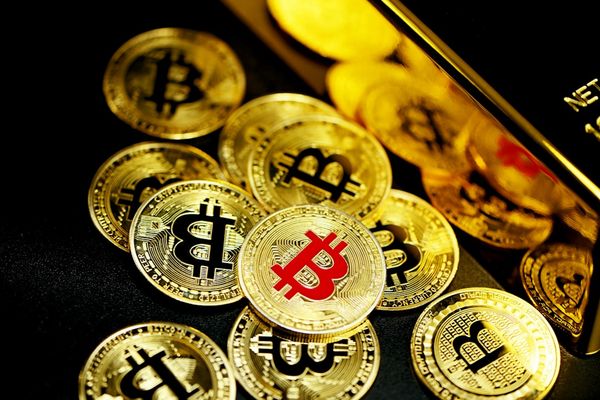
Gold surged to a 3-week high after weak jobs data slashed Fed rate hike odds for July, reducing the opportunity cost of holding bullion.

Gold rebounds to $4,200 as softer jobs data pressures the Dollar. Fed speculation remains a key market driver.
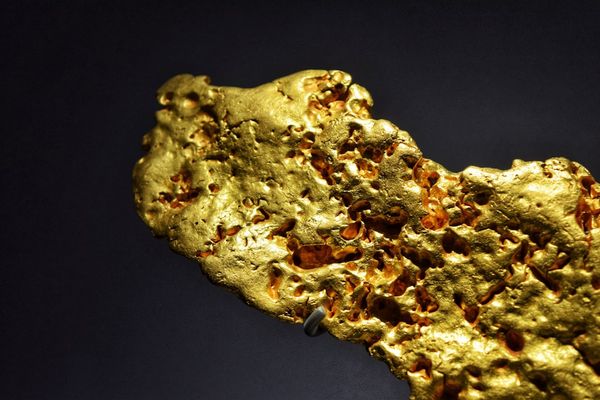
Gold claims a 2.3% weekly gain, buoyed by weaker U.S. payroll data and shifting Fed rate expectations. Precious metals join the rally.
Gold rose 2.49% to $4,132.56 as traders unwind rate-hike bets. Silver surged 3.85% to $61.45, moving further due to its industrial demand.
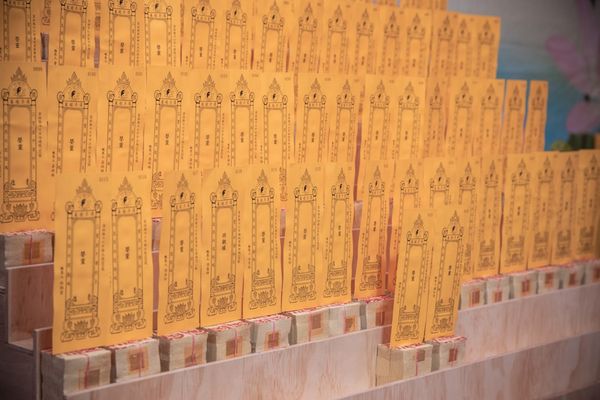
Bitcoin and gold rallies hinge on U.S. payroll data. Fed Chair Warsh's inflation comments spark reassessment.
Silver futures hit $62 as Fed's rate hike prospects fade. Employment data and inflation outlook influence market sentiment.
Barrick Mining's stock plummets 17% in 2026 despite gold's surge. Leadership shifts and geopolitical challenges weigh heavily.

Gold and silver face a 28% tax on long-term gains. Discover how this 'collectibles' classification differs from typical investments.
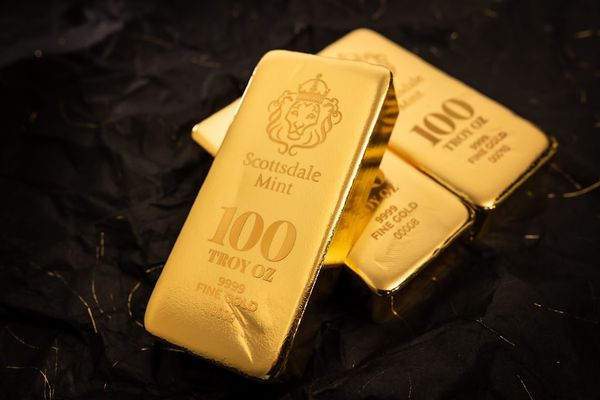
Gold prices rebounded slightly after a 16% drop, marking the worst quarter in 13 years. Rising interest rates and economic data pressure its safe-haven appeal.

OCBC cuts gold forecast by $740, citing real yields and stronger dollar. Long-term outlook remains steady.
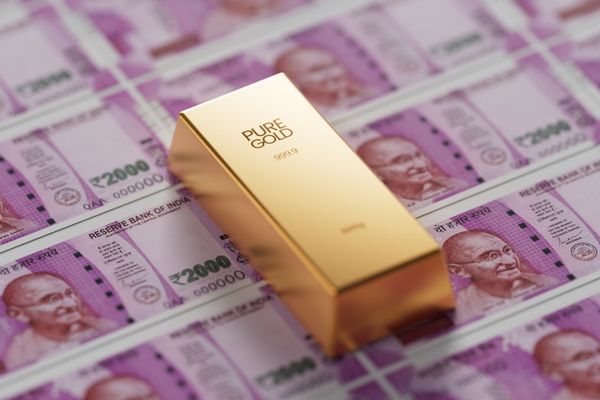
Gold tumbles 28% from its peak under Fed's tightening. Carley Garner sees a floor at $3,600-$3,700 amid divergent institutional outlooks.
Gold mining margins now exceed Google's 32% as prices soar over $4,000 per ounce. Automation reshapes the future, but funding gaps loom.
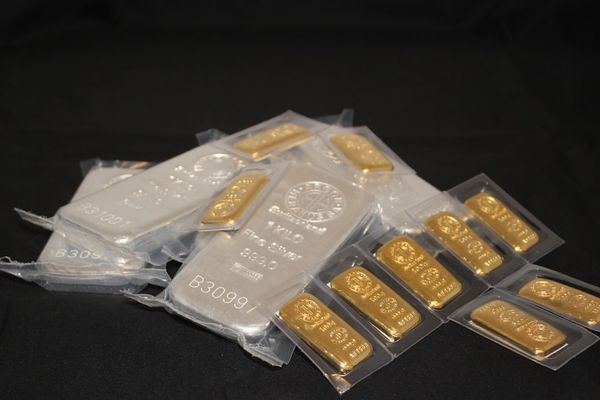
Gold futures rise to $4,047; Goldman Sachs predicts potential surge to $4,900. Central bank demand vs. market volatility fuels debate.
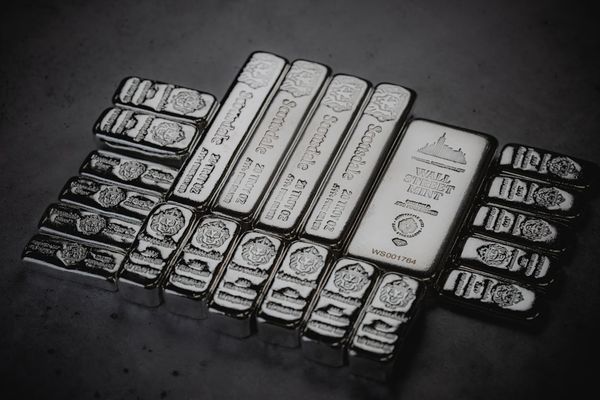
Silver futures up 0.2%, but remain volatile. Industrial demand and dollar strength add complexity.

Gold's price defies real yield logic, driven by central bank buying and US dollar weakness, creating a robust foundation for its high valuation.