
Macro
Trump Cheers 4.2% Inflation Amid Iran Conflict—Sharp Economic Shift Looms
President Trump embraces a 4.2% inflation spike, eyeing a post-Iran conflict drop. Gold shines as a potential hedge.
John Nada•Jun 14
Precious metals, inflation hedges, and central bank buying(422 articles)
President Trump embraces a 4.2% inflation spike, eyeing a post-Iran conflict drop. Gold shines as a potential hedge.

Gold drops 25% to $4,165 amid oil-driven inflation and Fed changes. Yet, institutions keep bullish forecasts amid geopolitical tensions.
Allied Gold faces a skeptical market amid merger plans with Zijin Mining — regulatory and jurisdictional challenges raise concerns despite operational stability.

Avino Silver & Gold Mines' revenue soared 109% to $39.4M in Q1 2026, driven by strong silver production and pricing.
Gold rallied 3.4% on Iran peace talks news but eased as traders waited for confirmation. Oil prices dropped, hinting at a potential inflation reversal.
J.P. Morgan predicts gold hitting $6,000, fueled by underreported central bank demand 15x official data, with China leading strategic purchases.

Gold prices hit a six-month low as inflation fears grow and the Fed eyes rate hikes. Investors rethink the traditional safe-haven amid shifting market dynamics.
Gold rose $110, silver gained over 3.5% amid inflation and ECB hikes. Seller exhaustion and Iran tensions play key roles.
May CPI hits 4.2% with gold dropping $100 despite energy-driven inflation. Markets react to Fed's hawkish expectations.

Silver futures dropped 4.6% amid geopolitical tensions and inflation worries, reflecting broader market concerns.
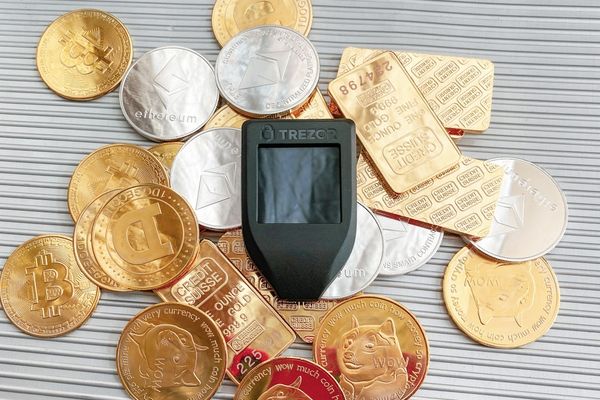
Bitcoin and gold tumble 3% and 2% respectively amid rate hike fears, highlighting investor nerves ahead of a key U.S. inflation report.
Gold drops 3% amid rate hike anticipation, yet China's gold-buying spree persists. Markets react to U.S. jobs data and imminent CPI.
Gold prices slump to an 11-week low as strong U.S. jobs data and rising oil prices fuel rate hike expectations and pressure the precious metal.
Gold stabilizes near $4,330 as China's banking sector tightens margins and Fed rate-hike bets rise.
Gold mirrors its 2022 drop, but the drivers are new. 2026 sees speculative fear, not rate hikes, behind the 22% fall.

Silver futures opened lower, reacting to renewed Israel-Iran tensions. Prices fell 1.8% amid broader market volatility.
Silver futures drop 4% post-jobs report, highlighting ongoing volatility. With year-over-year gains still strong, investors face tricky tax implications.
Gold fell to $4,448 amid rate-hike fears, yet central banks continue to buy heavily. A complex tale of contrasting strategies.

Gold bucks convention, rising amid soaring Fed rate hike odds. Real yields, not nominal ones, reveal the true story.
Central banks' gold buying, starting in 2008, reshapes markets. 2026 sees investment surpass jewelry demand, driven by China's pivot.