
Gold-silver
Gold Predicted to Soar Above $6,000 by 2026 Amid Inflation, Instability
Gold's price may reach $6,300 by 2026, driven by inflation, geopolitical tensions, and rising central bank demand, says Yahoo Finance.
John Nada•Jun 6
Precious metals, inflation hedges, and central bank buying(422 articles)
Gold's price may reach $6,300 by 2026, driven by inflation, geopolitical tensions, and rising central bank demand, says Yahoo Finance.

Gold futures slide to $4,443 amid robust job growth and geopolitical tensions. Investors weigh the metal's role as a safe haven versus growth assets.

Central banks have shifted strategy, purchasing over 1,000 tonnes of gold annually. The move underscores gold's renewed role as a financial safe haven.

Silver sinks nearly 6% as jobs report overshoots expectations. Rate hike odds spike, highlighting structural supply deficit.
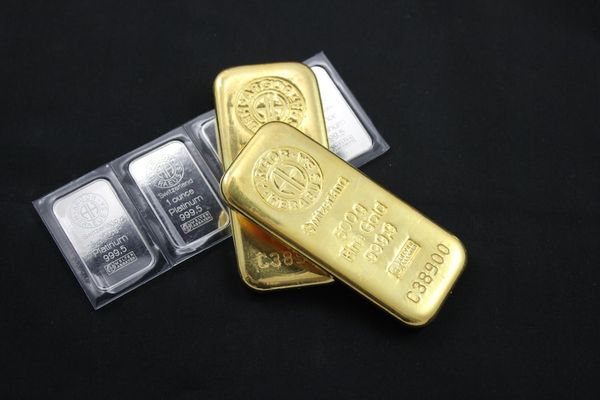
Gold holds at $4,481 amid rising rate hike expectations, defying usual trends. Key NFP jobs report tomorrow could shift dynamics.
Gold rises 1.5% amid strong hiring, signaling a tight Fed trap. Inflation, sector stagflation, and geopolitical tensions keep gold steady.

Gold surpasses US Treasuries in global reserves for the first time since 1996, driven by strategic central bank purchases and geopolitical concerns.

Gold at $4,450 as jobs data looms. Fed trapped by inflation and growth woes, eyes on Warsh's first meeting.
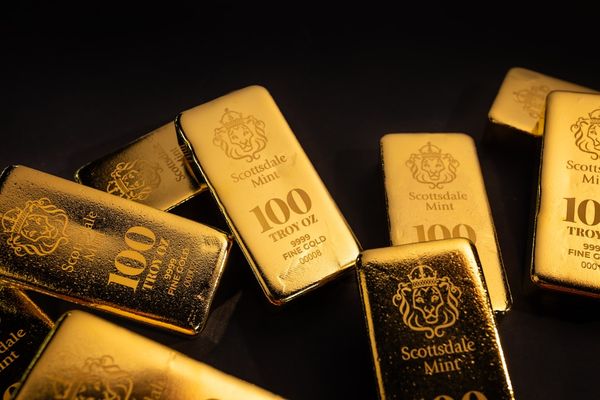
Gold's 100-year rise against the dollar's decline highlights enduring value amid fiat currency erosion. Nixon's 1971 move unleashed gold's true potential.
Factory input costs soar to 82.1, inflation entrenched. Gold holds above $4,460 amidst Fed's rate dilemma.

Bitcoin's chart mirrors gold's rise, targeting $300K. But Iran's oil shock threatens Fed rate paths, impacting BTC's journey.
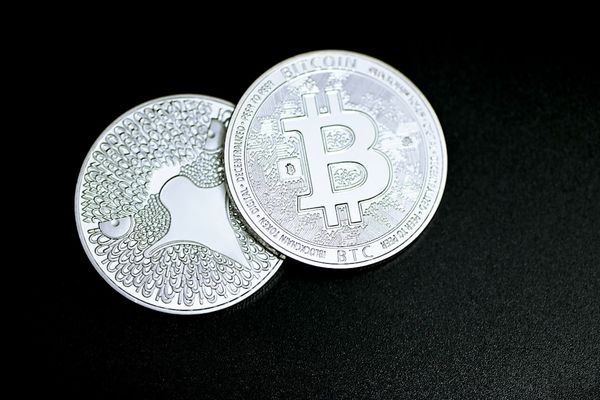
Silver futures rallied to $76.12 amid U.S.-Iran ceasefire talks and Middle Eastern conflicts, suggesting a geo-political hedge for investors.

Central banks bought 244 tonnes of gold in Q1 2026, marking a shift as new entrants like Guatemala and Kenya join the fray.

The SILVER Act may upend New York's vault monopoly, decentralizing precious metals storage across the US for improved resiliency and competition.

Gold holds at $4,440 as central banks step in. Post-holiday price dips reveal strategic moves amid market jitters.
GDX's golden dome signals exhaustion in gold miners as its parabolic rise halts. The ETF's bullish run might face downturn challenges.

China's gold imports triple as prices fall. Eastward shift in demand defies market trends, reflecting a deeper global wealth movement.
Renaissance Technologies stays loyal to Kinross Gold as the firm sees surging revenues amid record gold prices. But AI stocks capture some investors' eyes.
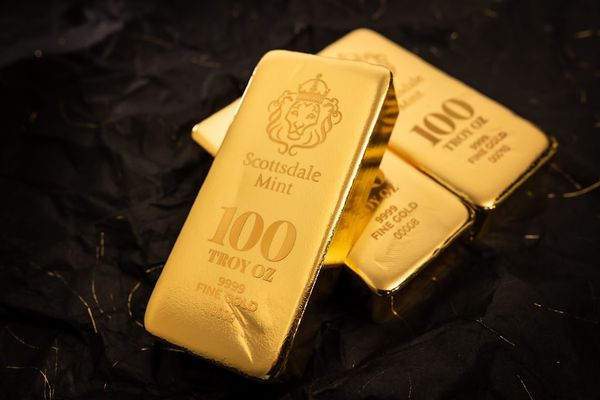
Gold has surged 37% over the past year, driven by inflation and central bank buying. Key ETFs offer exposure at different risk levels.

Goldman Sachs COO John Waldron calls inflation the top economic threat, highlighting its potential impact on global interest rates and consumer behavior.