Gold-silver
Gold Prices Hold Steady — August Futures Open at $4,101.10
Gold holds at $4,101.10 as markets eye the June jobs report. Steady prices amid economic uncertainty.
John Nada•Jun 29
Precious metals, inflation hedges, and central bank buying(422 articles)
Gold holds at $4,101.10 as markets eye the June jobs report. Steady prices amid economic uncertainty.
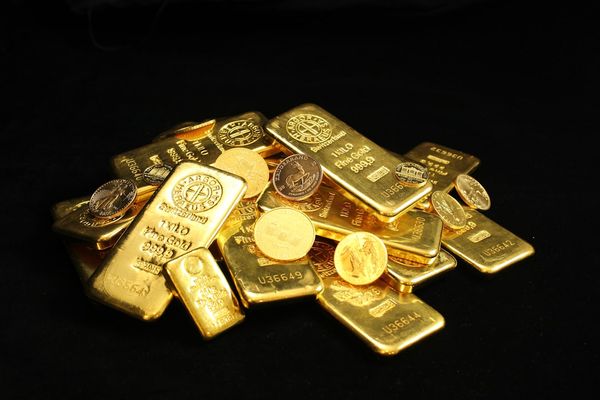
Gold trades $510 billion daily, yet isn't a High-Quality Liquid Asset. LBMA urges regulatory change, aiming to boost institutional demand.
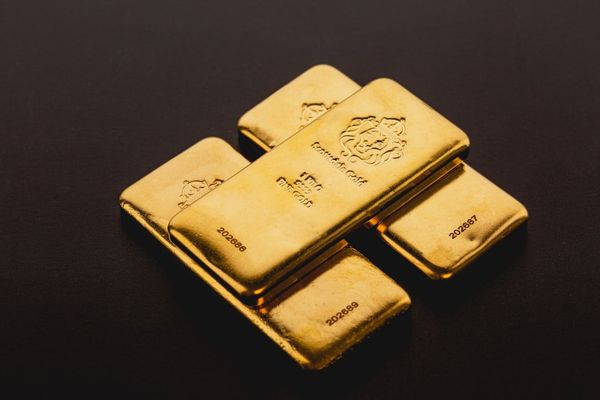
Gold rose 0.74% despite strong GDP data suggesting rate hikes. Traders had priced in risks, maintaining gold's appeal amid debt and inflation concerns.
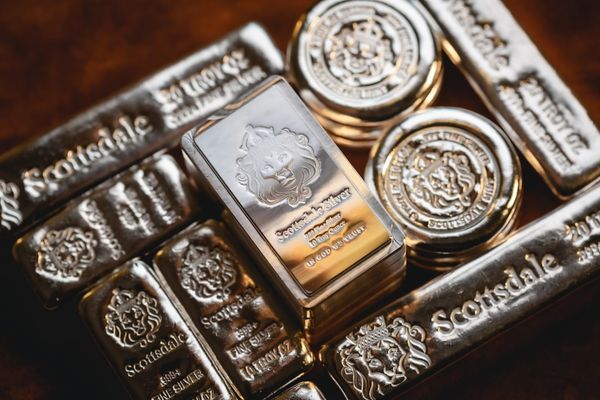
Bitcoin, gold, and silver plummet as the Fed's hawkish tone impacts the debasement trade. The stronger dollar further weighs on these assets.

Gold dips below $4,000 amid Fed's hawkish stance and a strong dollar, despite China's record gold imports and renewed ETF interest.

Gold plunges 5%, yet central banks plan record gold purchases. Short-term price drop contrasts with long-term institutional strategies.
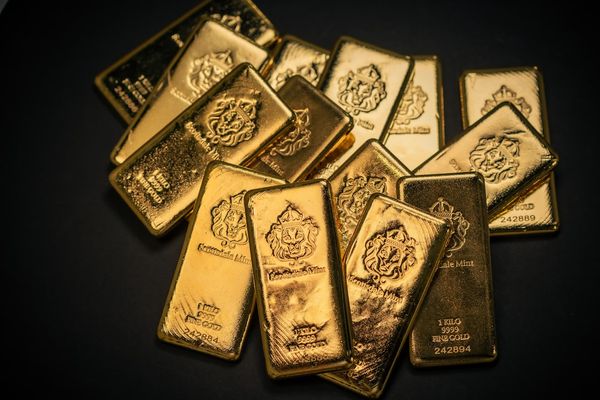
Gold futures dropped 11.6% in June amid inflation dynamics. Experts weigh gold's inflation-hedging role, with Fed's rate decisions in focus.
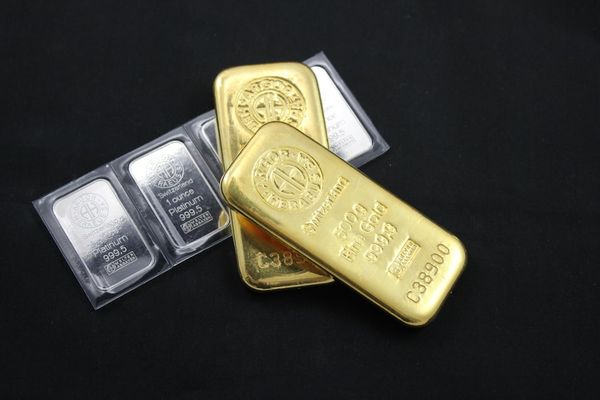
Silver futures tumble 9.1% as Fed hints at rate hikes. Inflation climbs, but silver faces pressure.
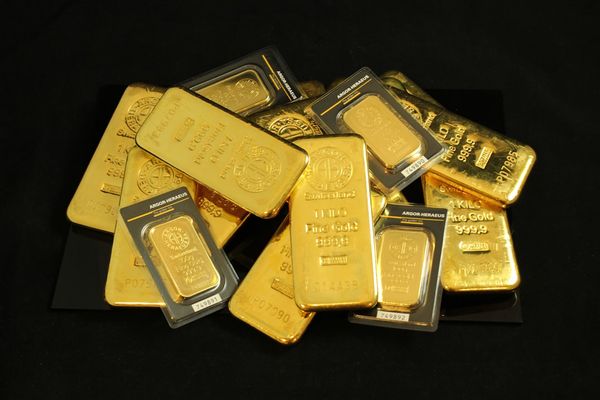
Silver futures falter to $57.60 amid Fed rate hike fears. Market awaits PCE index for inflation insights.
Gold rebounds above $4,000 as PCE inflation hits 4.1%. Central banks continue to buy, reinforcing long-term stability.
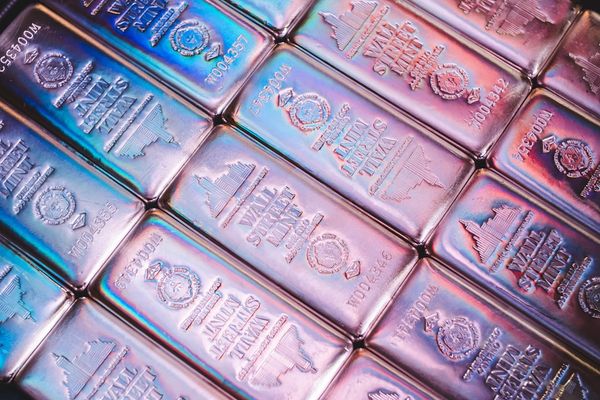
Silver margins hit historic highs with a $46 spread, backed by structural demand and supply deficits, defying short-term price dips.

Gold ETF outflows accelerate as the Fed turns hawkish; central banks remain steady buyers, raising questions about the future of gold prices.

Gold and silver prices remain under pressure as hawkish central banks and inflation fears weigh heavy. Adami remains hopeful for gold's future amid challenges.
Gold falls below $4,000 as Fed rate hikes loom, but long-term fundamentals remain intact.

Gold falls to $4,020 due to semiconductor selloff and Fed's hawkish moves. Key earnings and PCE report could change the course.
Bitcoin's bearish flag signals a potential decline amid rising risk-off trends, while gold tests support levels, reflecting an unwinding debasement trade.
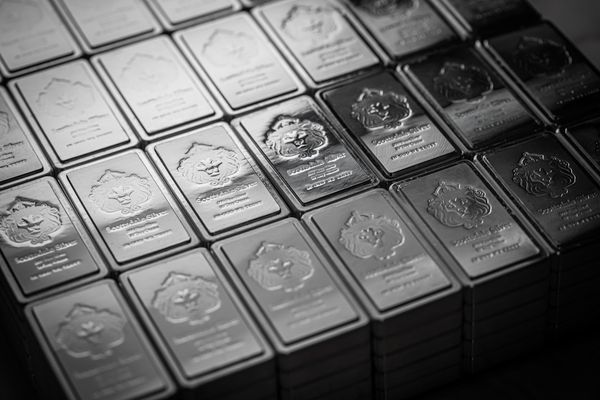
Silver dives 5.4% as Fed rate hike fears overshadow Iran peace dividend. Gold holds due to central bank support.
Silver fell over 4% following Kevin Warsh’s Fed debut. Despite fears, key bullish signals remain intact, underpinning silver’s ongoing potential.
Gold at $4,193 awaits Thursday's PCE data. The Fed's rate decisions hang on this pivotal inflation gauge.

Gold plunges 26% but Barclays maintains its bullish $4,791 forecast, citing temporary market factors.