Stagflation Signals: A New Era for Gold and Silver Markets
 By John Nada·May 4, 2026·4 min read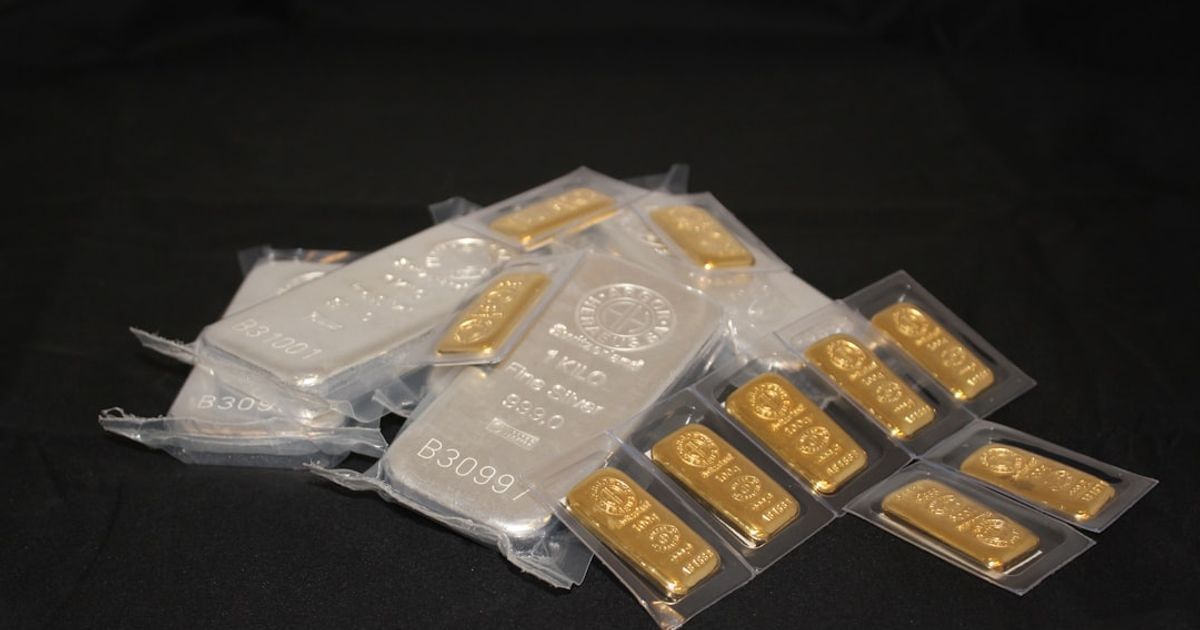
Stagflation marks a new reality for gold and silver as inflation rises and employment contracts. Upcoming economic indicators and Fed policy shifts will shape market dynamics.
Stagflation is now a reality, not merely a prediction, as indicated by the ISM Manufacturing report. The Prices Paid index surged to 84.6, the highest since April 2022, driven by escalating war-related energy costs, tariffs, and materials inflation. This sharp increase of 25.6 points in just three months signals a profound shift in economic conditions. Meanwhile, the Employment index fell to 46.4, marking the worst performance of 2026 and highlighting the ongoing contraction in manufacturing, which has persisted for 31 months.
This economic paralysis puts the Federal Reserve in a precarious position; cutting rates would abandon the fight against inflation, while holding rates could further jeopardize employment. The dynamics of stagflation are particularly concerning because they entail a simultaneous rise in inflation and stagnation in economic growth. Historically, such conditions have led to heightened interest in gold and silver as safe-haven assets. Investors often flock to these precious metals during periods of economic uncertainty, as they serve as a hedge against inflation and currency devaluation.
The stark contrast between the rising Prices Paid index and the declining Employment index reinforces the urgency for investors to reassess their portfolios in light of these developments. The impending leadership change at the Federal Reserve adds another layer of complexity. Kevin Warsh's nomination as the next Fed chair is gaining attention, especially regarding his preference for the Dallas Fed's trimmed mean PCE inflation measure. Currently at 2.3%, this figure contrasts with the official core PCE of 3.0%.
The 0.7-point difference could dictate the Fed's policy direction, affecting real yields and consequently the attractiveness of gold. Lower real yields, which occur when interest rates are cut, would reduce the cost of holding gold, making it more appealing to investors. Central banks have already demonstrated their appetite for gold, purchasing 244 tonnes in Q1 2026 alone. This trend could intensify if Warsh opts for a more dovish stance, as central banks tend to increase gold purchases during periods of lower interest rates.
The surge in artificial intelligence infrastructure spending is fueling a new demand cycle for silver, with major tech companies planning to invest $725 billion this year. This represents a significant increase from last year's $410 billion and underscores a robust growth trajectory for the tech sector. As these hyperscalers expand their data centers, the requirement for silver in electrical connections and high-frequency circuit boards grows. This demand is particularly resilient; it is contracted and locked in, meaning it will not slow down even during economic downturns.
Empery Digital Sells 1,400 Bitcoin for AI Expansion — Raises $87.1M
Empery Digital sold 1,400 Bitcoin for $87.
Despite a decline in solar silver demand, AI's robust demand is projected to create a sixth consecutive annual supply deficit, with a shortfall of 67 million ounces. Currently trading near $74, silver's valuation remains undervalued relative to gold, as indicated by the gold-silver ratio hovering around 62, which is above its long-run average of 55–60. Anticipation is building for the April Jobs Report, set to be released on May 8. The previous month saw a significant addition of 178,000 jobs, far exceeding forecasts.
Investors will be keenly observing whether April's figures can maintain this momentum. A strong jobs report could pressure gold prices as real yields remain elevated, while a weak report could confirm the stagflation scenario, historically favorable for gold and silver prices. The recent ISM data already hints at potential challenges for the employment sector, reinforcing the focus on the upcoming report. The outcomes of the jobs report will play a crucial role in determining the Fed’s next steps and, by extension, the trajectory of precious metals prices.
Rising credit card debt in the U.S. has reached unprecedented levels, with balances hitting $1.277 trillion in Q4 2025. This surge is not merely a result of consumer overspending; rather, it highlights households borrowing at high-interest rates to cover essential expenses. The average APR for credit cards is now at 22.30%, making it increasingly difficult for consumers to manage their debts.
TransUnion's Q1 2026 report found that 55% of balances now cover essentials, such as groceries, rent, and healthcare. This dynamic suggests that many households are relying on credit to maintain their standard of living, which further underscores the erosion of purchasing power. This increasing debt correlates with accelerating monetary expansion, suggesting that gold and silver could become crucial for preserving purchasing power as the monetary system faces erosion. This dynamic has already contributed to a 37% rise in gold prices over the past year, underscoring its role as a hedge against financial instability.
Investors are likely to view gold and silver not just as commodities, but as essential tools for wealth preservation amid uncertain economic conditions. As stagflation takes hold, the implications for gold and silver investors are significant. The combination of high inflation, contracting employment, and rising demand for precious metals creates a unique market environment.