
Gold-silver
First Majestic Silver Secures Expansion Permits — Plans $12M Investment
First Majestic Silver secures permits for mine expansion, investing $12M. Significant drilling results support new strategy.
John Nada•4h ago
Precious metals, inflation hedges, and central bank buying(422 articles)
First Majestic Silver secures permits for mine expansion, investing $12M. Significant drilling results support new strategy.
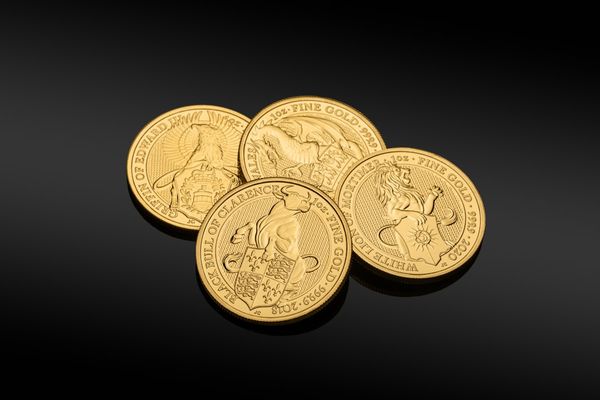
Hong Kong expands yuan and gold infrastructure with a $73.6 billion facility, challenging dollar stablecoins.
Central banks are repatriating gold, driven by political risk from foreign custody. The 2022 Russian asset freeze catalyzed this strategic shift.
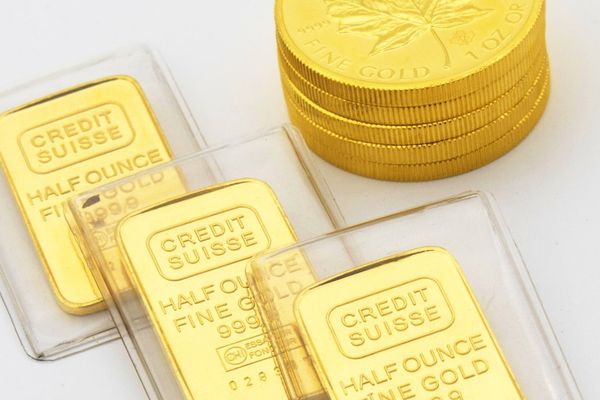
Silver futures fell 4% this week amid inflation fears and geopolitical tensions. A Fed rate hike may further pressure prices.
AI is the Fed's top inflation concern, creating a unique dynamic for gold investors as rate hikes might not curb AI-driven inflation.

Gold slides 0.5% amid Iran tensions as inflation fears drive markets, not safe-haven demand.
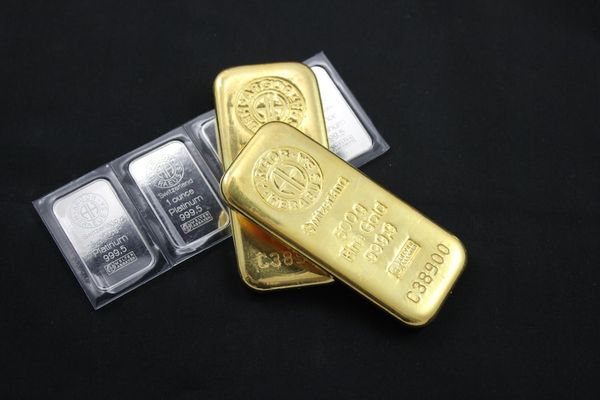
HSBC cuts 2026's average gold forecast but holds year-end target. Fiscal pressures and central bank demand remain key supports.
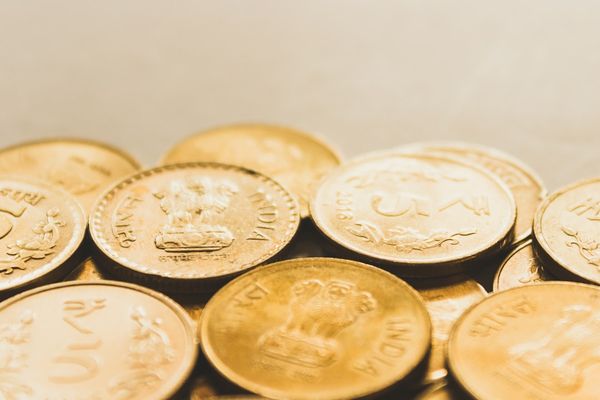
Gold investors brace for July 14 as CPI figures and Fed testimony promise pivotal market shifts.

Bank of America trims gold forecast to $4,360 due to Fed's hawkish stance but maintains long-term bullish view post-tightening cycle.
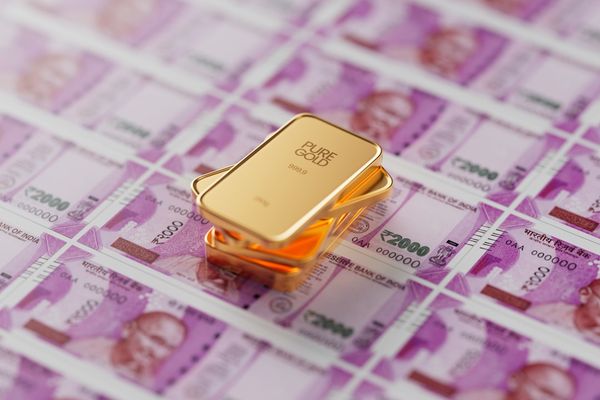
Oil surged over 6% as US-Iran tensions escalated, while gold fell $34. Inflation concerns drive real yields up, pressuring precious metals.
Profit booking causes historic declines in gold and silver, but savvy investors view these dips as accumulation opportunities.
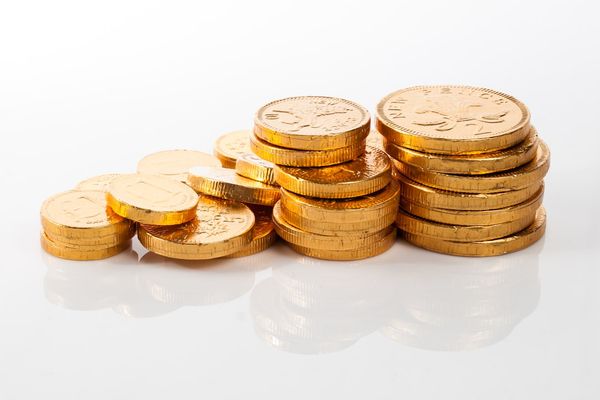
Iranian missile strike hits Qatari LNG carrier, sinking gold prices as Fed's hawkish stance maintains elevated real yields. Key economic events loom.

China’s PBoC buys 14.93 tonnes of gold amid a 16% price drop, marking the largest purchase since 2023 as it navigates geopolitical shifts.

Silver steadies at $62 amid Fed rate speculation; chances of July rate hike dip to 25.1%, bolstering precious metals. Can silver reach $100 by 2030?
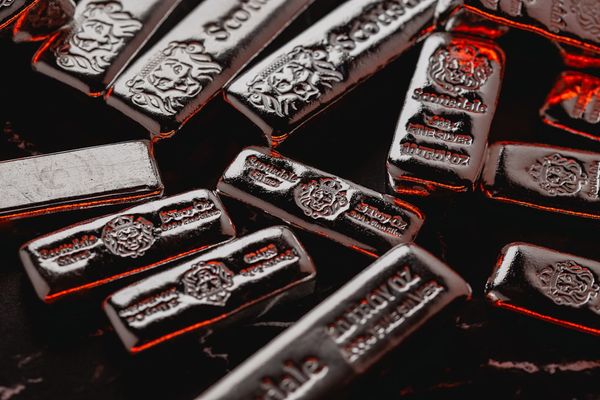
ETF cost structures clash as gold prices rise. GLDM, IAU, and SGOL offer varied vault locations and fees, impacting long-term gains.
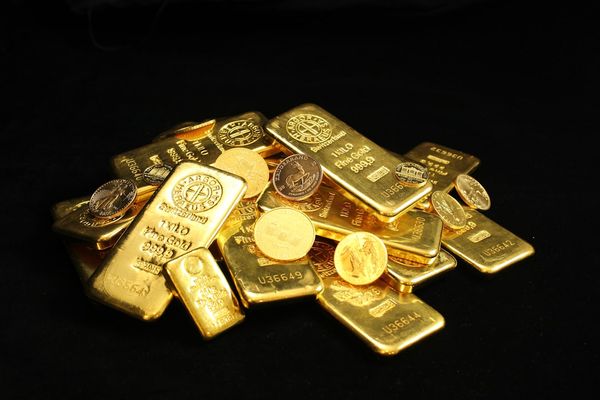
BofA foresees a stock valuation correction amid AI exuberance, with gold down 3% YTD. The 1999 echo looms.

Gold futures rise 1.5% after a disappointing jobs report, as the U.S. Dollar Index weakens. Analysts watch for Fed's next interest rate decision.
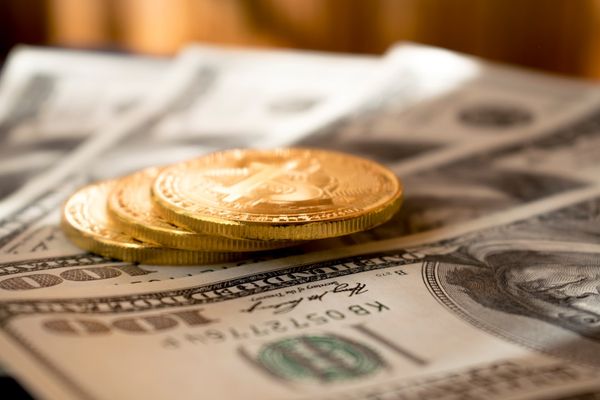
Gold hits a two-week high at $4,155. Eyes now turn to FOMC minutes as Fed Chair Warsh withholds projections, leaving the rate path uncertain.

Gold corrected from a $5,597 high to $4,166, as technical signals warned of overextension. Yet, fundamental demand remains strong.
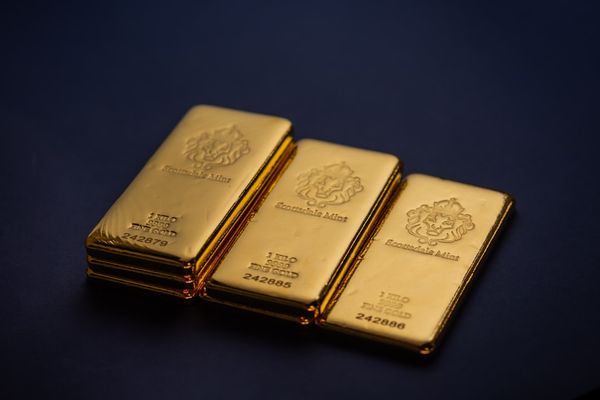
EZCORP's stock surged 150%, driven by gold prices hitting record highs. The pawn shop model thrives as a credit alternative in downturns.