
Gold-silver
Gold and Silver Prices Diverge Amid Inflation Concerns and Industrial Demand
Gold prices stagnate while silver surges, reflecting contrasting market drivers influenced by inflation and industrial demand.
John Nada•May 13
Precious metals, inflation hedges, and central bank buying(422 articles)
Gold prices stagnate while silver surges, reflecting contrasting market drivers influenced by inflation and industrial demand.

Gold's recent price correction has raised questions, but strong demand and institutional forecasts suggest a recovery towards $5,000 by year-end.
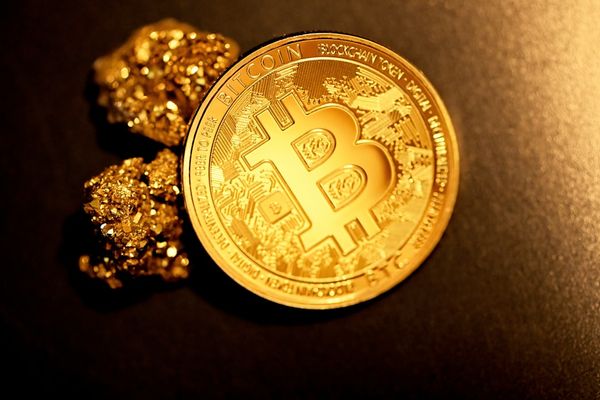
Gold prices have unexpectedly fallen as inflation hits a three-year high of 3.8%. The dynamics between inflation and monetary policy under new Fed chair Kevin Warsh are critical.
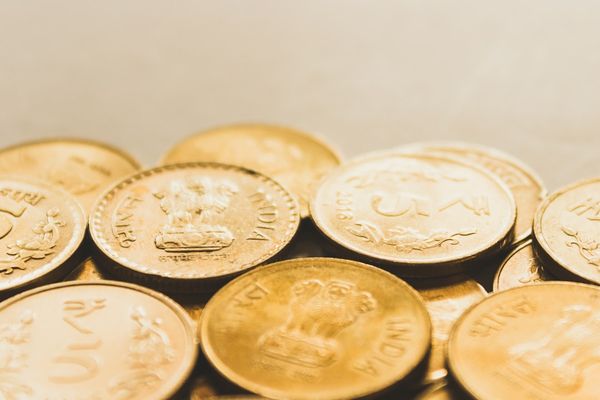
Gold prices fell 1.5% following a surprise inflation report. The market anticipates Fed rate hikes, impacting gold's short-term dynamics amid rising inflation.
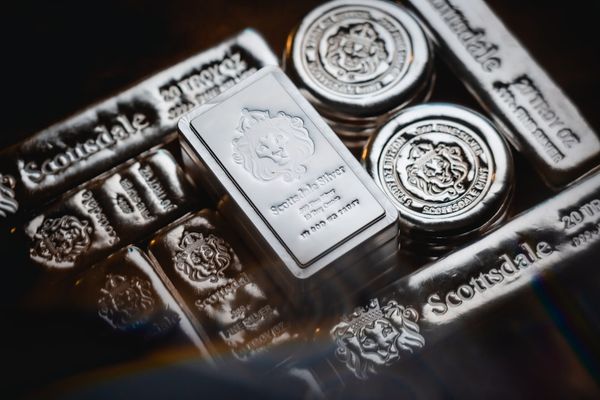
Gold dips while silver surges ahead of crucial inflation data, reflecting market caution amid geopolitical tensions.
India's recent gold buying freeze underlines significant market implications, as demand from the world's second-largest consumer could impact global prices and investor sentiment.
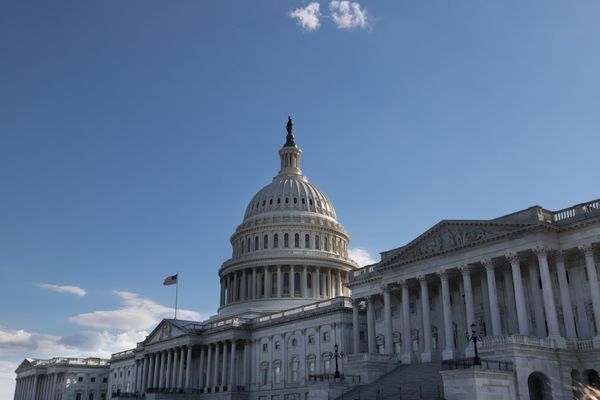
Silver's 6.15% rise ahead of the Trump-Xi summit reflects strong industrial demand expectations, contrasting with gold's modest gains.
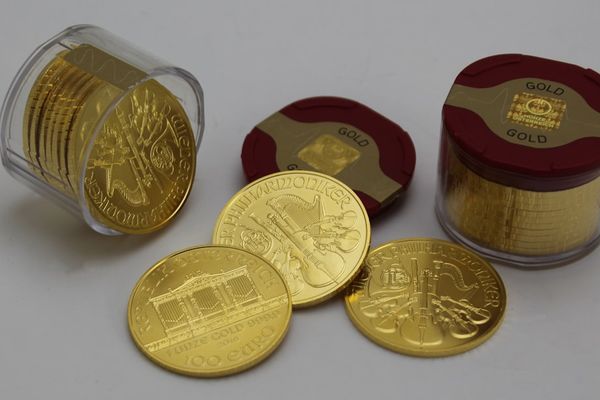
Gold and silver prices fell 0.9% as geopolitical tensions rise. Trump's rejection of Iran's peace plan fuels market volatility and inflation concerns.

Modi urges Indians to cut fuel and gold usage amid rising costs from the Iran war. This comes as India faces severe economic pressures and wider trade deficits.

Jim Cramer’s recent caution on gold contrasts sharply with bullish projections from major banks, highlighting market tension. His analysis signals that investors should remain vigilant.
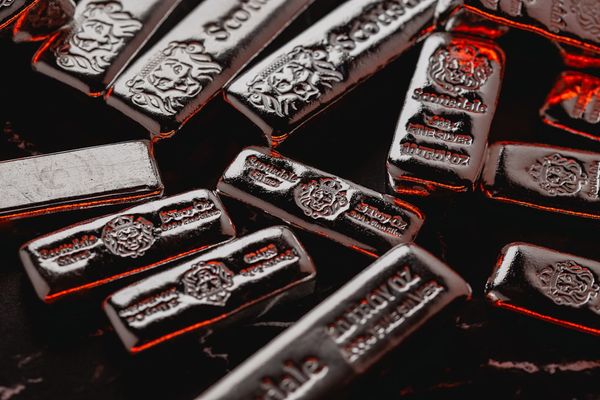
The stark differences between silver bullion and jewelry highlight the importance of understanding investment forms. In 2026's volatile market, bullion stands out as the superior choice for wealth preservation.
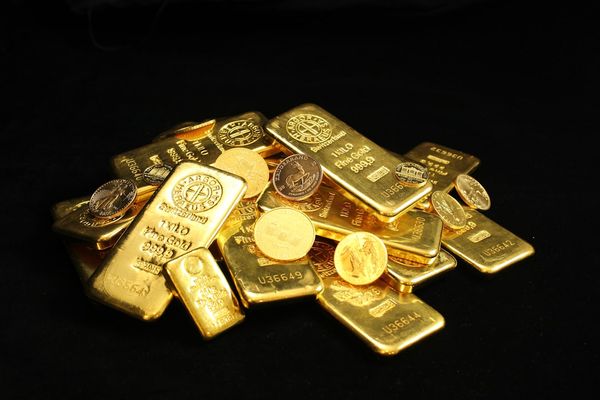
Gold and silver prices rose following a strong jobs report, highlighting investor confidence amid geopolitical tensions. This trend indicates a shift toward safe-haven assets.

Silver prices surged to $82 driven by US-Iran peace talks, impacting inflation and Fed rate expectations. The dual demand for silver highlights its investment appeal.
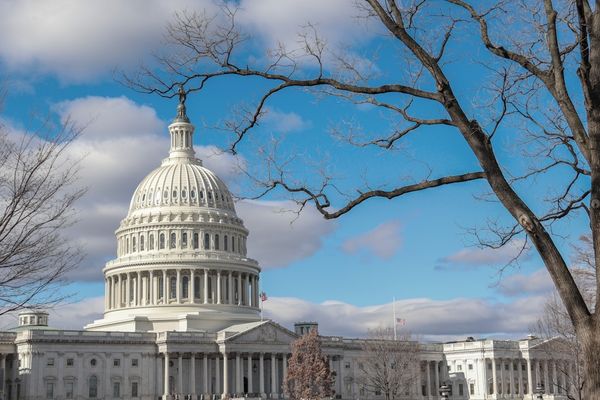
Trump's Gold Card visa program struggles with low interest and legal challenges, undermining its goal of attracting wealthy investors to the U.S.

Despite a robust jobs report, gold remains stable, reflecting market skepticism about the Fed's direction amid persistent inflation concerns.

Gold and oil are diverging sharply, reflecting different economic signals. Understanding their roles is crucial for investment strategies in uncertain times.
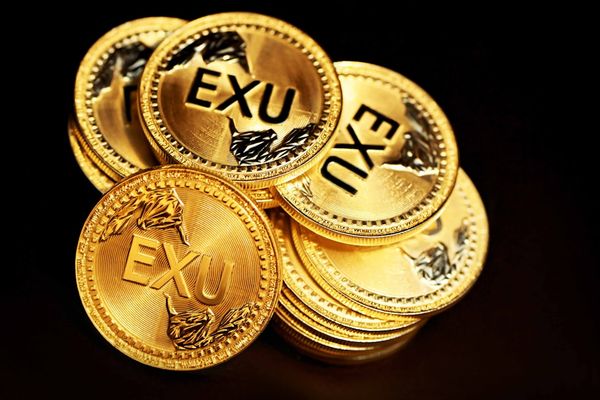
Gold hits $4,746 amid a significant drop in oil prices, signaling a structural shift as silver leads the rally. Market implications are profound as geopolitical tensions ease.
Gold prices held steady near $4,700 despite a strong ADP jobs report, reflecting the Fed's struggle with inflation and debt. The upcoming nonfarm payrolls report could further shape market expectations.

Gold and silver mining ETFs surged on May 6, 2026, driven by a precious metals rally fueled by a retreating U.S. dollar and geopolitical shifts.
Russia and Turkey's gold sales highlight economic pressures, yet most central banks are increasing holdings, indicating strong structural demand for gold.