Bitcoin Defies Market Trends Amid Ongoing Conflict and Gold's Decline
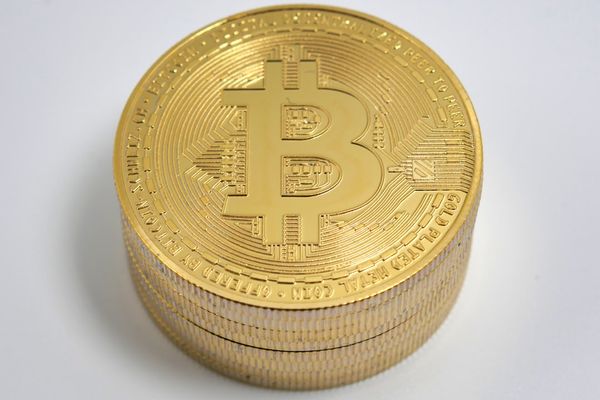
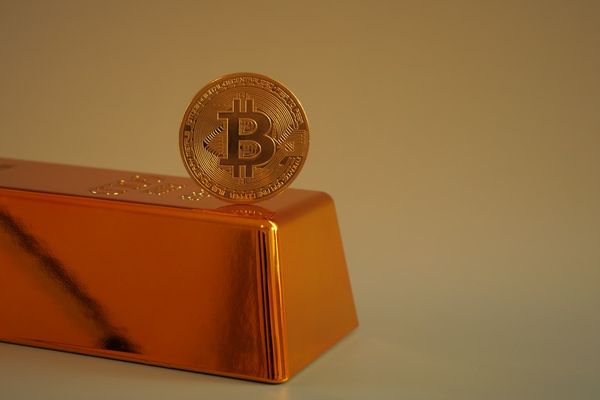
Bitcoin holds steady at $68,300 as gold faces steep declines, reflecting a shift in market behavior amid geopolitical tensions in the Middle East.
Precious metals, inflation hedges, and central bank buying(300 articles)

Bitcoin holds steady at $68,300 as gold faces steep declines, reflecting a shift in market behavior amid geopolitical tensions in the Middle East.

Gold's decline amid macro pressures contrasts with Bitcoin's consolidation phase, highlighting shifting dynamics in asset performance.

The contrasting performance of gold and silver ETFs reveals crucial insights for investors navigating market volatility. Understanding these dynamics is key to informed investment strategies.

Choosing between bank safety deposit boxes and vault storage is crucial for gold investors. Understanding the risks and benefits can impact asset security.

Robert Kiyosaki's prediction of gold reaching $35,000 raises questions about the asset's value. Are current prices driven by real macroeconomic factors or speculation?

The choice between digital gold and physical gold is pivotal for investors. Understanding the risks and benefits of each form is essential for effective wealth preservation.

Gold's nearly 10% weekly drop marks its worst rout since 2011, driven by geopolitical tensions affecting market stability.

Gold's recent 9% drop contrasts sharply with rising oil prices, driven by geopolitical tensions. This dynamic raises critical questions about market implications and inflationary pressures.

Gold and silver face significant sell-offs as inflation fears and the Iran conflict grip markets. Central banks are closely monitoring these developments.

Retail investors are flocking to gold while institutions are increasingly embracing Bitcoin, highlighting a split in market behavior amid economic uncertainty.

Gold prices fell sharply today despite rising geopolitical tensions, driven by inflation fears and escalating U.S. national debt pressures.

Bitcoin has outperformed gold as rising oil prices and hawkish Fed signals drive risk aversion. This shift reflects changing dynamics in the financial markets.

Retail gold purchases have surged as institutional selling accelerates, reflecting changing dynamics in the precious metals market and potential implications for cryptocurrencies.

Gold prices fell sharply as the Fed maintained rates amid rising inflation. This volatility reflects deeper market uncertainties that could impact future trends.

Amid economic uncertainty, Gold IRAs are becoming a popular choice for diversifying retirement savings, offering a hedge against inflation and market volatility.

Gold approaches $5,000 as inflation concerns and a critical Fed meeting unfold. Rising gas prices and shifting ratios signal growing market uncertainty.

As the Fed prepares for a critical decision, gold's muted response to geopolitical tensions raises questions about its future amid inflationary pressures.

Gold briefly fell below $5,000 amid a stronger dollar and Fed uncertainties, with implications for inflation and precious metals markets.

Central banks are quietly amassing gold at record levels, reflecting a strategic shift in financial reserves amid geopolitical tensions and economic uncertainty.

Gold investors prepare for a critical Fed meeting that could reshape bullion prices. Economic indicators suggest a complex backdrop for gold's future direction.