Understanding Silver Investment: Bullion vs Jewelry in 2026
 By John Nada·May 10, 2026·7 min read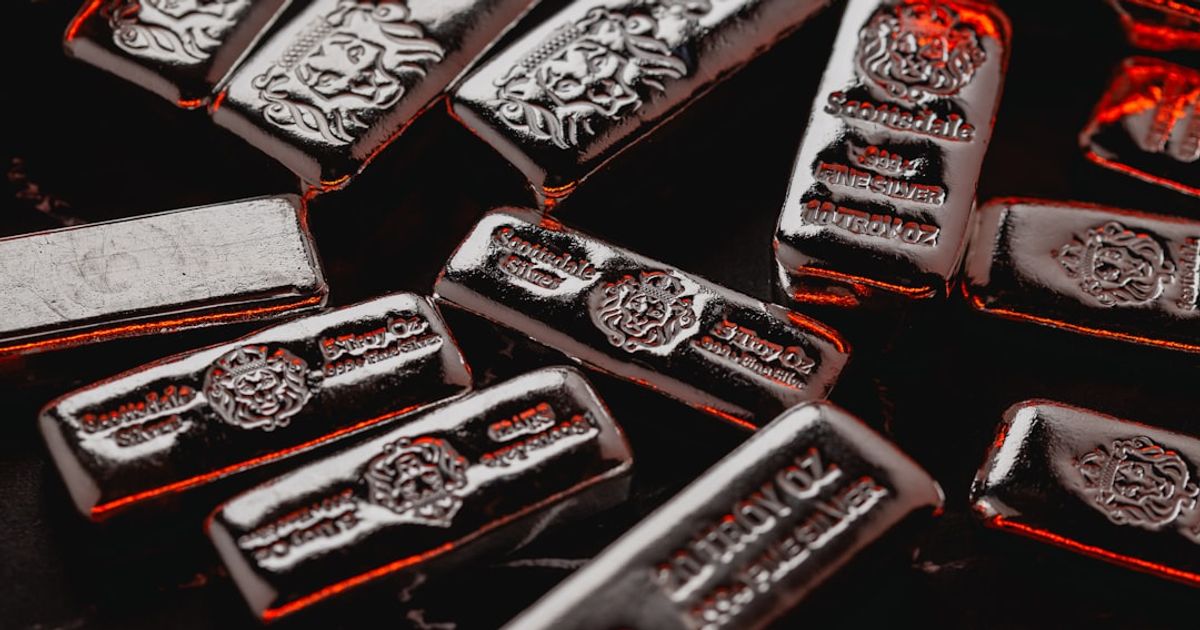
The stark differences between silver bullion and jewelry highlight the importance of understanding investment forms. In 2026's volatile market, bullion stands out as the superior choice for wealth preservation.
Silver has emerged as one of the most volatile assets in 2026, soaring to an all-time high of $121.67 on January 29 before retracting to between $73 and $82 per ounce by early May. This extreme price fluctuation raises an important question for investors: does the form of silver purchased—jewelry versus bullion—actually matter? The answer is unequivocally yes, as the economics and resale potential of these two forms diverge significantly.
Jewelry typically carries retail markups of 200-300% over its metal value, making it a poor investment choice for those looking to preserve purchasing power or build long-term wealth. When consumers buy silver jewelry, they are primarily paying for craftsmanship, design, and brand, rather than the intrinsic value of the silver itself. Moreover, when it comes time to resell, the reality is stark: silver jewelry often sells for its scrap value, which is generally less than half of what was initially paid. In contrast, silver bullion, which includes bars, coins, and rounds with a minimum purity of .999, trades closer to the spot price of silver, thus offering a more predictable and liquid investment.
The difference in market behavior is crucial. Silver bullion can be resold at a price that closely follows the spot market, with a narrow spread that tightens as demand rises. According to GoldSilver.com, a dealer will buy back recognizable bars and coins at a bid price just below spot, making it a more favorable option for investors. In contrast, a piece of jewelry, even if sterling silver, will only fetch its melt value due to the significant retail markup that disappears upon purchase. The implications are clear: for those serious about investing in silver, bullion is the smarter choice.
The current dynamics in the silver market further bolster the case for bullion. The Silver Institute forecasts a sixth consecutive annual supply deficit of 46.3 million ounces in 2026, an increase from 40.3 million ounces in 2025. This persistent shortfall, coupled with rising demand for physical bars and coins—expected to increase by 18%—creates a favorable environment for bullion investors. With above-ground stocks of silver having been drawn down by over 762 million ounces since 2021, the fundamentals for holding physical silver bullion are strong.
However, it’s important to note that investing in silver bullion is not without challenges. While it stands out as a more liquid and transparent investment, it lacks the aesthetic and sentimental value associated with jewelry. Additionally, storage and insurance costs can eat into profits. The volatility of silver prices is also a concern. For instance, the significant drop of over 35% following the January peak serves as a reminder that anyone purchasing bullion should be prepared for price fluctuations.
What is Silver Bullion, and How is It Different from Jewelry? Silver bullion is physical silver made specifically for investment purposes—bars, coins, and rounds with a purity of .999 or higher. Its value tracks the silver spot price, the live global benchmark traded on exchanges like the COMEX. When you buy a one-ounce bar from a reputable dealer, you’re paying spot plus a dealer premium—typically 5–15% above spot in normal conditions, with that premium increasing during demand spikes. Government-minted coins, such as the U.S. Silver Eagle, tend to sit at the higher end of that range. They earn that premium through guaranteed purity, legal tender status, and deep secondary market liquidity.
Conversely, silver jewelry is fundamentally different. While it does contain silver—sterling is 92.5% silver—the metal is only one line item in its retail price and rarely the largest one. By the time a necklace reaches the shelf, labor, design, brand, and retail margin have all been added on top of the metal cost. As a result, markups of 200–300% above raw silver value are standard. Essentially, what you’re buying is not just silver but rather craftsmanship and brand equity, with metal underneath.
When examining the resale value of both forms, the differences become even clearer. Silver bullion resells close to spot, with a dealer willing to buy back recognizable bars and coins at a bid price just below the spot price. This means that as the market for silver strengthens, the resale spreads tighten, making it a more predictable financial instrument for serious investors. On the other hand, jewelry is typically valued solely for its silver content when resold, with scrap buyers weighing the piece and determining its value based on its metal content alone, often at or below the spot price. For example, a $150 sterling bracelet containing roughly 30 grams at .925 purity holds approximately $72 of silver at current spot prices—less than half of what was initially paid, which does not account for the buyer’s own margin.
To put it plainly, the numbers show that jewelry is not designed to be an investment vehicle. Jewelry can be worn and enjoyed, thus providing aesthetic and emotional value, but for investment purposes, it is not a viable option for wealth preservation. The purchase economics are punishing; buyers pay steep premiums and can't recover them. Sterling’s purity is diluted by copper alloy, making it hard to price, authenticate, and sell compared to standardized silver bullion. Additionally, the market for silver jewelry is forecasted to decline over 9% in 2026, reaching its lowest level since 2020, further diminishing its investment appeal.
Serious investors choose bullion for its transparent and liquid form. Silver bullion is built for one purpose: to hold silver in a way that allows for easy buying and selling based solely on metal content. It features standardized weights, guaranteed purity, and recognizable hallmarks that any dealer can price on sight. The supply-demand fundamentals for silver in 2026 are particularly strong, as the Silver Institute’s World Silver Survey projects a sixth consecutive annual supply deficit of 46.3 million ounces. This is a 15% increase from the 40.3 million ounces shortfall in 2025. The cumulative drawdowns from above-ground stocks since 2021 have exceeded 762 million ounces, underscoring the persistent structural shortfall in the market.
Moreover, demand for physical bars and coins is expected to rise by 18% in 2026, marking the highest level since 2022. This backdrop supports the notion that buying silver bullion close to spot price is advantageous, as it allows investors to capitalize on favorable market conditions.
Yet, while silver bullion offers numerous benefits, it is not without its trade-offs. Unlike jewelry, which carries aesthetic or sentimental value, bullion is often stored in a safe and may incur storage and insurance costs. Larger bars, while carrying lower premiums per ounce, can be harder to partially liquidate. Silver prices are also notoriously volatile; for instance, the January 29, 2026 surge to $121.67 was followed by a rapid drop of over 35%, illustrating that anyone buying bullion must be prepared for significant price fluctuations.
When deciding between silver jewelry and bullion, the choice ultimately depends on individual goals. If the intent is to wear something beautiful and personal, jewelry serves that purpose well. However, for those looking to build wealth, hedge against inflation, or gain exposure to silver's supply-demand fundamentals, bullion is indisputably the more appropriate choice. The substantial retail markup on jewelry acts as a deterrent, as it does not translate into resale value.
As the silver market evolves in 2026, with strong supply-demand dynamics at play, understanding the investment implications of different forms of silver is critical. For serious investors, the key lies in acquiring silver close to its spot price, ideally in the form of .999 fine silver bullion bars or recognized government coins. This not only facilitates better pricing but also ensures that when it comes time to sell, the investor can recoup a significant portion of their initial investment. The gap between the cost of jewelry and its recoverable value starkly illustrates this point; savvy investors will take note and act accordingly. The investment case for silver in 2026 rests on structural deficits, industrial demand driven by the growth of AI infrastructure, electric vehicles, and data centers, coupled with a macro environment that continues to reward real assets. None of this case is captured by a sterling silver pendant.