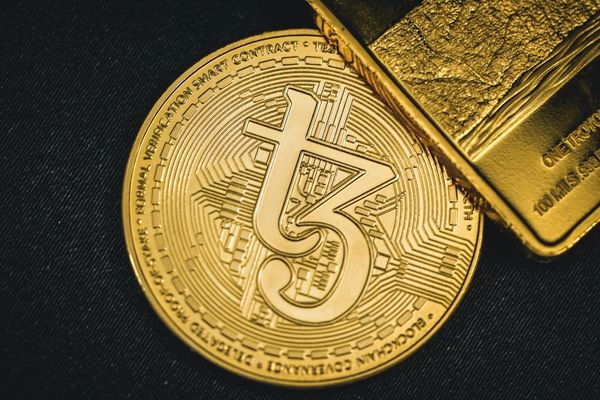
Gold-silver
Gold Climbs 1.5% Amid Stagflation Concerns — Real Yields Squeeze
Gold rose 1.5% as stagflation pressures mount — real yields dip. Fed's Warsh faces a tough debut.
John Nada•May 29
Precious metals, inflation hedges, and central bank buying(422 articles)
Gold rose 1.5% as stagflation pressures mount — real yields dip. Fed's Warsh faces a tough debut.

Bitcoin's recent price drop to $72,000 has pushed its market cap below $1.5 trillion, ranking it 13th among global assets.
Central banks add 244 tonnes of gold in Q1 2026, with Poland, China, and Uzbekistan leading the charge. A strategic shift amid geopolitical tensions.

Investors pull back from Bitcoin and gold as inflation fears cool and geopolitical tensions ease, says JPMorgan.

Silver plunges 3.3% due to structural weaknesses, outpacing gold's 1.6% drop, driven by industrial demand ties and lack of central bank support.
Investor flows pivot sharply as gold ETFs attract $2.34B, ending Bitcoin's uptrend against gold. Momentum shifts amid rate changes.

Gold holds firm at $4,500 amid Fed rate signals and consumer angst, signaling structural resilience.
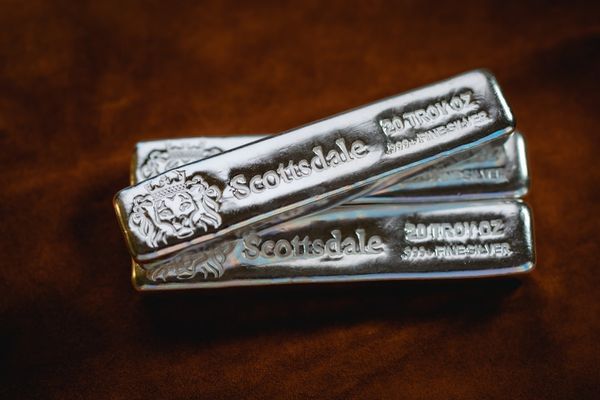
Gold dips amid U.S.-Iran tensions and oil hikes. Yet, central banks buy 244 tonnes, offering a long-term opportunity amid short-term noise.
Gold gains $57 to $4,565.99 as dollar weakens amid US-Iran talks. Inflation and currency trends define gold's volatile landscape.
Silver jumped 3% on May 25, 2026, on Iran deal optimism, outpacing gold's 1.3% rise. The gold/silver ratio fell to 58.7:1.

Silver's industrial need surged to 680M troy ounces in 2024—highlighting a 195M ounce supply deficit. Solar and EVs drive demand.

Gold fell 1.1% as Fed's Waller hints at a rate hike amid the Iran war's inflation concerns. Consumer sentiment hits record lows.
Perth Mint's $40B gold export and rising bond yields mark a shift in gold's institutional role amid global economic pressures.

SPDR Gold MiniShares Trust (GLDM) charges just 0.10% annually, offering a cost-effective gold ETF option amid pricier alternatives.
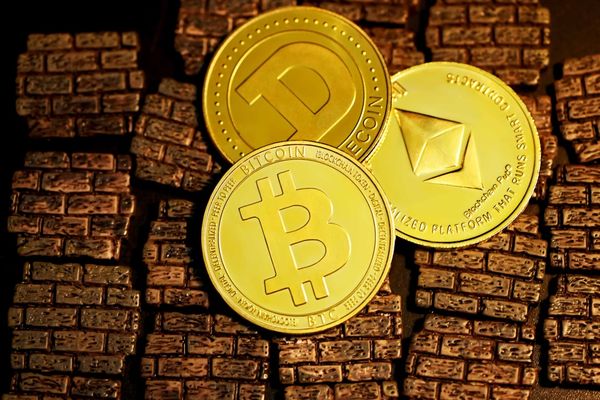
Gold fell 0.51% on Iran peace news but remains structurally strong. Fiscal dynamics, not geopolitics, are the primary driver.
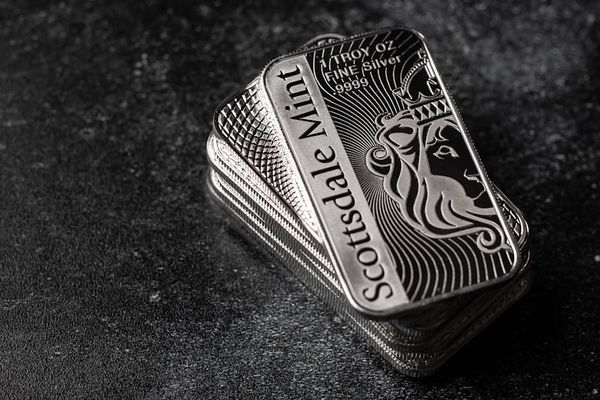
China buys gold relentlessly while Russia sells to fund war. Gold's center of power shifts eastward.
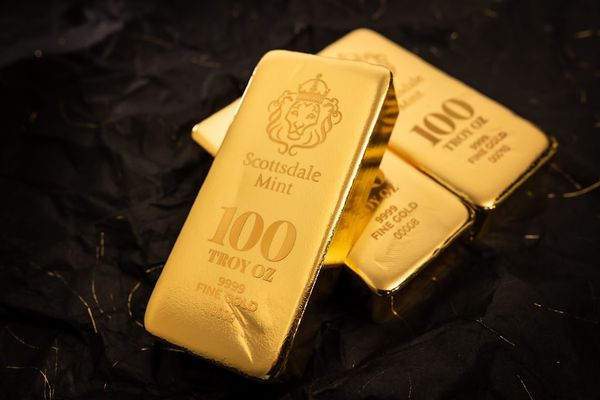
Central banks are buying gold at record levels. A shift in monetary strategy signals gold's quiet return to prominence, driven by global tensions.

Silver falls 12% in a week, gold 3%. Industrial demand volatility explains the gap.

Gold's rise isn't just a market move but a call on systemic fiscal and monetary pressures, according to BofA.

Gold defies the Fed's hawkish signals, holding firm at $4,546, as fiscal dominance constrains rate hikes amid $39 trillion debt.