Gold and Silver Prices Shift Ahead of Key Inflation Data
 By John Nada·May 12, 2026·6 min read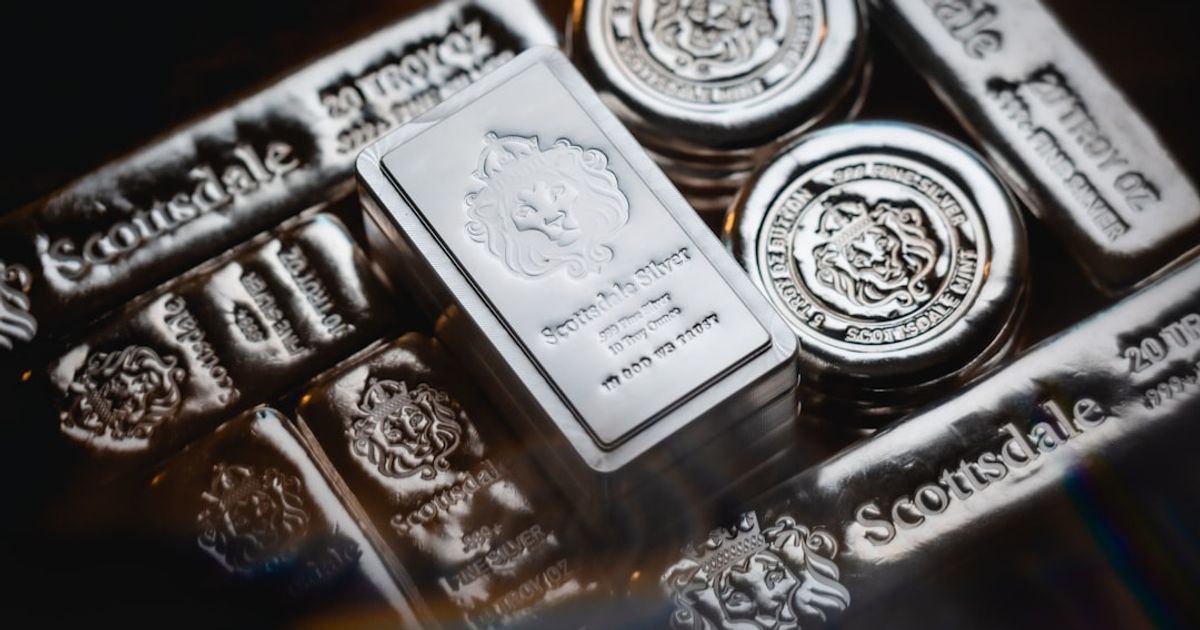
Gold dips while silver surges ahead of crucial inflation data, reflecting market caution amid geopolitical tensions.
Gold futures opened at $4,745.30 per troy ounce on Tuesday, reflecting a 0.4% increase from Monday’s close of $4,728.70. However, the early trading session saw gold dip to $4,696.70 as of 6:53 a.m. ET, indicating a momentary retreat despite the earlier gains. This volatility in gold prices is not isolated but part of a larger pattern influenced by various factors, including geopolitical tensions and economic indicators.
Silver, on the other hand, witnessed a remarkable surge, opening at $86.74 per ounce, a staggering 8.2% higher than Monday’s opening price of $80.15. By the same morning hour, silver's price eased to $84.50, although this still marks the highest opening price for silver since March 11. The fluctuations in silver prices highlight the metal's increasing significance, especially in industrial applications, as its demand rises. The current price adjustments reflect a complex interplay of market dynamics that investors are closely monitoring.
This morning's trading activity is particularly notable given President Trump's high-stakes trip to China. Many analysts are viewing this meeting as pivotal, as productive discussions could lead to enhanced trade relations and manufacturing improvements between the two countries. Such developments would likely bolster the demand for silver in industrial sectors, thereby impacting its price trajectory positively. The market sentiment surrounding this geopolitical event is palpable, showcasing how closely intertwined politics and commodity prices are in today's economic landscape.
As the market anticipates the April Consumer Price Index (CPI) report, expectations are high regarding the potential inflationary impacts stemming from ongoing geopolitical conflicts, particularly the situation in Iran. The CPI data is expected to illuminate how these tensions have affected consumer prices, with investors keenly aware that such information could reignite discussions surrounding interest rate hikes by the Federal Reserve. A significant uptick in inflation could compel the Fed to maintain or increase rates, thereby impacting both gold and silver prices as they are sensitive to interest rate shifts.
Gold's recent slip in price, juxtaposed with the looming inflation data, underscores a prevailing investor caution. The geopolitical landscape's instability, especially concerning the Iranian conflict, has led market participants to reevaluate their positions. The notion that the ceasefire in Iran is on “massive life support” adds to this uncertainty, creating a context where inflation could become more pronounced, further complicating the outlook for gold prices in the forthcoming days and weeks.
This environment of heightened caution is reflected in the broader market sentiments. Gold, traditionally viewed as a safe haven during times of economic distress, is now facing significant challenges, particularly if inflation remains elevated. Market analysts suggest that the ongoing fluctuations in gold prices illustrate the delicate balance investors must navigate between short-term volatility and long-term economic stability. Many investors are advised to exercise prudence and closely assess their positions, given the unpredictable nature of commodity prices influenced by macroeconomic and political developments.
In contrast, silver's impressive one-week gain of 19.4% and an astounding annual rise of 166.2% further emphasize its strong performance compared to gold. This divergence in performance may signal shifting investor sentiment, particularly as silver's industrial demand continues to grow amid potential improvements in trade relations between the U.S. and China. The market is closely observing how these factors will play out in the inflation data and the subsequent actions by the Federal Reserve, which could further influence both metals' price dynamics.
Banks Set Stage—Big Earnings and Inflation Data Loom
Q2 earnings kickoff sees banks and tech giants under the spotlight.
The latest data indicates that while gold's price has experienced a one-year gain of 43.8% and 4.3% over the past week, it is still navigating through a landscape fraught with uncertainty. The one-year gain was significantly higher earlier in the year, peaking at 95.6% on January 29. The precious metal's trajectory, therefore, needs to be viewed in a broader context, considering the historical fluctuations and the current macroeconomic climate.
Silver's performance, particularly its recent spikes, is indicative of its growing status in the investment community. The metal's industrial applications, coupled with its perceived value as a store of wealth, make it a compelling asset for both individual and institutional investors. As markets await the critical inflation report, the implications for precious metals and broader financial markets will become increasingly apparent.
Investors in gold should remain cognizant of the inherent risks associated with their investments. Gold, like any other asset, carries the potential for loss. Price speculation, opportunity costs, and the possibility of fraud are all factors that can impact the profitability of gold investments. Understanding these risks is crucial for managing exposure effectively. Darrell Fletcher, managing director at Bannockburn Capital Markets, emphasizes the importance of recognizing the price risks associated with purchasing gold near record highs, stating that “buying high to hope for short-term higher is a tough strategy.”
Despite the high prices currently observed, there are positive dynamics at play for gold. Fletcher notes that the metal is recovering from decades of low valuations and is increasingly seen as a diversification asset by both central banks and individual investors. The right expectations, a long investment horizon, and appropriate asset allocation can help mitigate pricing risk. Experts like Alex Tsepaev, chief strategy officer at B2PRIME Group, argue that gold should primarily function as a stabilizer within a diversified portfolio rather than a driver of excessive returns.
Speculative risks also abound in the gold market. Thomas Winmill, portfolio manager at Midas Funds, encourages investors to view positions in gold bullion, coins, and ETFs as speculative endeavors. The unpredictable nature of commodity prices, driven by macroeconomic, political, industrial, and financial factors, necessitates a cautious approach. Investors should keep these considerations in mind when making trading decisions to avoid overexposure and unrealistic expectations.
As the market digests the impending inflation report, the evolving economic landscape will require investors to stay vigilant. This vigilance is not solely about monitoring prices but also about understanding the broader implications of geopolitical events, inflation expectations, and their potential impact on both precious metals and the overall financial system. The movements in gold and silver prices today exemplify the intricate interplay between these elements, necessitating a nuanced understanding of market dynamics for both seasoned and new investors alike.
Ultimately, the current environment serves as a reminder of the importance of staying informed and adaptable. As the landscape continues to shift, the interplay between gold and silver prices will remain a focal point for investors navigating the complexities of commodity markets in the face of ongoing geopolitical and economic challenges.