
Gold-silver
BEA's Exclusion of Silver from GDP Signals Major Market Shift
The BEA's removal of silver from GDP data indicates a significant shift, recognizing silver as a monetary asset rather than just an industrial metal.
John Nada•May 1
Precious metals, inflation hedges, and central bank buying(422 articles)
The BEA's removal of silver from GDP data indicates a significant shift, recognizing silver as a monetary asset rather than just an industrial metal.
Kevin Warsh's preference for a trimmed mean inflation measure could reshape Fed policy and support gold prices, signaling a shift in monetary credibility.

U.S. GDP growth missed forecasts while inflation rose, signaling stagflation. This environment historically favors gold and silver as safe-haven assets.

Gold and silver prices decline as geopolitical tensions and Fed meeting loom. Investor sentiment shifts amid inflation concerns and oil supply issues.

Agnico Eagle Mines' $3.8 billion investment in Finland underscores strong institutional confidence in gold's long-term value despite recent price corrections.

JPMorgan projects gold could reach $6,300 this year, but the SPDR Gold Shares ETF has recently declined. This highlights the complex interplay of inflation and interest rates.

Silver is undervalued at $73 per ounce, significantly below its historical benchmarks amid ongoing supply deficits. Key market dynamics suggest potential for price recovery.
Gold and silver prices have declined significantly as inflation concerns rise ahead of a Federal Reserve meeting. This shift impacts market dynamics for these precious metals.
Newmont Corporation's strong Q1 2026 results highlight its ability to leverage record gold prices for shareholder value. With significant free cash flow and strategic capital allocation, it stands as a leader in the gold mining sector.
Gold and silver price dips often signal corrections rather than trend reversals. Understanding market signals is essential for informed investment decisions.
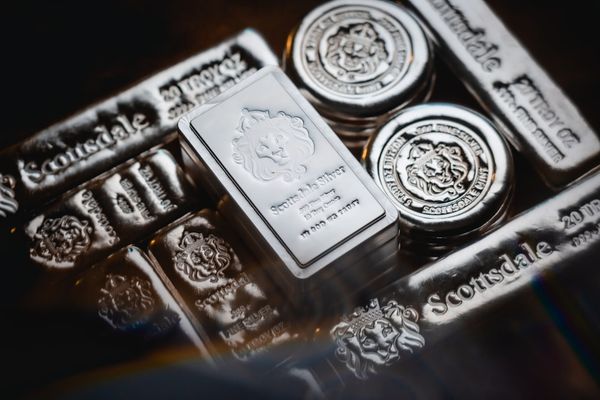
Gold prices have fallen sharply due to rising oil prices and a hawkish shift from the Bank of Japan, raising inflation concerns linked to the Iran conflict.
Gold's mere 7% share of global wealth signals a potential shift in investor behavior, especially amid economic instability. This imbalance could lead to significant price adjustments.

Powell's final FOMC meeting could significantly impact gold and silver prices, hinging on his remarks about rate cuts and geopolitical conditions.

Gold's 16% pullback from its January 2026 peak presents a historical buying opportunity. Structural forces driving gold remain intact, signaling favorable conditions for long-term investors.
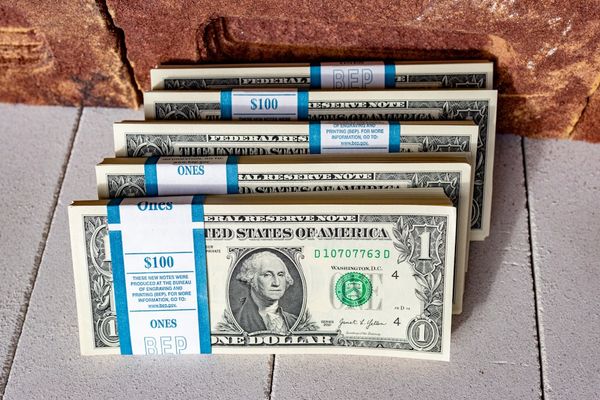
Fiat currencies, backed only by trust, face inevitable failure as history shows. Gold and silver emerge as resilient alternatives amidst inflation and fiscal irresponsibility.

Gold is set for major movements as stagflation signals emerge from the U.S. economy, with key GDP data looming on the horizon.
CBDCs could reshape monetary control, affecting how gold investments are accessed and managed. Understanding this shift is crucial for investors.
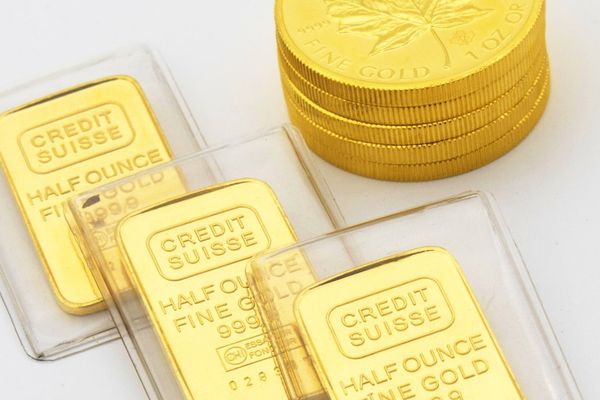
The DOJ's decision to drop its probe into Powell boosts Warsh's confirmation odds and gold prices, reflecting deeper structural challenges ahead for the Fed.
Surging oil prices and rising mining costs are creating a strong support for gold prices amid inflation pressures and economic uncertainties.

Gold prices are pressured ahead of the Fed meeting as jobless claims rise and inflation expectations linger. The market awaits Powell's insights on rate cuts amidst fiscal constraints.