DOJ Ends Probe, Boosts Warsh's Fed Chair Odds and Gold Prices
 By John Nada·Apr 25, 2026·4 min read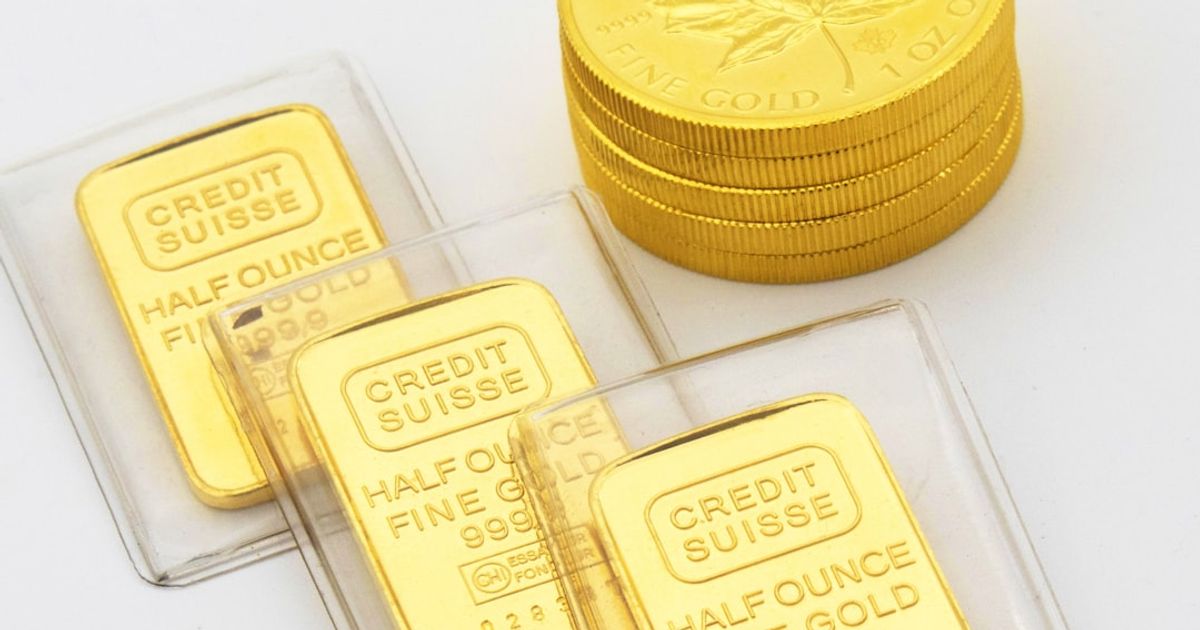
The DOJ's decision to drop its probe into Powell boosts Warsh's confirmation odds and gold prices, reflecting deeper structural challenges ahead for the Fed.
The Department of Justice's abrupt decision to drop its criminal investigation into Federal Reserve Chair Jerome Powell sent shockwaves through financial markets, significantly increasing Kevin Warsh's odds of confirmation as the next Fed chair from 27% to 85% in a single day. Surprisingly, gold prices rose instead of falling, indicating that markets had been pricing in a Fed independence discount rather than a straightforward path for interest rates.
Warsh's expected confirmation does not resolve the underlying structural issues affecting gold. He acknowledged during his Senate testimony that the Fed's policy errors from 2021 to 2022 resulted in 25–35% cumulative inflation. Given the existing $39 trillion debt overhang, restoring credibility within the Federal Reserve is a daunting challenge, limiting how far real yields can sustainably rise.
As the April 29 Federal Open Market Committee (FOMC) meeting approaches, attention pivots to Powell's exit language, which could signal future interest rate cuts. Current projections suggest a 99.5% probability that the Fed will hold rates steady at 3.50–3.75%. The market is particularly interested in whether Powell will indicate any willingness to cut rates later in 2026, a factor that could set the ceiling or floor for gold prices as Warsh takes over.
The DOJ's investigation, initiated in January 2026, initially focused on Powell's congressional testimony regarding the Fed's $2.5 billion headquarters renovation. However, it posed a more significant question: could the executive branch pressure the Fed into making monetary policy decisions? The quashing of the DOJ's subpoenas by U.S. District Judge James Boasberg clarified that the investigation was seen as an attempt to undermine Fed independence, creating uncertainty that had been weighing on gold prices.
With the DOJ probe now concluded, the dollar experienced a brief firming, yet gold's rise reflects a removal of institutional risk surrounding the Fed's authority to set interest rates independently. This development supports the dollar in the short term while highlighting the ongoing fiscal challenges that have been propelling gold's structural demand since 2022.
$197 Million Inflow Fails to Solidify Bitcoin ETF Rebound
Bitcoin prices rose past $64,000 amid $197 million in ETF inflows.
Warsh, known for his inflation hawk stance, will need to restore the Fed's credibility to navigate the complex economic landscape. The Congressional Budget Office projects U.S. federal debt will reach 156% of GDP by 2055, and with more than $1 trillion spent annually on debt interest, the Fed's options are limited. Aggressive tightening could destabilize Treasury markets, while aggressive easing risks reigniting inflation, both scenarios likely benefiting gold in the long run.
If Warsh succeeds in restoring credibility and real yields remain elevated, gold could face headwinds over the next 12–18 months. Historical analysis from Goldman Sachs suggests that every 100 basis points increase in real yields compresses gold prices by approximately $200 to $250 per ounce. Yet, the structural issues, including persistent deficits and an eroding dollar's status as the reserve currency, continue to bolster gold's appeal as a hedge.
Investors should keenly watch the upcoming FOMC meeting for Powell's final remarks, which could either compress real yields or reinforce the existing ceiling on gold prices. Historical precedents indicate that leadership transitions at the Fed may create short-term volatility but do not fundamentally alter gold’s long-term drivers. A constructive exit statement from Powell could provide a short-term boost to gold prices, while a hawkish tone may solidify the current resistance levels.
Additionally, geopolitical developments, such as potential breakthroughs in U.S.-Iran negotiations, are adding another layer of complexity to the market. A resolution in the Strait of Hormuz could alleviate inflationary pressures and set the stage for earlier discussions about interest rate cuts, enhancing the environment for gold.
Gold’s recent price action amid Warsh's confirmation news and diplomatic progress with Iran underscores the tug-of-war between geopolitical stability and structural monetary challenges. As the Fed prepares for a leadership change, the question remains whether any incoming chair can effectively rebuild the institutional trust needed to keep confidence in fiat currency intact, which will ultimately shape gold's trajectory in the coming months.