Silver's Dramatic Drop: Understanding the Market Dynamics
 By John Nada·May 14, 2026·6 min read
Silver's recent plunge highlights its dual demand drivers and vulnerability to rate fears. Despite short-term volatility, the long-term case for silver remains strong.
On May 14, 2026, silver plummeted nearly ten times harder than gold, a stark demonstration of its dual demand drivers—industrial and monetary. This sharp decline came as April wholesale inflation surged to 6%, the highest since December 2022, effectively eliminating any prospects for Federal Reserve rate cuts this year. The industrial premium embedded in silver's price was significantly compressed, illustrating how vulnerable this metal is to economic shifts.
Silver reached $88.48 in the morning but fell to $84.55 by early afternoon, while gold barely moved, declining less than a third of one percent. The differing responses highlight silver's unique position as both a monetary asset and an industrial commodity, with about 55% of its demand stemming from industrial uses, including solar panels and electric vehicles. In times of rate fears, the industrial side's vulnerability becomes evident, as higher rates typically slow factory output and strengthen the dollar, making silver more expensive for international buyers.
The catalyst for silver's dramatic drop was a trio of economic reports that effectively ruled out any chance of Fed rate cuts for 2026. The Consumer Price Index indicated inflation at 3.8%, the highest since May 2023, while the Producer Price Index showed a startling 6% year-over-year increase. Additionally, stable retail sales figures indicated a resilient economy, further dampening hopes for rate cuts. As expectations shifted, traders began factoring in potential rate hikes by year-end, intensifying pressure on silver prices.
Energy prices played a crucial role in this inflation spike, with gasoline prices surging 15.6% in April, contributing significantly to the overall increase in goods prices. This inflationary environment has forced businesses to pass rising costs onto consumers, creating a feedback loop that could sustain higher inflation levels. As a result, the U.S. Dollar Index climbed to its highest point in two weeks, further impacting silver's industrial premium.
Despite the price drop, the underlying structural case for owning silver remains robust. The same inflationary pressures that hurt the industrial side of silver simultaneously bolster its appeal as a monetary asset. A 6% annual wholesale inflation print signals a substantial erosion of the dollar's purchasing power, reinforcing the rationale for investing in physical metals. In this context, silver's dual nature as both an industrial metal and a store of value becomes even more critical.
Looking to the future, the recent confirmation of Kevin Warsh as Fed chair adds another layer of complexity. His tenure begins amid significant economic challenges, including high inflation and a historically tight job market, which complicate the Fed's policy options. As Warsh navigates these turbulent waters, the potential for aggressive rate cuts seems unlikely, which can sustain interest in precious metals as protective assets.
The gold-to-silver ratio, which indicates how many ounces of silver are needed to purchase an ounce of gold, reflects shifting market dynamics. It fell from above 60 to below 55 earlier in the spring but has since risen again, indicating the volatility that characterizes silver. This fluctuation underscores that while silver may experience sharper price movements, its long-term structural fundamentals—such as the persistent supply deficit—remain intact.
The Silver Institute's World Silver Survey 2026 projects a supply gap of 46.3 million ounces, marking the sixth consecutive year that global consumption exceeds mining output. This trend suggests a tightening market for silver over time, even if short-term price movements are influenced by macroeconomic factors.
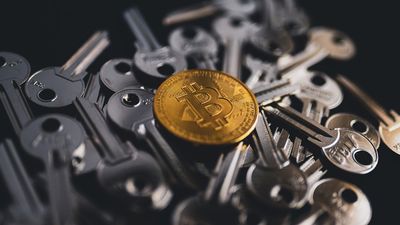
Empery Digital Sells 1,400 BTC — Funds AI Data Center, Debt Paydown
Empery Digital sold 1,400 BTC for $87.
As silver's price dynamics play out, it's essential to consider the broader market context. The recent inflation data did not simply create a momentary shock; it reflects a longer-term trend where inflationary pressures are becoming entrenched in the economy. The fact that the Consumer Price Index rose to 3.8% in April indicates that inflation is not just a fleeting concern but rather a persistent issue that could influence market sentiment for the foreseeable future.
Moreover, the Producer Price Index's year-over-year increase of 6% signifies that businesses are facing increased costs at the production level, which are often passed on to consumers. This scenario contributes to the inflationary cycle, as higher consumer prices can lead to reduced purchasing power and altered spending habits, impacting demand across various sectors, including those reliant on silver.
The implications of these inflationary pressures extend beyond immediate price reactions. As the economic landscape shifts, the value proposition of silver as a hedge against inflation becomes clearer. Investors looking for stability amidst uncertainty may increasingly turn to precious metals, which are perceived as stores of value. Therefore, while silver may be subjected to volatility in the short term, its long-term potential remains promising, supported by structural demand and supply dynamics.
In addition, the geopolitical landscape and energy markets are crucial elements that can further affect silver prices. The International Energy Agency's report on the closure of the Hormuz Strait highlights a significant oil supply shock, with flows plummeting from approximately 20 million barrels a day to about 3.8 million. Such disruptions can lead to increased energy prices, further exacerbating inflation and impacting economic growth. As businesses grapple with rising costs, the implications for industrial demand for silver—particularly in sectors like renewable energy—could be profound.
As traders and investors adjust their outlook based on these developments, it is critical to monitor the evolving relationship between inflation, interest rates, and the broader economic environment. The Fed's policy decisions under Kevin Warsh will play a pivotal role in shaping market dynamics. A cautious approach to interest rates could bolster interest in silver as a hedge, while aggressive tightening could introduce further volatility.
Understanding the drivers behind the gold-to-silver ratio also provides valuable insights. The ratio's fluctuations reflect not just investor sentiment but also the underlying economic conditions. As silver's price adjusts to changing dynamics, the relationship between gold and silver will continue to evolve, revealing insights into market psychology and investment behavior.
While silver's price may fall harder than gold during periods of heightened rate fears, the underlying thesis for its value remains unchanged. The industrial and monetary demands for silver continue to coexist, providing a compelling case for its role in a diversified investment strategy. As markets digest recent economic data and policy shifts, silver will likely remain a critical asset for those looking to hedge against inflation and economic uncertainty.