Gold Approaches $4,700 Amidst Unprecedented Market Turmoil
 By John Nada·May 14, 2026·6 min read
Gold approaches $4,700 amid geopolitical tensions and economic instability, reflecting systemic risks impacting the financial landscape.
Gold is nearing all-time highs, trading at approximately $4,696.69 as several institutional systems face simultaneous stress. This surge is influenced by a politically embattled Federal Reserve, rising mortgage rates, and significant economic instability in India, all of which are interconnected narratives impacting the precious metals market.
The Federal Reserve, now led by newly confirmed chair Kevin Warsh, is under political pressure while grappling with high inflation rates, reaching a year-on-year increase of 3.8% as of April. Warsh's appointment comes at a time when the market is shifting expectations, with traders now pricing in a potential rate hike rather than a cut in the near future. This uncertainty surrounding monetary policy is crucial, as it plays a pivotal role in gold's appeal as a hedge against dollar volatility.
Warsh's confirmation was marked by a narrow Senate vote of 54-45, the closest in modern history, indicating the contentious atmosphere surrounding the Federal Reserve. His calls for "regime change" and a smaller balance sheet highlight the challenges he faces. The combination of political scrutiny and inflation above 3.5% creates an environment where gold's independence from the dollar system becomes increasingly significant. The stakes are high, as the Fed grapples with managing inflation and sustaining economic growth, leading many investors to turn to gold as a more stable asset.
Simultaneously, the ongoing geopolitical tensions, particularly between the US and Iran, have exacerbated market conditions. The closure of the Strait of Hormuz due to military conflicts has pushed oil prices up, contributing to inflationary pressures that further complicate the Fed's policy decisions. With the ceasefire between the US and Iran remaining fragile, both sides have rejected each other's peace proposals, leaving the market in a state of uncertainty. The continuous military conflicts not only strain oil supplies but also ripple through the economy, affecting everything from energy prices to mortgage rates. As a result, mortgage rates have hit a six-month high, now averaging around 6.57%, increasing the cost of borrowing, which adds to housing affordability challenges.
The mortgage market is feeling the pinch from both rising inflation and geopolitical tensions. The 30-year fixed mortgage rate, hitting 6.57% on May 13, represents a 15 basis point rise from just the previous week, marking the highest level since March 2026 when tensions in the Middle East intensified. The chain reaction of rising oil prices due to conflict has pushed inflation higher, which in turn has forced the Federal Reserve to consider holding rates steady or even hiking them. The result is a significant squeeze on housing affordability, as inventory remains below pre-pandemic levels, and buying power has diminished. This creates a dilemma for potential homebuyers facing rising costs in an already strained market.
India’s recent decision to hike gold import duties from 6% to 15% showcases how currency stress can drive physical demand underground. The rupee's decline has widened trade deficits, leading to significant fluctuations in local gold prices. This reflects a notable shift in demand dynamics as investors seek alternatives to traditional market channels amidst rising costs, with discounts on gold in India reportedly reaching record levels. On May 13, these discounts widened dramatically from $17 per ounce to an astonishing $207 per ounce, illustrating the sudden shift in market conditions.
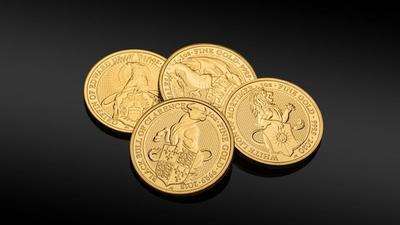
Hong Kong Expands Gold and Yuan Network — Aims to Outflank Dollar Stablecoins
Hong Kong expands yuan and gold infrastructure with a $73.
The immediate effect of India's import duty hike has been severe, as investors rushed to exit the market, often at steep losses. Reports indicate that dealers are warning of grey-market smuggling margins potentially hitting 18%, a clear indication that demand for gold remains. However, due to the increased duties, this demand has shifted underground, as investors look for ways to circumvent the higher costs imposed by the government. This situation is a typical response in markets under currency stress, where governments often restrict access to gold as a remedy before addressing underlying economic issues.
Adding to this complex landscape, the World Bank forecasts a 42% surge in precious metals for 2026, positioning them as the top-performing commodity category. This projection underscores the increasing global demand for gold and silver as safe-haven assets amid market instability. The World Bank's April 2026 Commodity Markets Outlook highlights that the structural forces behind these gains are durable and likely to persist, driven by ongoing geopolitical tensions and inflationary pressures. With the Strait of Hormuz disruption triggering the largest oil supply shock on record, commodity prices have surged beyond earlier projections, further solidifying gold's status as a protective asset in uncertain times.
As these five crises unfold—political instability surrounding the Fed, rising mortgage rates, currency devaluation in India, prolonged military conflicts, and bullish forecasts for precious metals—they collectively suggest that gold is not merely experiencing a price rally but is consolidating on a floor of unresolved risks. Investors are increasingly recognizing that gold's independence from the dollar system is critical in such an uncertain economic climate. The intertwined nature of these events indicates that the precious metals market is under significant strain, reinforcing the idea that gold's current price trajectory is indicative of broader systemic issues.
The market is witnessing a stress test of institutional credibility and economic stability, suggesting that unresolved risks could lead to further movements in gold prices in the near future. With five critical factors affecting the market simultaneously, the situation is ripe for volatility. Gold's price is not merely a reflection of its value as a commodity but also a barometer of global economic health and stability.
Investors looking to navigate this tumultuous environment are increasingly turning to gold as a safe haven. The combination of geopolitical tensions, inflation, and currency instability underscores the long-term relevance of precious metals in the financial system. As geopolitical tensions escalate and inflation remains stubbornly high, gold's role as a stabilizing asset becomes more apparent.
In a world where market dynamics are heavily influenced by intertwined crises, the continued rise in gold prices is a signal of deeper systemic risks. The current economic landscape is painting a picture of heightened volatility and uncertainty, making gold a focal point for investors seeking stability. As these pressures persist, the outlook for gold remains bullish, with prospects for further gains as the systemic challenges continue to unfold.