
Gold-silver
Gold's Rising Demand: Choosing the Best Investment in 2026
With gold prices soaring, investors must carefully choose the best investment format for 2026, balancing costs, liquidity, and tax advantages.
John Nada•Apr 24
Precious metals, inflation hedges, and central bank buying(422 articles)
With gold prices soaring, investors must carefully choose the best investment format for 2026, balancing costs, liquidity, and tax advantages.
Gold prices have surged over 43% in the past year as the U.S. Dollar weakens, reflecting a historical pattern of dollar devaluation driving gold's value.
Gold and silver prices declined as oil prices surged amid Middle East tensions, impacting inflation concerns and potential Federal Reserve policies.
Geopolitical tensions, Fed leadership uncertainty, and central bank buying are reshaping gold prices in 2026. This evolving landscape signals deeper structural changes in the market.
Gold prices have dropped nearly 10% due to the Iran War and rising oil prices, affecting market dynamics and inflation expectations.
Gold's price drop reflects inflationary pressures and Fed uncertainty amid the expiring Iran ceasefire. The market is navigating a complex geopolitical landscape.

Gold prices surge amid tariff refunds and dollar weakness, signaling structural changes in the economy. Broader implications for markets and inflation emerge.
Silver's price outlook remains robust amid structural deficits and growing industrial demand, with potential ranges of $90 to over $200 in the next five years.
Gold and silver prices are declining as markets react to geopolitical tensions and inflation risks in the U.S., with potential implications for investor strategy.
Gold's future hinges on Kevin Warsh's confirmation hearing, which could signal critical shifts in monetary policy impacting gold prices amidst rising fiscal pressures.
Silver's price surge raises questions about future market dynamics, exploring both bullish and bearish scenarios for 2026-2027. Key factors influencing these trends include industrial demand and supply deficits.
Gold's price stability amid rising oil tensions signals a shift to a monetary hedge as fiscal dominance constrains the Federal Reserve's options.

The IMF warns US Treasuries are losing their safe-haven status, pushing investors toward gold. This shift highlights significant market implications amid rising debt levels.

Cora Gold secures $120 million in financing for the Sanankoro Gold Project in Mali, expediting development and highlighting institutional interest in gold mining.

Gold and silver prices remain stable after a ceasefire between Israel and Lebanon, impacting market confidence and inflation concerns.

Gold has consistently preserved purchasing power during financial crises, offering crucial lessons for today's investors as markets face potential downturns.
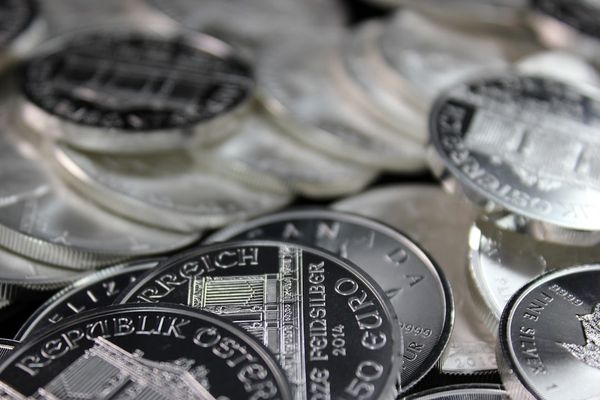
The iShares Silver Trust (SLV) could see significant price appreciation as silver remains undervalued despite rising industrial demand.

Gold's current price drop is viewed as a buying opportunity by analysts, with forecasts predicting a strong rebound driven by central bank demand and macroeconomic factors.
Goldman Sachs identifies the Iran conflict as an inflation shock, predicting continued corporate profit growth driven by tech, impacting both stock and crypto markets.
The U.S. is now spending over $1 trillion on debt interest, surpassing defense budgets and driving gold prices higher. This trend signals a looming fiscal crisis.