
Macro
10-Year Treasury Yield Drops 3 Basis Points — Iran-US Deal Shifts Fed Outlook
U.S. Treasury yields drop as a new Iran deal shifts Fed expectations. Investors reassess strategies ahead of Fed meeting led by Kevin Warsh.
John Nada•Jun 15
Federal Reserve, interest rates, inflation, and global economic policy(395 articles)
U.S. Treasury yields drop as a new Iran deal shifts Fed expectations. Investors reassess strategies ahead of Fed meeting led by Kevin Warsh.
SpaceX's IPO reaches a historic $2.1 trillion market cap, marking a significant milestone in the tech sector. The debut pushes Musk to trillionaire status.
High nominal yields seem promising, but sticky CPI is quietly eroding returns, challenging bond investors' strategies.
President Trump embraces a 4.2% inflation spike, eyeing a post-Iran conflict drop. Gold shines as a potential hedge.

Amid inflation, 401(k) matching emerges as a potent tool for retirement savings. Discover how it could bolster your financial future.
With Fed rate hikes looming, HELOC rates hover, creating a dilemma for homeowners eager to tap equity without losing favorable mortgage terms.

Economists now see Fed rate cuts delayed to 2027 amid rising inflation fears, contrasting with investor expectations of an October hike.

U.S. producer prices hit a 3.5-year high in May as energy costs surged, challenging Fed policies amid Middle East tensions.

Kevin Warsh, the new Fed Chair, shakes up communication norms, reducing transparency to refine market signals.
Binance's return to the Philippines blocked: No central bank license required to operate as a VASP, say regulators.
Judge Boasberg denied Jeanine Pirro's motion to erase records of legal losses in the Fed investigation, underscoring judicial integrity.
President Trump supports Fed Chair Warsh's strategy amid 4.2% inflation, contrasting past pressures on Powell.
Trump embraces inflation at 4.2%, linking decrease to post-war oil strategy. Republicans anticipate political fallout.

China's wholesale inflation hits a nearly 4-year high, driven by the Iran war and AI boom, as consumer inflation lags. Export growth surprises.

12.6% of households risk missing debt payments, says Fed. Job market anxiety rises; spending slumps. Inflation eases but uncertainty looms.
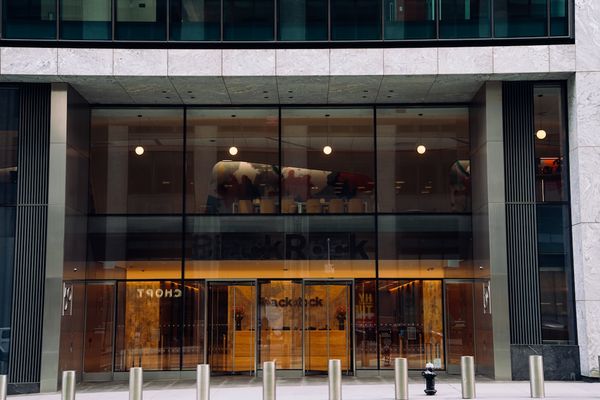
BlackRock warns of inflation risks tied to U.S.-Iran tensions. Economists see a sharp CPI rise, pressuring Bitcoin as markets await potential Fed moves.

Friday's tech stock plunge highlights rate jitters. Investors eye SpaceX's IPO amidst market turmoil.
U.S. household financial worries hit a four-year high. Inflation remains a pressing concern amid global tensions, despite steadier projections.

Trump pressures new Fed Chair Warsh to cut rates, but 3.8% CPI tempers expectations. Social Security's future hangs in balance.
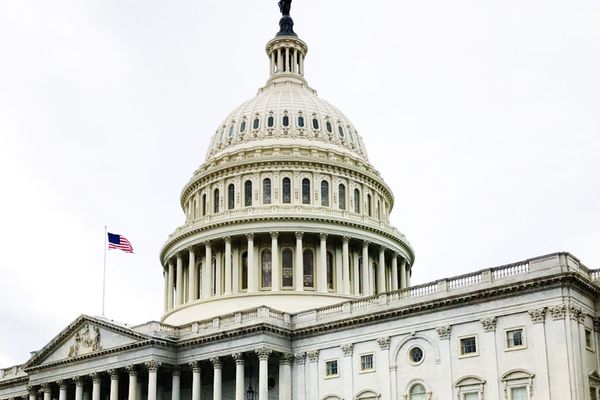
Kevin Warsh faces pressure from Trump to cut rates as he assumes role of Fed Chair, while inflation remains a key challenge.