Macro
AI Demand Spurs Inflation Fears — Cleveland Fed Eyes Rate Hikes
Cleveland Fed's Hammack warns AI demand may fuel inflation, pressuring interest rates. Fed's Warsh counters with AI's disinflationary potential.
John Nada•Jun 30
Federal Reserve, interest rates, inflation, and global economic policy(395 articles)
Cleveland Fed's Hammack warns AI demand may fuel inflation, pressuring interest rates. Fed's Warsh counters with AI's disinflationary potential.

Euro zone inflation persists at 3.2%. Bundesbank's Nagel warns it may stay high despite U.S.-Iran ceasefire. ECB eyes rate hikes.
2026 mid-year market outlook dims as Fed maintains hawkish hold and Iran unrest intensifies, pressuring advisors to recalibrate strategies.
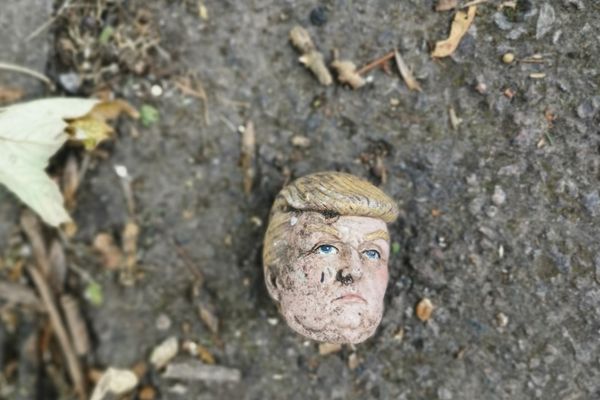
The Supreme Court blocked Trump's bid to fire Fed Governor Cook, igniting debates on Fed independence.
Greg Daco anticipates the Fed holding rates steady amid an income squeeze and supply-driven inflation, challenging Wall Street's hawkish expectations.
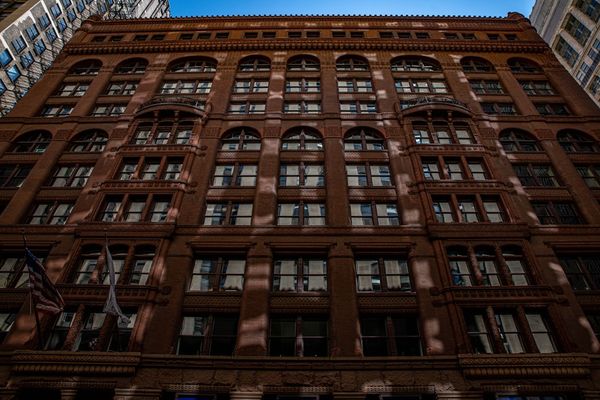
Fed Chair Kevin Warsh commits to 'price stability' amid inflation concerns, silencing critics and setting a clear policy path.

Amid a harsh scenario, all 32 banks pass the Fed's stress test without changing capital requirements, highlighting banking resilience yet posing questions for Bitcoin.
Warsh removes 'easing bias' from Fed's statement, signaling prolonged high rates. Markets must adapt to data-driven policy shifts.

Kevin Warsh's Fed holds rates at 3.5%—bad news for REITs like Annaly and AGNC, but future opportunities loom.
Oil prices tumble, easing inflation fears. U.S. Treasury yields drop as the market anticipates less aggressive Fed policy under Kevin Warsh.

The Fed's potential rate hike could impact HELOC and HEL rates, with the current average at 7.25% and 7.86% respectively. Borrowers must brace for shifts.
Structural inflation poses a threat to bond portfolios amid global tensions. Active ETFs like TAGG offer a flexible approach, adapting to market shifts.
Inflation concerns rise as energy prices spike. Investors explore global infrastructure, value stocks, and short-duration bonds for strategic protection.

Fed's Neel Kashkari shifts to rate hike amid inflation at 4.1%, spotlighting geopolitical and supply chain impacts.
Fed Chair Kevin Warsh navigates inflation challenges as Trump eases rate cut pressure amid geopolitical tensions.
Inflation remains high as Fed officials weigh rate hikes. Goolsbee supports Warsh's streamlined approach to guidance.
Bond ETFs in the U.S. surge by 60%, driven by investor hunger for yield amid Fed-induced volatility. Real yields from the AI boom and inflation dynamics play key roles.
Inflation hits 4.1% in May, challenging Fed's rate cut prospects. Warsh prioritizes Fed credibility over Trump's pressure for lower rates.
Kalshi traders doubt Treasury Secretary Bessent's 3% GDP growth target, favoring more modest expectations given recent economic indicators.

U.S. banks can endure $708B in losses, Fed's stress test reveals. Yet, changes to capital requirements loom, creating regulatory uncertainty.