Macro
Nasdaq Plummets Over 4% as Fed Rate Hike Looms
Nasdaq sinks 4% as jobs data stokes Fed rate hike fears. Nvidia and tech stocks lead downturn.
John Nada•Jun 7
Federal Reserve, interest rates, inflation, and global economic policy(395 articles)
Nasdaq sinks 4% as jobs data stokes Fed rate hike fears. Nvidia and tech stocks lead downturn.
Chip stocks face a $1 trillion wipeout amid fears of Fed rate hikes, with Nvidia and others leading the plunge.

Dollar index climbs on robust US payroll data, fueling Fed rate hike talks. Euro and yen feel the pressure.
A strong jobs report and internal Fed challenges complicate Chairman Kevin Warsh's policy path, with inflation and market expectations in the spotlight.
Fed rate hike odds jump to 52% on Kalshi after strong labor data. Economists split on Fed's next move amid sticky inflation.

India's central bank keeps rates steady at 5.25% amid rising energy costs and inflation. RBI raises inflation forecast and lowers growth expectations.
A $500,000 investment in senior loan ETFs yields $35,000 at 7% annually, adjusting for inflation.
Fed Chair Kevin Warsh hires conservative economists, signaling a bold policy shift. Influential advisors hint at changes at the Federal Reserve.
India's rupee hits record lows, prompting speculation of a surprise rate hike by the RBI. Inflation and global trends add pressure.
Amazon's Prime Day returns June 23-26, as shoppers face inflation and economic uncertainty. The focus shifts to essentials, with a strategy tailored to consumer needs.

Jerome Powell warns that Trump's attempts to influence the Fed risk damaging public trust in its independence, highlighting ongoing political pressures.
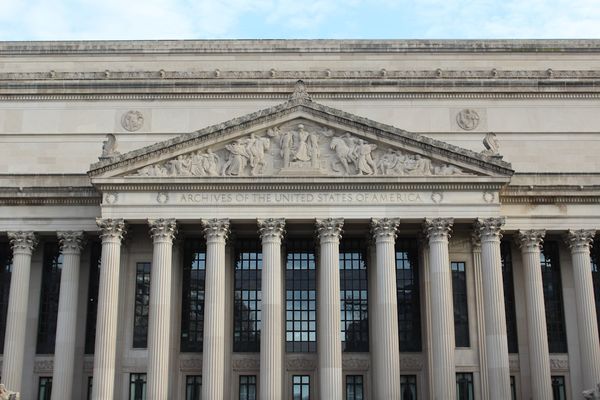
JPMorgan, AmEx, and Progressive set to weather Fed rate hikes. Resilience rooted in strategic operations and client demographics.
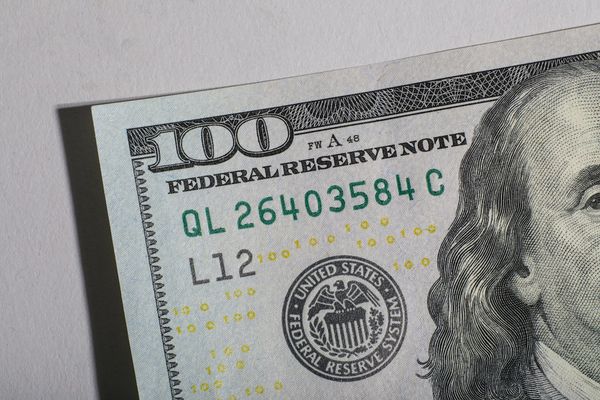
Bond traders await a crucial jobs report to confirm bets on a Fed rate hike by next year, amid rising oil prices and inflation pressures.
S&P 500's 21x P/E defies 4.49% Treasury yield. Markets prove complex, outpacing simplified interest rate narratives.

Kevin Warsh faces stagflation as new Fed Chair. Inflation hits highs amid geopolitical tension. A complex economic puzzle awaits.
Fed's inflation gauge hits 3-year peak at 3.8%, oil prices surge. Officials weigh steady rates vs hikes amid rising economic pressure.
Costco's revenue soared 11% amid rising inflation, driven by savvy pricing and strong membership growth.
Federal Reserve Governor Michelle Bowman cautions against rate hikes, citing energy price-driven inflation as temporary.

ECB faces a tightrope walk. Inflation rises amid economic fragility, but market expectations might already be tightening conditions.
Investors pull back from Bitcoin and gold as inflation fears cool and geopolitical tensions ease, says JPMorgan.