Macro
Trump's Threat to Fire Powell Sparks Fed Leadership Uncertainty
Trump's threats to fire Powell raise concerns about Fed leadership and its impact on monetary policy amid ongoing investigations.
John Nada•Apr 15
Federal Reserve, interest rates, inflation, and global economic policy(396 articles)
Trump's threats to fire Powell raise concerns about Fed leadership and its impact on monetary policy amid ongoing investigations.

Cleveland Fed President Beth Hammack indicates interest rates will likely remain steady, as the bank assesses inflation and employment risks amid global economic pressures.

Kevin Warsh's wealth far exceeds that of recent Fed chairs, raising questions about his confirmation amidst scrutiny and potential conflicts of interest.

Kevin Warsh's investment disclosures reveal a vast portfolio, raising questions about his potential impact on Federal Reserve policy and financial markets.

Treasury Secretary Bessent's change in stance on interest rates reflects the complexities of rising oil prices and inflation, impacting Fed strategy and investor outlook.

Kevin Warsh has taken a significant step toward his Senate hearing for Fed chair. His nomination comes amid scrutiny of current Fed Chair Jerome Powell.
Treasury yields increase as stalled U.S.-Iran talks heighten inflation concerns. Investors brace for potential market disruptions amid geopolitical tensions.

Bank of America forecasts two Fed rate cuts in 2026, challenging the market's hawkish view. The implications for monetary policy could reshape economic strategies.
Tensions between the US and Iran are reigniting inflation concerns, pushing bond yields higher and delaying anticipated Federal Reserve rate cuts.

Consumer confidence hits an all-time low as inflation fears rise amidst the Iran war, signaling potential impacts on spending and monetary policy.
US CPI data shows a 0.9% increase in March, driven by energy prices. Inflation remains above the Fed's target, complicating monetary policy.

The ongoing Iran war has led to a significant inflation spike, impacting consumer prices and complicating Federal Reserve policy decisions.

Treasury and Fed leaders' urgent meeting highlights systemic AI cyber risks facing banks. The financial sector must bolster defenses against vulnerabilities revealed by AI models.
The Reserve Bank of India proposes transaction delays and added protections for consumers to combat escalating digital fraud cases. The measures reflect a commitment to enhancing security.
March CPI surged to 3.3%, raising stagflation concerns as GDP growth stalls at 0.5%. This economic backdrop complicates the Fed's monetary policy decisions.
US officials are proactively addressing AI security risks with tech giants ahead of Anthropic's Mythos model release, highlighting regulatory concerns.
The projected Social Security COLA for 2027 could rise to 3.2%, driven by inflation and gas prices. This increase reflects ongoing economic challenges for retirees.

The Federal Reserve faces a critical juncture as inflation pressures mount amid geopolitical tensions. With the recent drop in oil prices, the path ahead remains uncertain.
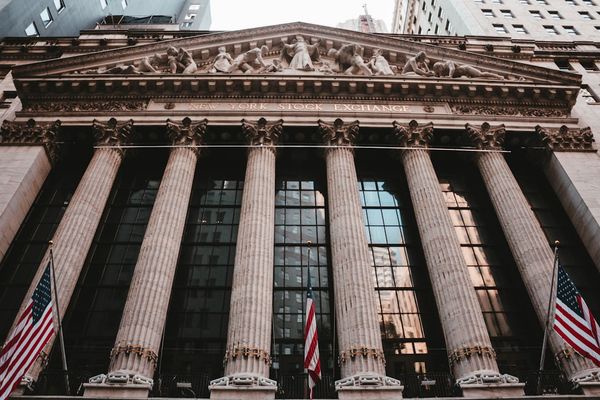
Kevin Warsh's nomination for Fed chair faces delays amid political blockades, raising concerns about future leadership and monetary policy stability.
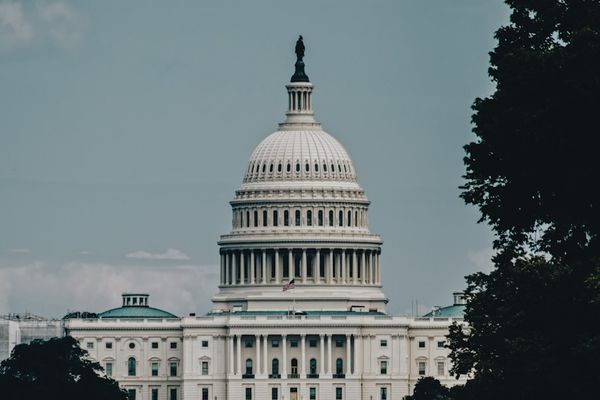
Core inflation remains at 3% as the U.S. faces rising energy prices amid conflict with Iran. This persistent inflation raises challenges for the Federal Reserve's policies.