
Trump Cheers 4.2% Inflation Amid Iran Conflict—Sharp Economic Shift Looms
 By John Nada·Jun 14, 2026·4 min read
President Trump embraces a 4.2% inflation spike, eyeing a post-Iran conflict drop. Gold shines as a potential hedge.
“I love the inflation,” declared President Donald Trump, unfazed by the recent 4.2% spike in inflation, according to Yahoo Finance. This comment came as he addressed the ongoing conflict involving Iran, emphasizing that U.S. actions have prevented a more severe rise in oil prices. Trump's assertion that inflation would “come down like a rock” following the conflict's resolution adds a dramatic twist to the narrative.
The backdrop to Trump's remarks is an economy where consumer prices, as reported, have increased by approximately 29% since January 2020—a reflection of persistent post-pandemic inflationary pressure. While inflation has cooled from a peak of 9.1% in June 2022, prices haven't rolled back to pre-pandemic levels. Yet, Trump's confidence in reversing inflation trends seems to hinge on geopolitical developments, which remain unpredictable.
Trump's confidence in the U.S. economy's resilience appears tied to strategic maneuvers in the global oil market. He suggests that the United States has played a pivotal role in stabilizing oil prices during the Iran conflict by quietly removing millions of barrels of oil from the market. This move, according to him, has prevented an even larger spike in oil prices, which could have exacerbated inflationary pressures further.
The economic implications of Trump's remarks are significant. A 4.2% year-over-year inflation rate means that prices double approximately every 17 years, creating a scenario where purchasing power could be substantially eroded if inflation remains unchecked. For retirees, this is a particularly pressing issue. A lifestyle costing $50,000 annually today might require nearly $100,000 by the mid-2040s, forcing many to reassess their financial plans and look for ways to protect their savings from inflation.
Amidst this backdrop, many Americans are seeking strategies to safeguard their purchasing power. Historical precedent points to gold as a potential hedge against inflation. During the inflationary surge of the 1970s, gold's price skyrocketed from about $35 to over $800 an ounce, driven by investors seeking refuge from rising prices. This period, notably post-Nixon shock of 1971, solidified gold's reputation as a stable store of value during turbulent economic times.
Investors today might consider similar strategies to protect their portfolios. Although gold doesn't generate income like stocks or bonds, its historical resilience during inflationary times remains appealing. Gold's ability to hold its purchasing power over long periods offers a valuable perspective for those concerned about future inflationary pressures.
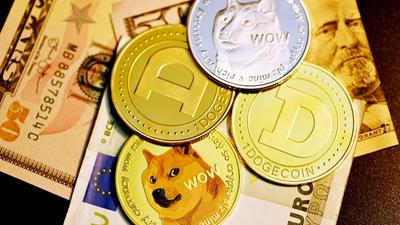
Bitcoin Surges Past $64,000 — Riding Geopolitical Optimism and ETF Inflows
Bitcoin climbs above $64,000 amid hopes for Middle East peace and strong ETF inflows.
Furthermore, the tax treatment of gold can influence investment decisions. The IRS generally taxes gold as a collectible, which can impact returns. However, there are strategies that allow investors to hold physical bullion in a tax-advantaged manner, providing an additional incentive for those considering gold as part of their asset allocation.
The debate over the future of the economy continues among politicians and economists, with differing opinions on the trajectory of inflation and economic growth. As policymakers grapple with these complex issues, individuals face the immediate challenge of maintaining financial stability in an uncertain environment. Diversifying assets and keeping a close eye on historical trends could be key in navigating the economic landscape.
In this context, understanding the historical performance of different asset classes during inflationary periods becomes crucial. While gold stands out due to its track record, other strategies may also offer protection. Real estate, for example, has been used by the ultra-rich to build wealth, leveraging its potential to generate income and appreciate in value over time.
For those concerned about the future of Social Security, financial experts like Dave Ramsey warn of the risks associated with relying too heavily on government programs. Nearly 50% of Americans may be making critical mistakes with their Social Security planning, underscoring the importance of proactive financial management.
As the world watches the unfolding geopolitical tensions and their economic repercussions, Americans are left to ponder their financial futures. The intersection of inflation, asset protection, and strategic financial planning remains a dynamic and evolving landscape. Whether Trump's prediction of inflation falling "like a rock" post-conflict holds true remains to be seen, but the need for vigilance and adaptability in personal finance is clearer than ever.