THORChain Halts Trading — $10M Exploit Rocks DeFi Security
 By John Nada·May 16, 2026·5 min read
THORChain pauses trading after a $10M exploit, highlighting ongoing DeFi security concerns amid rising hacker activity.
Decentralized finance promises transparency and autonomy, yet it's plagued by vulnerabilities exploited by hackers. THORChain's recent trading halt exemplifies this duality, with a suspected $10 million exploit raising alarms. According to Cointelegraph, the decentralized liquidity protocol paused all trading and signing activities after blockchain investigator ZachXBT flagged a breach involving multiple blockchain platforms, including Bitcoin, Ethereum, BNB Chain, and Base.
The pause, extending until block 26191149, highlights ongoing security concerns in DeFi, echoing past incidents that have shaken the sector. The wallet identified as the THORChain exploiter by Arkham holds $10.8 million, spread across several smaller transactions. This adds to an alarming trend, as hackers have siphoned over $634 million in April alone, with DeFi platforms being prime targets.
Yet, DeFi's pull remains strong. Its design as a non-custodial cross-chain protocol allows for seamless fund swaps, attracting both legitimate and illicit activities. Earlier breaches, like the $293 million Kelp DAO exploit, saw attackers utilizing THORChain to swap Ether, illustrating the protocol's role in broader financial maneuvers.
Despite these incidents, THORChain is not a crypto mixer like Tornado Cash; it doesn't obfuscate transactions but facilitates them. This distinction keeps it in a gray area between decentralized utility and potential misuse. Following the suspected exploit, CoinGecko data showed THORChain's RUNE token plummeting by 13%, landing near $0.51, exacerbating its year-long decline.
As decentralized protocols navigate these challenges, the balance between innovation and security remains precarious. The mounting figures, including the record-breaking $1.4 billion hack on Bybit, underscore a pressing need for robust defenses in DeFi platforms. THORChain's ongoing situation serves as a reminder that even as technology evolves, so do the threats that accompany it.
THORChain's rapid response to the suspected exploit is indicative of the broader challenge faced by DeFi platforms. The protocol's decision to halt all trading and signing activities was a necessary step to prevent further breaches and mitigate potential damage. This move showcases the importance of having robust incident response plans in place to address security threats promptly.
The involvement of prominent blockchain investigator ZachXBT highlights the collaborative efforts within the crypto community to identify and address potential threats. ZachXBT's flagging of the exploit across multiple blockchain platforms underscores the interconnected nature of the DeFi ecosystem, where vulnerabilities in one protocol can have cascading effects on others.
The suspected exploit and subsequent trading halt raised significant concerns within the DeFi community. Users and investors were left questioning the security of their assets and the reliability of decentralized protocols. This incident serves as a stark reminder of the inherent risks associated with DeFi, where the lack of centralized control can sometimes lead to vulnerabilities being exploited by malicious actors.
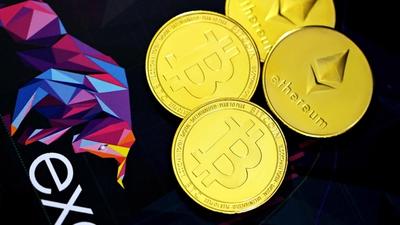
Ethereum Gains 3% as Tokenization Surges — Can It Break $1,800?
Ether climbs 3% amid tokenization and Robinhood Chain success, yet struggles to break $1,800.
The impact of the suspected exploit on THORChain's RUNE token was immediate and severe. The 13% drop in RUNE's value reflects the market's reaction to the security breach and the resulting uncertainty surrounding the protocol's future. This decline adds to the token's prolonged downtrend, with RUNE having lost 72% of its value over the past year.
The use of THORChain by malicious actors to swap stolen funds is not a new phenomenon. Its non-custodial, cross-chain nature makes it an attractive tool for those looking to launder illicit gains. However, this also places the protocol in a difficult position, as it must balance its utility with the potential for misuse.
The Kelp DAO exploit in April, where the attacker used THORChain to swap 75,700 Ether, highlights the ongoing challenge of ensuring security while facilitating legitimate transactions. This incident generated approximately $910,000 in revenue for THORChain, demonstrating the protocol's continued utility despite the risks.
Similarly, the majority of funds stolen during the Bybit hack were moved through THORChain, with hackers swapping $1.2 billion from Ether to Bitcoin. This highlights the protocol's central role in the movement of funds across the DeFi ecosystem, both for legitimate and illicit purposes.
The pause in trading and signing activities on THORChain underscores the necessity for continuous monitoring and rapid response mechanisms to address security threats. As the DeFi sector continues to grow and evolve, so too must the strategies employed to protect user assets and maintain the integrity of decentralized protocols.
The ongoing challenges faced by THORChain and other DeFi platforms emphasize the need for enhanced security measures and increased transparency. As the sector matures, there is a growing recognition of the importance of collaboration between developers, security experts, and the broader crypto community to identify and mitigate potential vulnerabilities.
The recent exploit serves as a wake-up call for the DeFi industry, highlighting the urgent need for improved security protocols and incident response strategies. As hackers become increasingly sophisticated, it is imperative for decentralized platforms to stay one step ahead in the ongoing battle to protect user assets.
While the suspected exploit has undoubtedly shaken confidence in THORChain and the broader DeFi sector, it also presents an opportunity for growth and improvement. By addressing security concerns head-on and implementing robust safeguards, DeFi platforms can strengthen their resilience against future threats and continue to innovate in the rapidly evolving world of decentralized finance.