Silver Holds Steady at $62 Amid Fed Rate Speculation
 By John Nada·Jul 7, 2026·5 min read
Silver steadies at $62 amid Fed rate speculation; chances of July rate hike dip to 25.1%, bolstering precious metals. Can silver reach $100 by 2030?
Silver's price remains stable at $62.10 per ounce, opening Tuesday, July 7, 2026, at $62.52, which is 0.3% higher than the previous day, according to Yahoo Finance.
This stability follows a more positive-than-expected employment report that dampened the likelihood of further Fed rate increases. The odds of a rate hike at the end of July now stand at 25.1%, down from 33.1% the previous week, according to CME Group's FedWatch tool.
The influence of the Federal Reserve's monetary policy extends beyond interest rates, significantly impacting precious metals like silver. When the Fed indicates a more dovish stance, as reflected by the reduced likelihood of a rate hike, precious metals often experience bolstered prices. This is primarily because lower interest rates decrease the opportunity cost of holding non-yielding assets such as silver, making them more attractive to investors.
Silver's price movement is notable. A week ago, it was up 7.2%, while a month ago, it had slid 13.8%. A year-over-year comparison shows an impressive 68.6% increase. Notably, on May 14, the year-over-year growth was even more dramatic at 173.3%.
Such increases in silver prices over the past year can be attributed to various factors, including increased industrial demand and geopolitical tensions. Silver is extensively used in industrial applications, including electronics and solar panels, which drives its demand. The recent fluctuations in silver prices underscore its volatility in the market, often more pronounced than gold.
Gold and silver prices have firmed, reflecting broader economic conditions and investor sentiment. The persistent conflict in the Middle East raises concerns about economic stability, increasing investor interest in precious metals. Silver often serves as a more accessible entry point than gold, especially when prices fluctuate.
The volatility in silver is striking. It peaked at $113 per ounce in January 2026 and fell to $77 by February—a swift 32% drop. Such fluctuations underscore its unpredictable nature, often influenced by industrial demand and investor confidence.
Investors and analysts closely monitor these price movements to gauge future trends. While the short-term outlook remains uncertain, historical patterns suggest that silver often experiences sharp rises and falls, driven by macroeconomic indicators and market sentiment.
As predictions swirl around silver's future, some experts remain bullish. Projections from BlackRock and J.P. Morgan suggest prices may climb to $80 by the end of 2026 and potentially hit $100 by 2030. Yet, these forecasts can shift, illustrating the market's inherent uncertainty.
Gold ETFs Surge — GLDM, IAU, SGOL Shine on Bullion Run
ETF cost structures clash as gold prices rise.
These predictions from major financial institutions highlight the potential for significant growth in the silver market. Their analyses often take into account global economic conditions, including inflation rates, technological advancements, and geopolitical tensions, all of which can impact demand and supply dynamics for silver.
Still, it's not just about the numbers. There's a growing fascination with silver coins, fueled by geopolitical tensions and economic concerns. Could this lead to increased demand, or will the current trends pivot unexpectedly? Only the market's next chapter will tell.
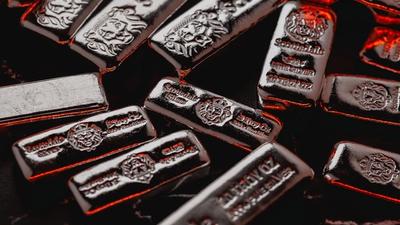
Silver coins and bars are becoming increasingly popular among investors. With the conflict in the Middle East and concerns over manufacturing supply chain disruptions, investors look for safe-haven assets. Since gold can be prohibitively expensive for new investors, silver presents a more affordable alternative, driving its demand.
For investors considering silver, understanding the factors that contribute to its price volatility is crucial. Silver's dual role as both an industrial metal and a monetary asset means its price is influenced by diverse factors, from technological innovations in industries that use silver to changes in investment demand based on economic outlooks.
Additionally, the accessibility of silver investments has expanded, with platforms like Yahoo Finance providing 24/7 price tracking and financial tools to help investors make informed decisions. The ability to track silver prices in real-time allows investors to respond quickly to market changes and adjust their strategies accordingly.
The allure of silver investment lies in its potential for high returns, driven by both market dynamics and geopolitical factors. As interest in precious metals grows, investors are exploring various ways to include silver in their portfolios, from purchasing physical assets like coins and bars to investing in ETFs and mining stocks.
The silver market's future is closely tied to broader economic trends and the actions of key financial institutions. As the Federal Reserve continues to navigate complex economic landscapes, its decisions will undoubtedly influence silver prices and investor behavior.
While some investors remain cautious due to silver's historical volatility, others are drawn to its potential as a hedge against inflation and economic instability. The diversity of opinions and strategies in the silver market reflects its complexity and the myriad factors that can impact its price trajectory.
As the year progresses, the interplay between global economic developments, industrial demand, and investor sentiment will continue to shape the silver market. Investors and analysts alike will be watching closely to see how these elements influence the precious metal's journey in the coming months and years.