
Russia Poised for Regulated Crypto Trading by 2026: What It Means for Investors
 By John Nada·Dec 25, 2025·3 min read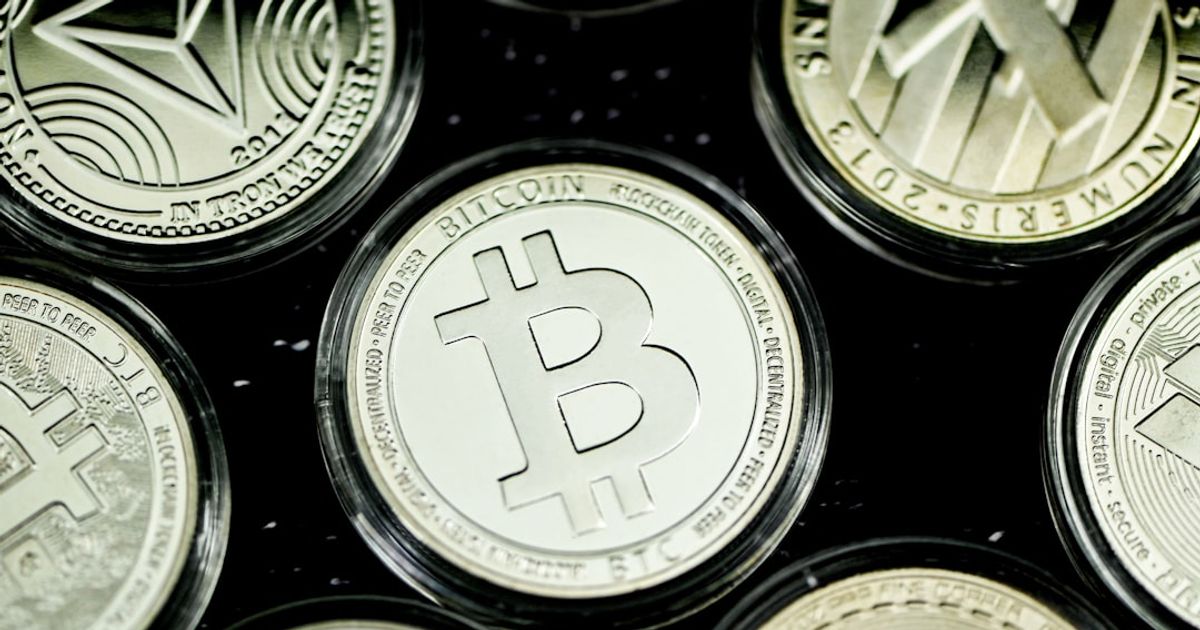
Russia's upcoming launch of regulated crypto trading by 2026 signals a major shift, poised to impact investors globally. Understanding these dynamics is key for market participants.
As the global cryptocurrency landscape continues to evolve, Russia's financial market is poised for a significant transformation. The Moscow Exchange and St. Petersburg Exchange have announced their plans to launch regulated cryptocurrency trading by July 2026, following the country's legislative adjustments. This move signals a strategic shift in Russia's approach to digital assets, positioning the nation on a path toward greater integration with the global crypto economy.
Qualified investors will gain unrestricted access to crypto trading, while retail traders will face an annual purchase cap of approximately $3,800. This limitation appears designed to mitigate risks associated with inexperienced investors venturing into highly volatile markets. However, this dichotomy raises questions about accessibility and the potential for a two-tiered market where only affluent individuals can fully participate.
Historically, Russia has taken a cautious stance on cryptocurrencies, often labeling them as illegal or subjects of wary scrutiny. The new regulatory framework, however, represents a marked departure from this narrative. It reflects a growing acknowledgment within the government of cryptocurrencies' potential benefits, including increased foreign investment and innovation in the financial sector. Industry stakeholders believe that regulated trading can enhance the legitimacy of cryptocurrency in the eyes of both domestic and international investors, potentially leading to a surge in interest.
The implications of this regulatory initiative could be profound. For investors, the accessibility offered to qualified buyers adds a new dimension to the market, allowing them to engage in structured and potentially safer trading. Meanwhile, the introduction of trading limits for retail investors could steer them toward more stable crypto products or funds, reducing exposure to the inherent risks of direct trading. It’s a calculated move that could protect less experienced investors while fostering sophisticated market activities.
Palo Alto Networks Earnings Beat — AI Drives Cybersecurity Boom
Palo Alto Networks beats Q3 estimates amid AI-driven security demand, despite a net loss.
Market analysts predict that as Russia implements these trading solutions, we may witness a gradual increase in transaction volumes and price stability. If successful, this could lead to enhanced market liquidity, which is often essential for price discovery and the establishment of fair market values. Many are looking for indicators in the price movements of major cryptocurrencies such as Bitcoin and Ethereum to gauge how Russian regulators' actions will influence global sentiments.
In a broader context, Russia's regulatory changes come amid ongoing discussions across global jurisdictions about how best to embrace cryptocurrency. Regulatory frameworks are evolving in several countries, with the United States, the European Union, and other regions debating how to create balanced approaches that both encourage innovation and protect investors. Comparing this to other regions that have embraced crypto trading in regulated formats, such as the recent developments in Asia and parts of Europe, highlights a potential trend towards standardizing regulations that may soon blanket the globe.
As these developments unfold, investors should remain vigilant. The influx of regulated offerings in Russia may attract significant institutional interest, leading to price surges in popular cryptocurrencies. Additionally, traders will be keenly observing market reactions as retail participation redefines trading strategies. These new dynamics are crucial for understanding forthcoming trends and the overall health of the cryptocurrency market as it matures into a more regulated phase.
With the anticipated launch of regulated trading in Russia only a few years away, the crypto community is closely monitoring how these policies will be implemented and their subsequent impact on market behavior. The gradual normalization of cryptocurrency could mark the beginning of a new era for digital assets, which might not only influence Russian markets but also set precedents for other nations considering similar regulatory pathways.