Oil Prices Surge to New Heights Amid Middle East Conflict
 By John Nada·Mar 9, 2026·4 min read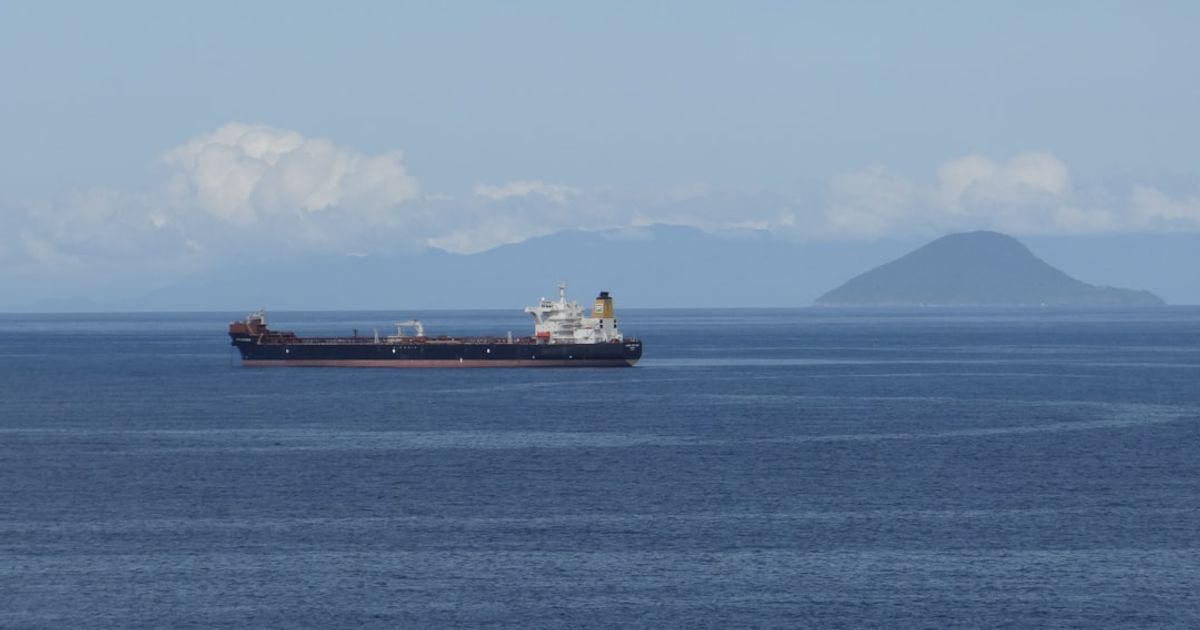
Oil prices soar to over $119 a barrel amid supply cuts and geopolitical tensions, signaling potential long-term effects on the global economy.
Oil prices have surged past $119 a barrel, reaching levels not seen since mid-2022. This spike comes as major producers cut supplies and fears of shipping disruptions grow due to the escalating U.S.-Israeli conflict with Iran.
Brent crude futures jumped $13.02, or 14%, while U.S. West Texas Intermediate (WTI) rose by $12.16, or 13%. In a whiplash session, Brent had earlier hit a high of $119.50 a barrel, indicating the biggest-ever absolute price jump in a single day, and WTI reached $119.48 a barrel. This surge follows a sharp upward trend over the previous week, with Brent climbing 28% and WTI 36%. The Strait of Hormuz, a critical passage for global oil and liquefied natural gas, remains nearly shut, causing market apprehension. Approximately one-fifth of the world's oil and liquefied natural gas typically passes through this vital waterway, underscoring its importance in global energy distribution.
The swift increase in prices is exacerbated by the recent leadership change in Iran, with Mojtaba Khamenei succeeding his father, signaling a continuation of hardline policies. The implications of this transition are significant, as the new leadership's stance may further escalate tensions in the region. As the conflict continues, consumers worldwide may face sustained high fuel prices, even if hostilities cease quickly, due to damaged facilities and disrupted logistics. The war, which ignited on February 28, has already begun to impact global markets, and the lingering uncertainty surrounding it is likely to keep prices elevated for the foreseeable future.
In the U.S., gasoline contracts have surged to around $3.22 a gallon, marking the highest prices since 2022. This escalation occurs amid claims from President Donald Trump that the impact on consumers would be minimal ahead of the mid-term elections. The administration's position seems to contradict the reality of rising prices, highlighting the tension between political messaging and economic conditions. Meanwhile, Senate Democratic Leader Chuck Schumer urged the president to release strategic petroleum reserves to mitigate supply disruptions, reflecting the growing concern among lawmakers about the economic repercussions of sustained high oil prices.
Specific production cuts from Iraq provide further evidence of the tightening supply chain. Reports indicate that oil output from southern fields in Iraq has plummeted by 70%, a significant reduction that has contributed to the overall strain on global oil supplies. Amidst these cuts, the Kuwait Petroleum Corporation has declared force majeure on shipments. However, the extent of the production cuts has not been disclosed, leaving market analysts and participants speculating about the potential long-term effects on oil prices.
Analysts are closely monitoring OPEC heavyweights, like the United Arab Emirates and Saudi Arabia, as they may also need to reduce output soon due to filling storage capacities. Saudi Aramco has offered over 4 million barrels of crude in rare tenders, highlighting the strain on export routes. This situation is compounded by the fact that many oil-producing nations are facing logistical challenges that hinder their capacity to maintain stable production levels.

Additionally, Qatar, a significant liquefied natural gas exporter, has halted production following attacks on vital infrastructure. This disruption adds another layer of complexity to the global energy crisis, as LNG is increasingly viewed as a key alternative to traditional oil supplies. The combination of these geopolitical tensions, supply constraints, and production cuts paints a worrying picture for global energy markets.
The ripple effects of these developments extend beyond oil prices; they could influence inflation rates, consumer spending, and broader economic stability worldwide. Higher fuel prices typically lead to increased transportation costs, which can subsequently drive up prices for goods and services across various sectors. As consumers face elevated costs at the pump, discretionary spending may decline, affecting retail and service industries.
Furthermore, the current energy crisis has the potential to exacerbate existing economic challenges. Central banks around the world are already grappling with inflationary pressures, and sustained high oil prices could hinder their efforts to stabilize economies. In this context, the oil market remains a critical focal point for policymakers and economists alike.
As the situation evolves, market participants will need to monitor both immediate impacts and longer-term ramifications in the energy sector and the global economy. The interconnectedness of global markets means that fluctuations in oil prices will have far-reaching consequences, impacting not only energy-dependent industries but also the broader economic landscape.
In the coming weeks, as the conflict continues and production cuts potentially spread to other nations, the oil market will likely remain volatile. Investors and analysts will be on high alert, seeking signs of resolution or further escalation in the Middle East. The strategic decisions made by key oil-producing nations, as well as the responses from major economies, will be pivotal in shaping the trajectory of oil prices and global economic stability in the near future.