
KindlyMD Faces Delisting Risk: Implications for Its Bitcoin Treasury Strategy
 By John Nada·Dec 16, 2025·3 min read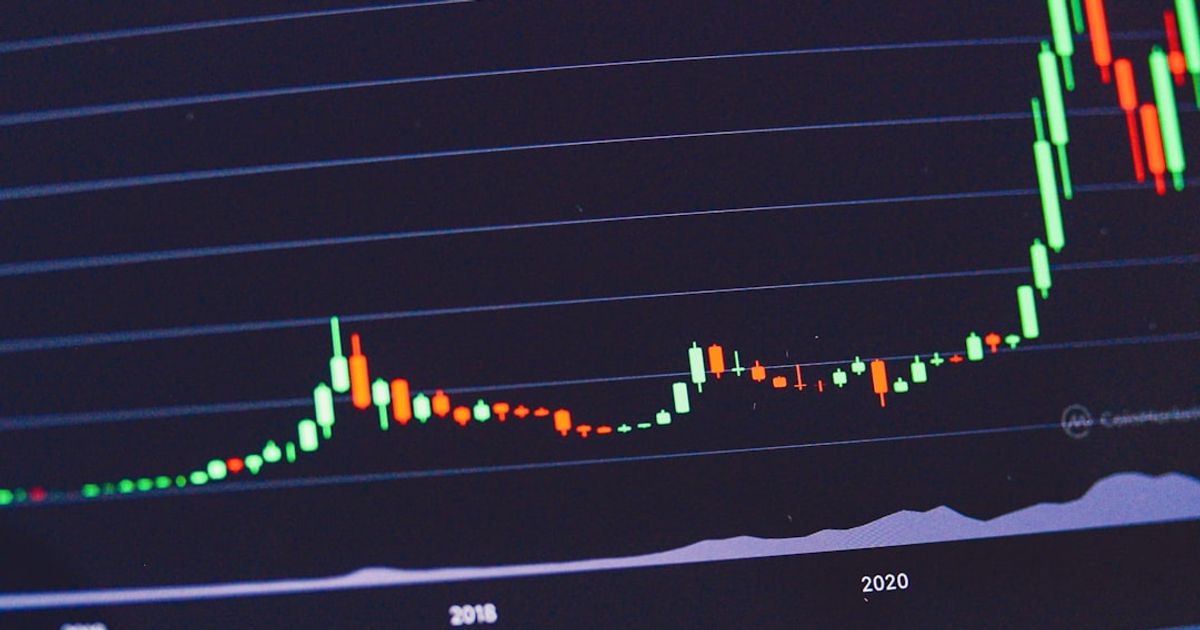
KindlyMD faces Nasdaq delisting risks as it struggles to maintain a minimum share price, which may impact its innovative bitcoin treasury strategy.
KindlyMD, a specialized firm that bridges healthcare and digital assets, is currently grappling with the distinct possibility of being delisted from Nasdaq. This situation arises as it has failed to maintain a minimum share price of $1 for 10 consecutive days, an essential requirement for companies listed on the exchange. With a six-month grace period to correct this issue, the stakes are high for KindlyMD and its stakeholders. As the firm positions itself at the intersection of healthcare and cryptocurrency, this challenge could have ripple effects across both sectors.
Investors are understandably concerned. The company's innovative approach to integrating bitcoin into its treasury and operational strategy highlighted its forward-thinking capability. However, the recent share price slump suggests a disconnect between its ambitious plans and market confidence. This isn't just a matter of numbers; it reflects the broader market sentiment regarding healthcare technology firms that venture into the volatile realm of cryptocurrencies.
Historically, companies facing delisting often experience a downturn in their stock value that can be difficult to recover from. KindlyMD’s case is particularly intriguing given its focus on bitcoin, a digital asset that has seen significant fluctuations. In 2021, we witnessed bitcoin soar past $60,000, only to plummet to around $30,000 by the end of the same year. Such volatility raises questions about the sustainability of its treasury strategy. If the company cannot stabilize its share price, it might indicate larger issues surrounding investor trust and market viability.
$1.67 Billion Pulled from Crypto Funds—Bitcoin Leads Outflows
Crypto funds see $1.
The interplay of cryptocurrency and traditional healthcare poses unique challenges. While bitcoin has been increasingly adopted by various industries, the regulatory landscape remains uncertain. The SEC’s stance on cryptocurrencies, which has been evolving, impacts how investors perceive companies like KindlyMD. Additionally, healthcare is heavily regulated, which can hinder the swift adaptation sometimes seen in the crypto market. As KindlyMD attempts to navigate this intricate space, its ability to meet Nasdaq’s standards will be closely monitored by both regulators and investors alike.
Market analysts note that investor sentiment around digital health firms combining blockchain technology with traditional practices is still mixed. While the potential for innovation exists, many investors are cautious after witnessing speculative bubbles in the crypto market. Additionally, the overall market cap for cryptocurrencies can fluctuate wildly, impacting how healthcare firms position themselves in this space. If KindlyMD can successfully turn its situation around, it might pave the way for others in the sector to follow suit.
The next few months will be critical for KindlyMD. To avoid delisting, it must not only elevate its share price but also reinforce the integrity of its bitcoin treasury strategy. If it can demonstrate a sustainable business model that balances both healthcare delivery and cryptocurrency integration, it could regain investor confidence. However, failure to meet these lofty goals could lead to a loss of investor capital in the rapidly evolving landscape of digital health.
For cryptocurrency enthusiasts and healthcare sector stakeholders, KindlyMD’s journey serves as a reminder of the challenges that lie ahead. The convergence of these two fields holds immense potential, but it also requires careful navigation of market dynamics and regulatory landscapes. Future developments from KindlyMD will be pivotal in illustrating whether such hybrid models can thrive or if they are destined to fade into the annals of financial history.