
Iran Peace Deal Sends Oil Plummeting 5%, Gold Climbs 3%
 By John Nada·Jun 15, 2026·3 min read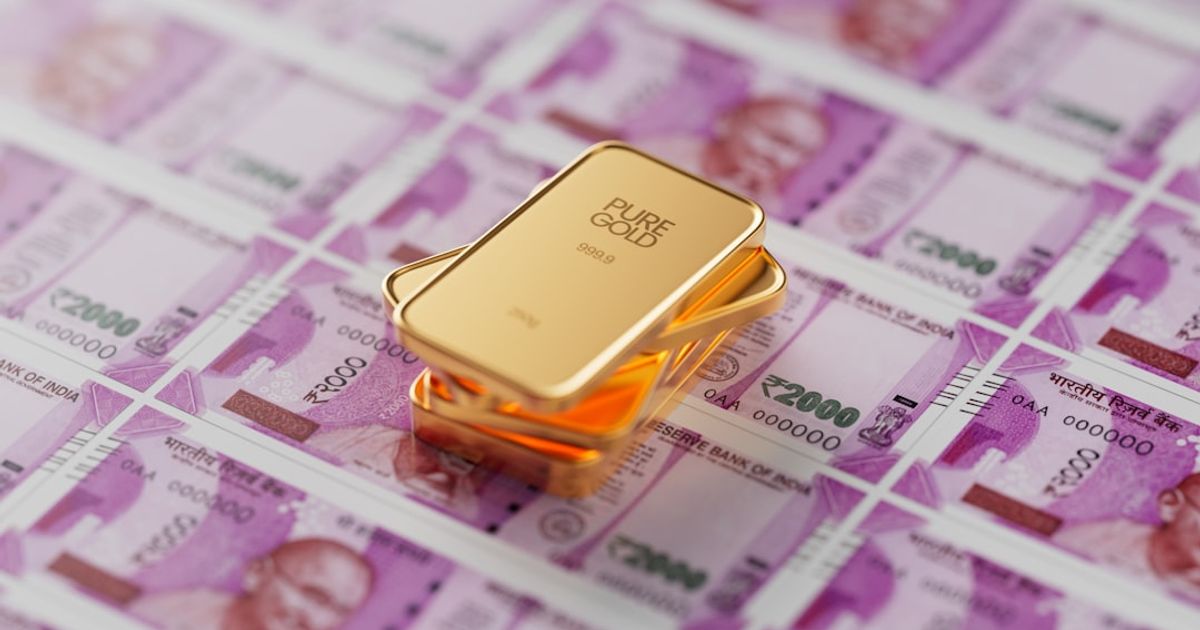
The Iran peace deal has sent oil prices tumbling over 5% while gold rises nearly 3%, reversing an inflation-driven trend.
Sunday night saw a seismic shift in the Middle Eastern geopolitical landscape. Pakistan’s Prime Minister announced that the United States and Iran had reached a peace deal, ending months of conflict. This development, set to be formally signed in Switzerland on Friday, sent ripples through global markets.
Oil reacted sharply. As markets opened Monday, WTI crude plunged over 5%, dropping to roughly $80 a barrel, marking a two-month low, according to TradingEconomics. This is not merely a blip. It's a direct response to the reopening of the Strait of Hormuz, which promises to restore a significant chunk of the world’s oil flow.
On the other side, gold defied conventional wisdom by rising nearly 3% to above $4,300 per ounce, according to GoldSilver.com. The same peace news that sunk oil is pushing gold up. Traditionally, gold thrives amid uncertainty, but this isn't a typical safe-haven play. Instead, it’s about reversing the chain of events that previously pressured the yellow metal.
Since February, the Iran conflict had strangled gold. The closing of the Strait had sent oil prices soaring, which in turn spiked inflation. The Federal Reserve’s rate hike considerations took the spotlight, making US bonds more attractive than non-yielding gold, pushing down prices. But with peace on the horizon, the inflation narrative shifts. Oil prices recede, reducing inflationary pressures and dimming the Fed's rate hike prospects.
Bitcoin Risk: Historical Pattern Points to Possible $48K Drop
Bitcoin might drop to $48K if historical patterns persist, despite market maturity.
According to the CME FedWatch Tool, the probability of a December rate hike has notably declined from 69% to 53%. This 16-point drop is significant for gold prices, which are particularly sensitive to interest rate expectations.
The Federal Reserve’s upcoming meeting on June 16–17, the first under Chair Kevin Warsh, looms large. A decision on rates might be settled — a 97% chance of no change — but Warsh’s tone could still sway markets. Analysts speculate that the peace deal could tip Warsh towards a dovish stance, reinforcing the unwinding of the gold-crushing monetary pressure.
Central banks haven’t been idle. The World Gold Council notes ongoing purchases, with 244 tonnes added in Q1 2026 and another 17 tonnes in April. China's persistence in augmenting its gold reserves for 18 months plays a role too. Institutions didn’t abandon gold even as geopolitical tensions rose.
For long-term investors, today underscores a crucial insight: understanding the economic mechanisms surpasses the headlines. The recent peace deal removes a short-term barrier, but the structural case for gold, driven by factors like government spending and geopolitical balance, remains robust.