Hormuz Blockade Sparks Volatile Gold Market Reaction
 By John Nada·Apr 13, 2026·4 min read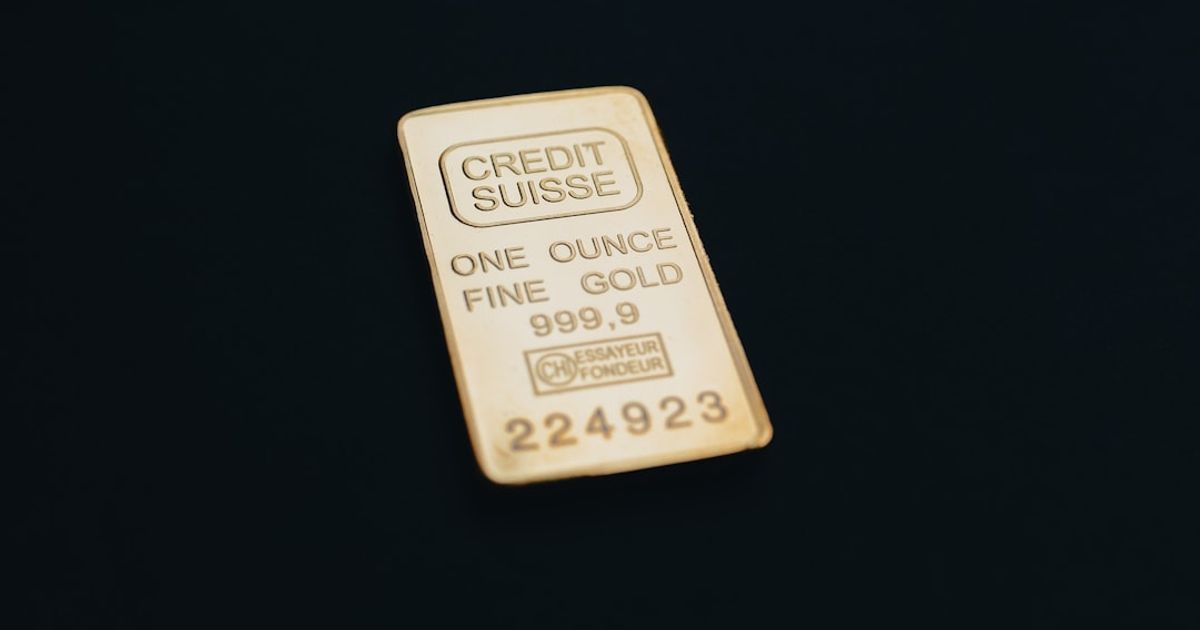
The recent Hormuz blockade triggered a volatile reaction in gold markets, highlighting structural shifts in inflation and global reserves.
Gold experienced a sharp 2% decline following President Trump's order to blockade the Strait of Hormuz, which sent oil prices soaring above $100 a barrel. This initial drop was driven by margin liquidation rather than a fundamental shift in gold's value. As traders holding leveraged positions in energy markets faced margin calls, they had to liquidate their most liquid assets, which included gold.
The geopolitical tensions intensified after failed U.S.-Iran nuclear talks led to this blockade, impacting around 20% of the world’s seaborne oil supply. The blockade announcement came Sunday evening after 21 hours of U.S.-Iran nuclear talks collapsed in Islamabad. Vice President Vance returned without a deal, with the sole sticking point being Iran’s nuclear program. In response, Trump ordered the Navy to blockade “any and all ships” trying to enter or leave the Strait, a crucial chokepoint for global oil trade.
While Brent crude surged over 7% in response, gold's decline was short-lived, as it rebounded to above $4,700 shortly thereafter. This rapid recovery highlights that the initial selling pressure was a liquidity issue, not a reflection of gold's underlying strength. The evidence of this recovery starting within hours demonstrates that safe-haven demand reasserted itself once the initial margin shock cleared. This pattern often repeats during geopolitical crises that spike energy prices; gold typically dips on liquidity squeezes before rallying on structural bids.
The implications of this incident extend beyond immediate price movements. The blockade adds a new layer of energy inflation to a stagflationary environment, characterized by a Consumer Price Index (CPI) already at 3.3%. With oil above $100 and Iran threatening to close the Bab el-Mandeb strait, another significant route for global energy supply, the inflation pipeline has grown longer and wider. The Federal Reserve's projected rate cuts have been priced out entirely, reflecting a shift in monetary policy expectations as inflation pressures mount.
Stablecoin Market Shrinks $10B Since May — Analysts Stay Calm
Stablecoins lose $10B since May, yet analysts aren't worried.
Central banks, including China’s People's Bank of China (PBOC), continue to buy gold, indicating a shift in global reserves. The PBOC has now acquired gold for 17 consecutive months, showcasing a strategic move to bolster their reserves amidst global uncertainty. Additionally, Goldman Sachs has recently raised its gold target to $5,400, while JPMorgan is projecting a price of $5,055 by Q4. These institutional players are positioning themselves for what they see as a structural shift in the dynamics of global trade and reserves, recognizing gold's enduring value.
The blockade further complicates the petrodollar system, which historically relies on the U.S. dollar for global oil transactions. As Iran threatened to close another key shipping route, nations like China have been experimenting with oil trades in yuan, challenging U.S. dollar dominance. This arrangement allows oil-exporting nations to receive yuan rather than dollars, thereby reducing demand for U.S. currency in global trade settlement. However, Trump’s blockade effectively disrupts this experiment by interdicting vessels operating outside the dollar system. The necessity of a naval blockade to defend the petrodollar underscores vulnerabilities in the system, while gold’s intrinsic value remains unaffected by such geopolitical maneuvers.
In a stagflationary climate, where real yields on cash are compressed due to rising inflation, gold serves as a hedge against purchasing power erosion. Investors face a pivotal choice: accept diminishing returns on paper assets or hold gold, which has maintained value through historical monetary crises. The recent events surrounding the Hormuz blockade did not alter gold's fundamental narrative; they reinforced its role as a safe haven amidst escalating energy costs and geopolitical uncertainty.
The 10-year Treasury yield has climbed to 4.40%, indicating that while it may appear profitable to hold cash, the reality is more complicated. With CPI at 3.3% and rising energy costs feeding through the supply chain, the real yield on savings—what is actually earned after inflation—is thinner than it seems. This makes the case for holding gold even stronger, as it does not lose purchasing power to inflation rates that central banks struggle to control without triggering a recession.
As the economic landscape evolves, with oil prices remaining elevated and inflation pressures mounting, the demand for gold as a hedge against instability is likely to grow. The market's immediate reaction to the Hormuz blockade reveals underlying dynamics that will shape investor behavior and institutional strategies in the coming months. Gold closed Friday at $4,749.46, and despite weekend trading seeing prices drop to approximately $4,649, by Monday morning, spot gold had recovered to approximately $4,730. This resilient performance underscores gold's enduring significance as a store of value in times of uncertainty, further solidifying its role amidst the changing economic climate.