
Goldman Sachs Cuts XRP, Solana ETF Holdings — Shifts Focus to Bitcoin
 By John Nada·May 18, 2026·3 min read
Goldman Sachs exits XRP and Solana ETFs in Q1 2026, shifts focus to Bitcoin. The bank maintains over $700M in Bitcoin ETFs, highlighting changing strategies.
US investment bank Goldman Sachs sharply reduced its exposure to cryptocurrency exchange-traded funds (ETFs) in the first quarter of 2026. According to Cointelegraph, Goldman Sachs' Q1 Form 13F filing with the US Securities and Exchange Commission showed no XRP-linked ETF holdings, a stark change from the nearly $154 million worth of XRP-related ETFs it reported at the end of 2025.
This pivot comes despite broader institutional interest in digital-asset ETFs remaining intact. However, the bank also pulled back from Solana-linked ETFs, which had recently entered the investment scene alongside the likes of the Grayscale Solana Trust ETF (GSOL) and the Bitwise Solana Staking ETF (BSOL). Both XRP- and Solana-linked ETFs were relatively fresh on the market, having launched in late 2025. Yet, Goldman Sachs opted to trim these positions as new altcoin offerings proliferated.
The reduction in XRP-related ETF holdings is significant, considering Goldman Sachs was the largest institutional holder of these products as of December 31, 2025. This decision is notable against the backdrop of broader institutional interest, where other firms have maintained or increased their positions in similar products. The quarterly 13F filings are closely watched by crypto investors as they provide insights into how major institutional asset managers are allocating capital across digital-asset investment products.
Early pullback from new crypto ETFs is not unprecedented, but Goldman Sachs' decision to exit both XRP and Solana ETFs entirely is a statement of the bank's strategic direction. The first spot XRP ETFs hit the market in mid-November 2025, and Solana ETFs began trading in late October, with additional funds rolled out in November. As issuers raced to bring new altcoin products to investors, Goldman Sachs' withdrawal may suggest a reevaluation of risk or a focus on more established cryptocurrencies like Bitcoin and Ethereum.
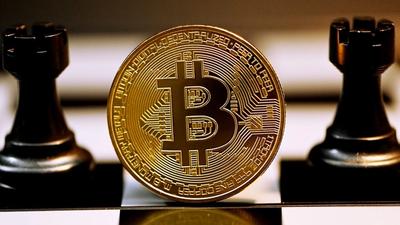
$2.97B Bitcoin ETF Outflows — Ten-Day Record Sets Market Reeling
Bitcoin ETFs face a record $2.
While scaling back on XRP and Solana, Goldman remained a significant player in Bitcoin and Ether ETFs. The bank held about $690 million in BlackRock’s iShares Bitcoin Trust ETF (IBIT) and $25 million in the Fidelity Wise Origin Bitcoin Fund (FBTC), even after a 10% reduction in both. This indicates a continued strong belief in Bitcoin as a core asset within its cryptocurrency strategy.
Goldman’s stance on Ethereum also shifted dramatically. Cointelegraph reported the bank reduced its position in the iShares Ethereum Trust (ETHA) by roughly 70%, leaving it with about 7.2 million shares valued around $114 million. The significant reduction in Ethereum holdings aligns with the bank's overall trimming of its crypto ETF portfolio but still reflects a substantial commitment to one of the leading cryptocurrencies.
Despite cutting stakes in major mining and infrastructure companies, such as BitMine Immersion Technologies (BMNR) and Riot Platforms (RIOT), the bank expanded its positions in notable firms like Coinbase Global (COIN) and PayPal Holdings (PYPL). This strategic shift hints at a nuanced approach to crypto investments, reflecting Goldman's broader market adaptations. Goldman Sachs increased its exposure to several names, led by a 249% jump in Circle Internet Group (CRCL) and a 205% rise in Galaxy Digital (GLXY), indicating confidence in companies directly involved in the cryptocurrency ecosystem beyond just mining.
Goldman Sachs' strategic pivot away from XRP and Solana ETFs, while retaining significant holdings in Bitcoin and Ethereum assets, reveals a carefully considered approach to navigating the volatile cryptocurrency market. As the bank continues to adapt its strategies, the focus on established cryptocurrencies and related equities suggests a preference for stability amid the rapid changes in the digital-asset landscape.