
Gold Surpasses $5,000 Amid Rising Geopolitical Tensions
 By John Nada·Feb 20, 2026·5 min read
Gold's rise above $5,000 signals a significant shift in investor sentiment amid geopolitical tensions and economic uncertainty. Silver's surge also highlights a growing demand for precious metals.
Gold has surged above $5,000, marking a significant milestone in its ongoing rally. The move highlights a broader trend in precious metals, with silver also clearing $80 as investors seek refuge amid economic uncertainty.
Gold's year-over-year increase of over 70% is one of the strongest in modern history, alongside a staggering rise of approximately 170–175% over the past three years. This is not merely a speculative trend; it reflects a strategic repositioning of capital as investors respond to heightened geopolitical tensions, escalating government debt, and concerns over central bank independence.
As trust in institutional frameworks wanes, hard assets like gold gain traction as safe havens. Jerome Powell, in his final months as Chair of the Federal Reserve, emphasizes the importance of Fed independence, which is critical for maintaining stable inflation and functioning markets. Any perceived threats to this independence can lead to rising long-term yields and a weakening dollar, contributing to a volatile investment landscape.
The ongoing military posturing from the U.S. amid geopolitical tensions has also captured investor attention. While no final decisions have been made, the visible buildup of military forces tends to heighten demand for safe-haven assets. Historically, such periods of uncertainty push energy prices higher and disrupt global trade, adding a complex layer of inflation that is difficult to manage. Investors are acutely aware that prolonged geopolitical strife can have far-reaching consequences, impacting markets beyond immediate concerns.
The news surrounding military positioning is not just noise; it reflects a broader narrative of risk that investors are constantly weighing. President Trump’s assertion that American forces are prepared if diplomacy fails adds to the sense of urgency. The market does not wait for certainty; it begins to price in risks as they develop. Defense stocks typically benefit in the short term from such announcements, while broader equities often exhibit volatility as traders assess the various scenarios of escalation.
On the regulatory front, the Supreme Court's deliberations over President Trump's emergency tariff powers are closely monitored by Wall Street. The potential for a ruling that could invalidate key tariffs hangs over the market, creating an environment ripe for volatility. Analysts are divided on the potential fallout; however, the uncertainty itself poses a risk that could sway investor sentiment and market stability.
This legal uncertainty is a significant factor in the current market dynamics. If the Court strikes down these tariffs, it could lead to a recalibration of market expectations regarding revenue and policy stability. While some analysts believe that any immediate equity market reaction would be short-lived due to possible alternative legal strategies by the administration, others caution that such a ruling could lead to heightened Treasury yields and an overall risk-off sentiment across markets.
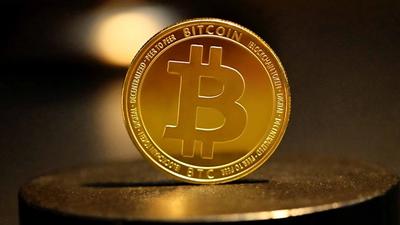
Bitcoin Below $75,000 — ETF Outflows and Market Weakness Collide
Bitcoin drops below $75,000 as ETF outflows and market weakness weigh heavily.
Despite these pressures, retail investors appear to be relatively undeterred, with global equity funds experiencing significant inflows. This renewed confidence in risk assets could signal a recovery, but it also raises questions about whether investors are becoming too complacent amidst ongoing volatility and uncertainty. The juxtaposition of rising gold prices and strong retail participation in equities indicates a complex sentiment landscape.
Investors are chasing returns in markets that are still navigating inflation, policy uncertainty, and unresolved geopolitical risks. Data from EPFR/LSEG reveals that notable net purchases have been made across major fund categories, suggesting that confidence in risk assets is rebuilding after recent turbulence. This phenomenon is worth paying attention to, as it reflects a shift in investor sentiment.
However, the bigger picture prompts a critical question: how much of the current optimism is predicated on favorable outcomes, and how little is leaving room for potential adverse developments? The interplay between optimism and caution will be critical in shaping future trends as the global financial landscape evolves.
The current dynamics suggest that gold and silver will continue to shine as investors grapple with the complexities of the financial system. The growing pressure from geopolitical tensions and economic uncertainty is likely to sustain the demand for hard assets. As institutional and retail participation increases, the importance of precious metals as a reliable store of value becomes more pronounced, especially when confidence in traditional monetary systems weakens.
In essence, the recent movements in gold and silver reflect a deeper narrative about trust, institutional credibility, and the shifting landscape of global finance. As geopolitical and economic pressures mount, the role of precious metals as a safe haven is more pronounced than ever, making them an essential consideration for investors navigating this complex environment. The return to hard assets like gold isn't merely about price; it's about the fundamental need for security in an increasingly uncertain world.
As inflation pressures persist and government debt remains elevated, the scenario for gold appears promising. Investors are often compelled to seek out assets that do not rely on institutional credibility. This is particularly evident in times of political scrutiny over monetary policy, which can lead to unpredictable outcomes in equities and bonds.