Gold Prices Plummet After Shift in War Rhetoric and Strong Jobs Data
 By John Nada·Apr 5, 2026·5 min read
Gold prices fell sharply after the White House indicated the continuation of military efforts in Iran, compounded by strong jobs data affecting Fed rate expectations.
Gold prices experienced a dramatic reversal after a White House address indicated the continuation of the US and Israel's military campaign against Iran. This announcement, which dampened hopes for a swift resolution to the conflict, caused spot prices to drop sharply from a high of $4,785 per ounce to approximately $4,676 by Friday. The decline followed a week of gains, where gold had initially surged due to expectations surrounding the ending of hostilities.
Throughout the early part of the week, gold was buoyed by optimism that geopolitical tensions and rising energy prices would lead to a quicker resolution of the conflict. Prices had climbed from around $4,200 per ounce on Monday, reflecting a market eager for stability and a return to normalcy. Investors had begun to reassess the potential duration of the conflict and were encouraged by signals from the White House suggesting a desire for a swift conclusion. However, the shift in rhetoric from the White House quickly reversed the momentum, leading to a significant decrease in gold's value as the US Dollar strengthened in response.
Adding to the pressure on gold prices was a stronger-than-expected jobs report for March, which raised doubts about near-term interest rate cuts from the Federal Reserve. The jobs report indicated a robust labor market, which has traditionally been viewed as a sign of economic health. This shift in data suggests that the potential for a prolonged period of higher interest rates could weigh heavily on gold's attractiveness as a hedge against inflation. The jobs report's implications for monetary policy indicate that gold's recent rally, while notable, may not be sustainable in light of a potentially hawkish Fed stance.
The market's immediate reaction underscores the sensitivity of gold prices to geopolitical developments and economic data. As traders digest the implications of the US administration's military strategy and the Fed's monetary policy, gold's role as a safe haven will be tested. Investors will likely remain cautious, keeping a close eye on both geopolitical tensions and economic indicators that could influence market sentiment.
Looking ahead, gold's performance will hinge on the evolving narrative surrounding the conflict in Iran and the Fed's monetary policy decisions. The interplay between geopolitical stability and economic health will be critical in determining whether gold can regain its upward momentum or continue on this downward trajectory. With the potential for ongoing volatility in both markets, investors should prepare for a challenging environment ahead.
The week began with a surge in gold prices as markets enthusiastically priced in hopes for a quicker end to the US and Israel’s military campaign against Iran. By Wednesday evening, spot prices had climbed to an impressive high of $4,785 per ounce, a significant increase from the $4,200 per ounce on Monday morning. This rapid ascent highlighted the market's readiness to react to geopolitical developments and the ever-changing landscape of international relations.
The early gains were largely driven by traders reassessing their expectations regarding the duration of the conflict. Statements coming from the White House indicated a desire for a swift resolution, which led many investors to speculate that the US administration might even consider ending hostilities without fully reopening the strategically vital Strait of Hormuz, a key chokepoint in global oil supply. Such optimism, however, was short-lived as the administration's rhetoric shifted dramatically.
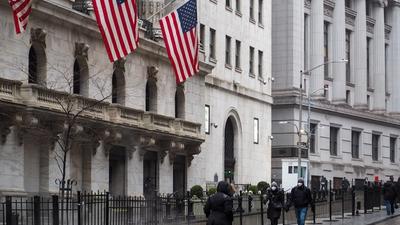
Banks Set Stage—Big Earnings and Inflation Data Loom
Q2 earnings kickoff sees banks and tech giants under the spotlight.
As the week progressed, the narrative shifted sharply with a White House address that indicated the military campaign would continue. This pivot in communication not only dampened hopes for a quick resolution but also sent the US Dollar soaring, which in turn had a negative impact on gold prices. Gold, which is often seen as a safe-haven asset during times of uncertainty, became less attractive as the Dollar strengthened, leading to a sharp decline of roughly $200 per ounce between the Hong Kong and London opens.
Moreover, the stronger-than-expected jobs report released on Friday added fuel to the fire, further pressuring gold prices. The report, which showed robust employment figures, raised the odds that the Federal Reserve may maintain a higher interest rate policy for an extended period. This scenario is particularly concerning for gold investors, as higher interest rates typically translate to higher opportunity costs for holding non-yielding assets like gold.
Despite the final-day drop, it’s worth noting that gold still marked a gain of approximately +$300 per ounce for the week, a testament to the volatility and responsiveness of the market. The precious metal's ability to rebound earlier in the week showcased its underlying strength amidst geopolitical tensions, but the rapid reversal serves as a reminder of how swiftly market sentiment can shift.
As traders and investors navigate this landscape, the sensitivity of gold prices to both geopolitical developments and economic data cannot be overstated. The market is currently in a state of flux, with traders eager to understand the implications of the US administration’s military strategy and the Federal Reserve’s monetary policy decisions.
In this context, the future trajectory of gold prices will be influenced not only by ongoing geopolitical tensions but also by key economic indicators. Investors will need to remain vigilant, as any signs of escalation in the conflict or shifts in economic data could lead to further fluctuations in gold prices.
As the situation unfolds, the critical question remains: will gold regain its upward momentum, or will it continue on this downward path? The interplay between geopolitical stability and economic health will certainly be pivotal in determining the direction of gold prices in the coming weeks.