
Gold Futures Slide 11.6% in June — Inflation Dynamics at Play
 By John Nada·Jun 27, 2026·5 min read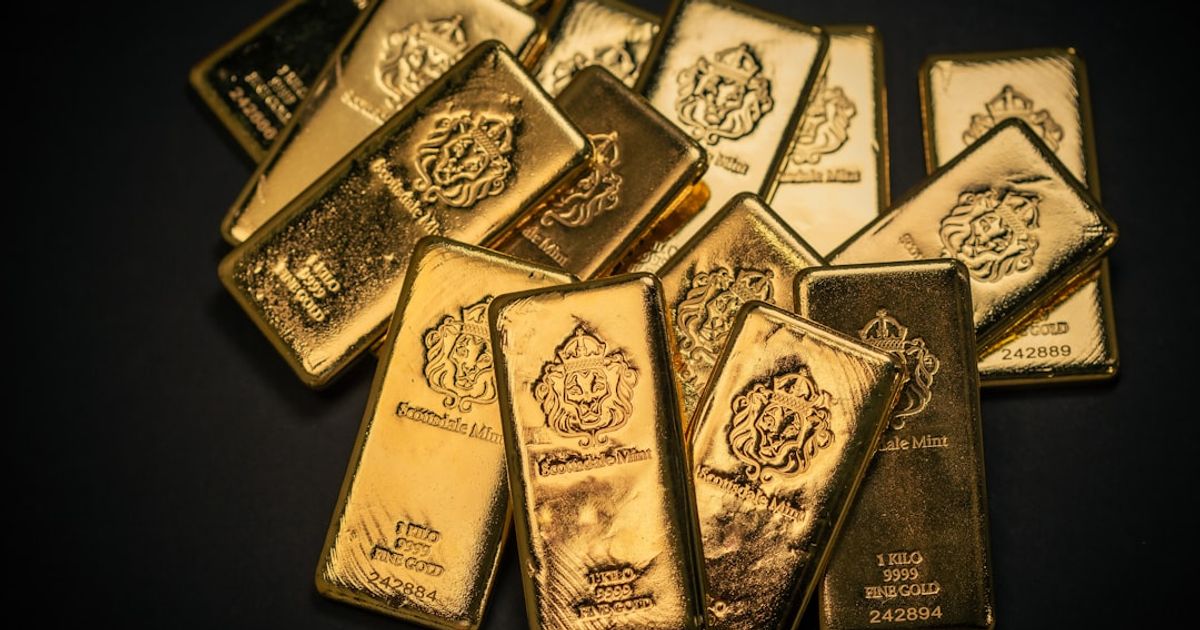
Gold futures dropped 11.6% in June amid inflation dynamics. Experts weigh gold's inflation-hedging role, with Fed's rate decisions in focus.
Gold's glitter seems to be dimming as it records a notable 11.6% drop since the beginning of June, Yahoo Finance reports. This morning, gold futures opened at $4,044.40 per troy ounce, hinting at a slight upward nudge to $4,066 by 7:39 a.m. ET, but it's a meager rebound in the grand scheme.
The precious metal has been on a rocky journey lately. Compared to last week, it's down 5.5%, and while its one-year gain stands at a hefty 21.4%, the recent plummet has gold investors raising eyebrows. Much of this downturn could be linked to the latest Personal Consumption Expenditures (PCE) index, which climbed 4.1% year-over-year in May. Yet, the 0.4% month-over-month rise fell short of expectations, potentially keeping the Federal Reserve's interest rate moves on ice.
Gold, often a haven during inflationary times, is in a paradoxical bind. The Fed's choice to hold rates steady, despite inflation rumblings, might nudge gold prices to recover slightly. But investors are left in a holding pattern, waiting to see if the Fed leans toward hiking rates if inflation doesn't ease.
Despite the roller coaster, experts still tout gold's stability in a diversified portfolio. Vince Stanzione of First Information advocates up to a 20% allocation in gold, citing its inflation-hedging prowess. Yet, others like Robert R. Johnson of Creighton University argue against it for younger investors, emphasizing lost long-term gains.
The bigger picture remains fraught with questions. As central banks juggle monetary policy and inflation targets, gold's path looks anything but straightforward. Will inflation plateau, sending gold back to its luster, or will the metal languish, caught in the crosshairs of economic uncertainty?
The recent PCE index results underscore the delicate balance the Federal Reserve must maintain in managing inflation without stifling economic growth. The index's 4.1% year-over-year increase marks the highest level in three years, highlighting persistent inflationary pressures. However, the monthly increase of just 0.4% suggests a potential slowdown, leaving the Fed at a crossroads regarding interest rate adjustments.
For investors, the fluctuating gold prices amidst these inflation dynamics present both challenges and opportunities. While gold's traditional role as a hedge against inflation is being tested, its performance over the past year indicates its enduring value in uncertain times. The one-year gain of 21.4% reveals that despite short-term volatility, gold's long-term prospects remain appealing.
Investment strategies regarding gold vary widely among experts. Robert R. Johnson of Creighton University cautions younger investors against significant gold allocations, arguing that the trade-off between reduced portfolio volatility and potentially lower long-term returns is unfavorable. His perspective suggests that younger investors, with longer investment horizons, might be better served by focusing on equities and assets with higher growth potential.
Trump Admin Clears Anthropic's Mythos 5 Model for Limited Release
The U.
In contrast, Vince Stanzione advocates for a substantial 20% allocation in gold, emphasizing its role in wealth preservation. He highlights gold's ability to maintain purchasing power amidst currency devaluation and inflationary trends. This viewpoint aligns with those seeking to protect their wealth against economic uncertainties, particularly in times of geopolitical unrest and financial instability.
Other experts offer a more moderate approach to gold allocation. Brett Elliott recommends a 2% to 5% allocation, depending on individual investment goals. He acknowledges that while growth-oriented investors might prefer a higher allocation, those focused on income generation might lean towards a smaller position, given gold's lack of yield.
Blake McLaughlin supports a balanced approach, suggesting a 5% to 8% allocation based on historical data. He points to gold's resilience during economic uncertainty and geopolitical tensions as key attributes that make it a valuable component of a diversified portfolio.
Thomas Winmill presents a flexible strategy, advocating a 5% to 15% allocation depending on risk tolerance and the mix of financial versus hard assets in one's portfolio. He suggests that investors with a higher proportion of financial assets, like stocks and bonds, might benefit from a larger gold allocation.
As investors navigate these complex dynamics, the importance of gold as a component of a diversified portfolio becomes increasingly evident. The varying expert opinions on gold allocation underscore the need for individual investors to assess their risk tolerance, investment goals, and the broader economic landscape when making allocation decisions.
In addition to the quantitative analysis, the psychological aspect of investing in gold cannot be overlooked. The allure of gold as a tangible asset, with historical significance and intrinsic value, continues to captivate investors. This psychological factor, coupled with its role as a hedge against currency devaluation and inflation, reinforces gold's status as a strategic asset in times of economic uncertainty.
With the ability to track gold prices 24/7 using platforms like Yahoo Finance, investors are better equipped than ever to make informed decisions. The accessibility of real-time data allows for a more agile approach to managing gold investments, enabling investors to respond swiftly to market changes and economic indicators.
Ultimately, the current landscape presents a nuanced picture of gold's role in the investment world. As central banks, including the Federal Reserve, navigate the complexities of monetary policy and inflation management, gold's future trajectory will likely be shaped by these macroeconomic factors. For investors, understanding these dynamics and aligning their strategies with their financial objectives will be key to optimizing their portfolios in the face of ongoing economic uncertainty.