Gold and Silver Prices Steady Amid Rising Inflation Concerns
 By John Nada·Apr 11, 2026·7 min read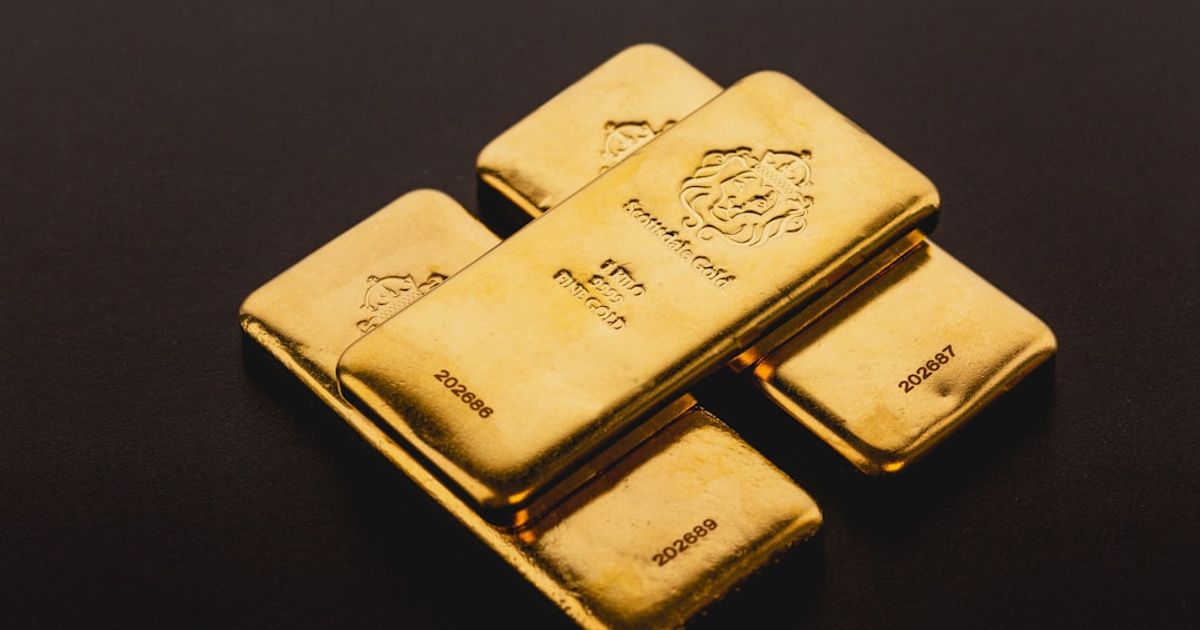
Gold and silver prices remain steady as inflation concerns linked to the Iran war rise. The upcoming CPI report may validate these inflation fears.
Gold futures opened at $4,790.50 per troy ounce on Friday, marking a 0.6% decline from Thursday's close of $4,818. Silver futures, on the other hand, opened at $75.50 per ounce, down 1.2% from $76.44. These movements come as inflation concerns tied to the ongoing Iran war continue to weigh on the market. The geopolitical tensions stemming from Iran's actions have created a ripple effect throughout the global economy, prompting investors to seek the safety of precious metals as a hedge against rising prices.
The Consumer Price Index report for March, released today, is expected to provide critical insights into inflation trends. Economists predict a rise in inflation to 3.4% for March, a significant increase from February's 2.4%. This expected uptick is largely attributed to rising oil and gas prices, which have surged substantially since the onset of the conflict in Iran. Specifically, the closure of the Strait of Hormuz—a vital maritime route for global oil transportation—has become a primary catalyst for these rising costs. The Strait is also crucial for the transportation of fertilizers, and a supply shock in this region could further exacerbate food prices, adding another layer of concern for the economy.
The potential for a prolonged inflation spike could compel the Federal Reserve to raise interest rates, a move that typically dampens demand for gold as a safe haven. Higher borrowing costs often lead to decreased consumer spending, which can slow down economic growth and further influence market sentiment regarding precious metals.
In recent weeks, gold prices have faced pressure as inflation fears mount. Over the past week, gold has increased by 0.5%, yet it has decreased by 6.8% over the past month, while showing a notable increase of 55.8% year-on-year. This year-on-year growth reflects the ongoing volatility and the importance of gold as a store of value amidst economic uncertainty. Silver has similarly seen fluctuations, with a 2.4% rise in the last week but a substantial 13.3% drop over the past month. Year-on-year, silver prices have surged by an impressive 143.3%, indicating a strong demand for the metal as both an industrial input and an investment vehicle.
Experts are divided on the optimal gold allocation for portfolios, indicating a broad range of strategies. Some suggest maintaining a minimal allocation, while others advocate for up to 20% to hedge against inflation. Robert R. Johnson, a professor at Creighton University’s Heider College of Business, cautions that a small gold position might lower volatility but could also diminish long-term returns, especially for younger investors with longer time horizons. He emphasizes the trade-off between maintaining a small position in gold for stability and the potential for higher returns in other asset classes.
Conversely, Vince Stanzione, CEO of First Information, argues for a more significant gold exposure, emphasizing its role as an inflation hedge. He asserts that gold maintains purchasing power as fiat currencies face devaluation globally. Stanzione's perspective reflects a growing sentiment among investors who view gold as a necessary protection against the erosion of wealth due to inflation. The debate over gold's role in investment portfolios underscores its complex relationship with market dynamics and inflationary pressures.
Recent trends illustrate how geopolitical events can significantly impact precious metal prices. As the situation in Iran unfolds, market participants are closely monitoring these developments, as they may influence broader economic conditions. With the potential for increased military conflict or sanctions, the stability of oil supplies and prices remains a critical concern for both domestic and international markets. The gold market's response to inflation data and geopolitical tensions will be critical in shaping investor strategies and central bank policies moving forward.
Understanding the interplay between inflation, interest rates, and precious metal prices is essential for institutional investors navigating current market volatility. As inflation expectations rise, the demand for gold as a hedge could intensify, but potential interest rate hikes may counteract this trend. Investors must remain vigilant as they balance their portfolios amid these shifting economic landscapes.
DOJ Drops $722M Crypto Fraud Charges — Blockbuster U.S. Crypto Enforcement Shift
DOJ moves to drop charges against BitClub founder in $722M fraud case.
A closer look at historical data reveals that gold has often been a reliable hedge against inflation. Over the past several decades, gold prices have generally risen in periods of high inflation, affirming its reputation as a safe-haven asset. For instance, the current year-on-year increase of 55.8% in gold prices highlights the metal's enduring appeal during challenging economic conditions. Investors are often advised to consider gold not only as a hedge against inflation but also as a means of diversifying their portfolios to reduce risk.
As investors navigate this complex landscape, they must also consider the impacts of rising interest rates on their gold holdings. Historically, when interest rates rise, the opportunity cost of holding non-yielding assets like gold increases, leading to reduced demand. Therefore, while gold may serve as a hedge against inflation, its performance can be adversely affected by the actions of central banks. This dynamic highlights the need for investors to stay informed about monetary policy decisions and economic indicators that may influence the gold market.
In terms of allocation strategies, various financial experts provide differing recommendations based on individual investment goals and risk profiles. Brett Elliott, director of content and SEO at American Precious Metals Exchange (APMEX), suggests that growth-oriented investors may be comfortable with an allocation of 10% or 15%. On the other hand, income-focused investors might prefer a smaller position due to gold's lack of yield, recommending a 2% to 5% allocation as a means of achieving some resiliency without excessive drag on income potential.
Blake McLaughlin, executive vice president at Axcap Ventures, aligns with historical data supporting a gold allocation of 5% to 8%. He notes that while gold may not offer the outsized return potential of private investments, its attributes—such as resilience amid economic uncertainty and geopolitical unrest—are increasingly hard to ignore. This perspective resonates with many investors who prioritize stability and wealth preservation in their portfolios.
Thomas Winmill, portfolio manager at Midas Funds, believes that most investors will benefit from a long-term gold allocation of 5% to 15%. He specifically advocates investing in gold mining companies through a mutual fund, highlighting the potential for growth in this sector while still gaining exposure to gold itself. Investors are encouraged to assess their risk tolerance and current mix of financial versus hard assets when determining their appropriate allocation to gold.
Vince Stanzione's recommendation for a 20% gold allocation, especially in physical gold or a gold ETF, exemplifies the growing trend among investors to bolster their portfolios with tangible assets. Stanzione's assertion that gold retains its purchasing power while fiat currencies are devaluing underscores the importance of strategic allocation in times of economic uncertainty. As inflationary pressures mount, investors may find that a robust allocation to gold offers protection against the unpredictable nature of both the economy and geopolitical developments.
With the gold market remaining under scrutiny, investors are encouraged to monitor price trends closely. The flexibility to adjust allocations in response to changing market conditions can be crucial for maintaining a balanced portfolio. As the market navigates the currents of inflation and geopolitical tensions, the strategies adopted by investors will play a significant role in determining their financial outcomes.
Ultimately, the ongoing geopolitical tensions and rising inflation could have lasting implications on the gold and silver markets. For institutional investors, these developments highlight the importance of actively managing allocations to precious metals in response to changing macroeconomic indicators and market conditions. The gold market will likely continue to be influenced by a combination of inflationary pressures, interest rate policies, and geopolitical events, making it essential for investors to stay informed and responsive to these factors.