Geopolitical Tensions Weigh on Crypto as Trump Signals Escalation
 By John Nada·Apr 2, 2026·4 min read
Trump's recent threats against Iran trigger a sell-off in crypto markets, reversing earlier gains and highlighting the impact of geopolitical tensions.
Bitcoin, Ethereum, and Solana faced significant sell-offs following U.S. President Trump's national address, which threatened to escalate military actions against Iran. This announcement contradicted the market's hopes for de-escalation, which had fueled a brief rally in crypto and equity markets just days prior.
Trump's remarks indicated a commitment to increasing pressure on Iran without providing a clear strategy for resolution. In the wake of the speech, Bitcoin fell 2.2% to $66,609, while Ethereum and Solana dropped 2.2% and 5.2%, respectively. The sell-off was part of a broader risk-off sentiment that also saw oil prices jump over 5%, reflecting increased geopolitical uncertainty.
The market had been buoyed earlier in the week, driven by comments from Trump suggesting a potential end to hostilities. His earlier statements had led to a sharp global rally, with Asian stocks surging by 4% and S&P 500 futures jumping significantly. The optimism marked a stark contrast to the mood following his recent address, which lasted nearly 20 minutes but offered no new insights into U.S. policy towards Iran. Instead, Trump reiterated his intention to hit Iran "extremely hard" over the next two to three weeks.
This lack of a clear strategy or pathway to a ceasefire contributed to the swift market reversal. The Strait of Hormuz, a crucial oil shipping lane, remains effectively shut down, and Trump suggested it would only reopen "naturally" once hostilities subside, without giving any timeline. As a result, Brent crude oil prices surged to over $106 a barrel, further exacerbating market fears and leading to significant declines across equities and cryptocurrencies.
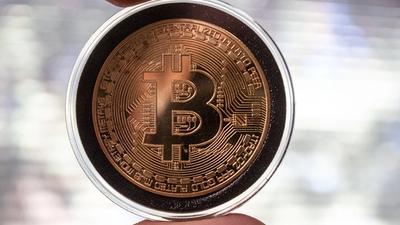
The sell-off also highlighted the vulnerability of digital assets like Bitcoin to international tensions. With Bitcoin oscillating between approximately $60,000 and $73,000 over the past five weeks, the crypto market has shown a pattern of reacting sharply to headlines of both escalation and de-escalation in geopolitical conflicts. The Fear and Greed Index, currently sitting at 8, indicates extreme fear in the market, reflecting the uncertainty traders feel amid ongoing geopolitical strife.
This environment of volatility is becoming increasingly familiar to crypto investors. The past week saw Bitcoin give back gains earned earlier, demonstrating the market's sensitivity to external events. Every major token in the top ten experienced declines, with Ether sliding 2.2% to $2,056, BNB falling 3.9% to $591, and XRP losing 2.5% to $1.31, as Solana's SOL led the losses at 5.2%, extending its weekly decline to 13%.
Despite these challenges, there is historical precedent for optimism in April, a month that has typically been strong for Bitcoin. Historically, Bitcoin has ended positively in two-thirds of the years analyzed, with an average gain of 20.9%. However, the ongoing conflict and its impact on market sentiment introduce a significant variable that could overshadow these seasonal trends.
The current market dynamics also reveal a growing correlation between cryptocurrencies and traditional risk assets. As geopolitical tensions escalate, the interdependency between these markets becomes evident, as seen in the synchronized movements of crypto prices and traditional equities. Traders are increasingly recognizing that digital currencies are not immune to macroeconomic forces, which may influence their trading strategies moving forward. The recent sell-off indicates that traders are actively positioning for further downside, with funding rates turning negative and open interest rising, suggesting a bearish outlook.
The interplay between geopolitical events and financial markets will likely dictate the direction of cryptocurrencies in the near term. As traders react to macroeconomic news and global developments, the potential for rapid shifts in sentiment remains high. With the situation in Iran remaining fluid, market participants should brace for continued volatility, reinforcing the need for vigilance among investors and stakeholders in the crypto ecosystem. The current environment illustrates how external factors can significantly influence market trajectories, often leading to unexpected outcomes.