
Geopolitical Tensions and Market Shifts Drive Gold and Silver Prices Higher
 By John Nada·Feb 21, 2026·4 min read
Amid geopolitical tensions and a Supreme Court ruling, gold and silver prices surge, reflecting shifts towards safe-haven assets and industrial demand.
Gold and silver prices surged in futures trading following a Supreme Court ruling declaring President Trump's tariff plan unconstitutional. However, this rise correlates more with ongoing geopolitical tensions, particularly concerning Iran, than with the court's decision. Investors are moving towards safe-haven assets as uncertainty looms over potential military actions in the Middle East.
The Supreme Court's ruling on the tariff plan has caused significant discussions around its implications for the U.S. economy, but the immediate effects on the gold and silver markets are more closely tied to international politics. The Trump Administration's consideration of military action against Iran has heightened existing fears of conflict in the Persian Gulf. As history has shown, such geopolitical crises often lead to increased volatility in the markets. Investors traditionally flock to gold and silver during times of uncertainty, and the current circumstances are no exception.
Silver has shown notable volatility, recently exceeding JPMorgan Chase's revised price target of $81 an ounce. It traded above $82, up nearly 6% for the week, although this marks a significant drop of nearly 38% from its peak of $121.785 per troy ounce at the end of January. This fluctuation underscores the metal's sensitivity to market dynamics, especially in light of the rising tensions in the Middle East that have historically prompted a shift to precious metals as safer investments.
In early February, as the prospect of military action loomed, silver prices experienced a dramatic shift. After falling to a low of $72 an ounce on February 16, the metal rallied sharply, driven by three key factors: the ongoing fears of potential hostilities in the Persian Gulf, the anticipated growth in industries reliant on silver, and the persistent inflationary pressures that encourage central banks to increase their gold and silver reserves. The geopolitical landscape, particularly concerning Iran, has created an environment where investors are increasingly seeking the safety of precious metals, a trend that has been observed repeatedly over the past year.
Moreover, the broader market context reveals that the U.S. Dollar Index has decreased by over 10% since late 2024, prompting central banks to increase their gold and silver purchases as hedges against inflation and currency depreciation. The weakened dollar has historically led investors to seek refuge in tangible assets such as gold and silver, further driving prices upward. With inflation concerns mounting and the potential for further currency depreciation, the demand for these precious metals is likely to continue.
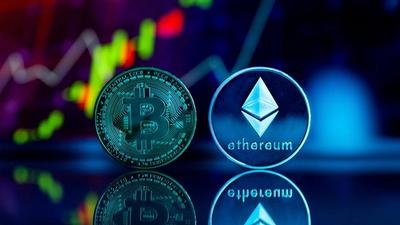
Bitcoin Miner Inflows to Binance Surge—Market Faces $75K Test
Bitcoin miner inflows to Binance exceed 20,000 BTC, testing the $75,000 support zone.
As the situation evolves, the technological advancements in data centers and artificial intelligence have also contributed to the increased demand for silver. The expansion of AI technologies has created a robust market for silver, which is a critical component in many of these applications. This industrial demand, coupled with the safe-haven status of silver, positions the metal favorably in the current market environment.
As market conditions remain unstable, ongoing geopolitical tensions and economic challenges suggest that the outlook for both silver and gold is likely to remain bullish, albeit with expected volatility ahead. The interplay between these factors creates a complex environment for investors, who must navigate both the geopolitical landscape and market dynamics.
The relationship between gold and silver prices and broader economic indicators cannot be overstated. As gold and silver rose, many related investments moved higher as well. Exchange-traded funds that buy precious metals saw an uptick in their performance. For instance, the iShares Silver Trust ETF rose by 7.9%, while SPDR Gold Shares ETC increased by 1.9%. Other mining-related stocks also reflected this trend, with the Global X Silver Miners ETF climbing 4.4%, Hecla Mining up 5.2%, and Pan American Silver seeing a rise of 5.8%. Notably, Freeport-McMoRan's stock increased by 2.6%, demonstrating a broader market response to the rising prices of precious metals.
However, not all companies in the gold sector experienced gains. Newmont Corp. faced challenges, with its stock down 2.6% after issuing a warning that production in 2026 might decline slightly from 2025 levels. This highlights the intricacies within the mining sector, where individual company performance can vary significantly based on operational factors and market conditions.
Looking back at recent trends, both silver and gold experienced remarkable growth in 2025, with silver jumping approximately 145% and gold climbing 65%. This bullish trend has continued into 2026, with both metals rising an additional 16.5% thus far this year. Investors are keenly aware of these trends, and as the market continues to react to geopolitical events, the performance of gold and silver will likely remain at the forefront of investment strategies.