
FTX and Alameda Executives Face Wall Street Ban: What It Means for Crypto's Future
 By John Nada·Dec 19, 2025·3 min read
The SEC's proposed ten-year ban on FTX executives signals a pivotal moment for crypto regulations, emphasizing accountability while shaping the industry's future landscape.
The recent proposal by the Securities and Exchange Commission (SEC) to bar key executives from FTX and Alameda Research from Wall Street for up to ten years highlights the ongoing ripple effects of the collapse of one of the industry's most high-profile exchanges. This decision underscores the regulatory tightening that has been taking shape since the downfall of FTX, illuminating the future landscape of cryptocurrency regulations. With this significant move, the SEC aims to hold accountable not only the founders but also the corporate culture that allowed such upheaval to occur, marking a pivotal moment in the intersection of crypto and traditional finance.
This proposed ban comes as a part of the SEC’s broader strategy to fortify market integrity and protect investors from similar incidents in the future. The individuals affected include some of FTX's highest-ranking officials, who played crucial roles in the exchange's operations during its meteoric rise and dramatic fall. The SEC is positioning itself to deter future mismanagement and fraud by imposing these penalties, emphasizing that indulging in risky financial practices won’t go unnoticed.
In an environment where billions of dollars evaporated overnight, the SEC's actions further elevate scrutiny over cryptocurrency exchanges and their governance structures. The regulatory body is increasingly focusing on operational transparency and accountability, which are essential for building trust among both retail and institutional investors. Historically, regulatory crackdowns tend to follow significant market abuses, and the SEC's recent focus is reminiscent of past enforcement actions in traditional finance that sought to clean up damage after massive financial failures.
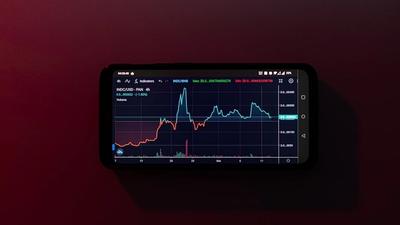
XRP Hits 15-Week Low — Sellers Outpace Exchange Outflows
XRP hits a 15-week low at $1.
While some industry players may view this as a necessary step towards legitimate market functioning, others argue it places undue burden on emerging crypto enterprises trying to innovate. The crypto sector thrives on decentralization and autonomy, yet incidents like FTX's collapse make it clear that regulatory oversight is imperative to safeguard investor interests. The balancing act between fostering innovation and ensuring compliance is one that both regulators and crypto advocates must navigate carefully.
Moreover, the implications of these penalties may extend beyond FTX and Alameda, as the SEC's posture could set a legal precedent for future cases involving cryptocurrency executives. Investors and analysts will undoubtedly keep a keen eye on how this influences other platforms within the digital asset space. Should the SEC's proposed actions be approved, we might see a wave of self-regulation among exchanges as they strive to adhere to emerging standards.
Understanding the impact on market sentiment is crucial as the crypto landscape evolves. Currently, Bitcoin is trading around $30,000, holding steady despite the scrutiny facing exchanges and regulatory bodies. This resilience suggests that while investors remain cautious, there is an underlying strength in the market that could weather these regulatory storms. The broader adoption of cryptocurrencies could still flourish, particularly if future regulations encourage a safer trading environment.
As the rules tighten, the crypto space may eventually emerge stronger, albeit transformed. The proposed bans against FTX and Alameda executives reveal a growing commitment from regulators to harness accountability while stimulating trust in a previously volatile market. This moment stands as both a warning to other crypto executives and a signal to investors that the regulatory landscape is changing. Recent trends show institutional investment is gearing more towards projects with robust compliance frameworks, hinting that as regulation solidifies, the crypto economy may further establish itself within mainstream finance, positioning for enduring legitimacy in the years to come.