DOJ's Fed Investigation Threatens Warsh's Confirmation Amid Cost Overruns
 By John Nada·Apr 22, 2026·4 min read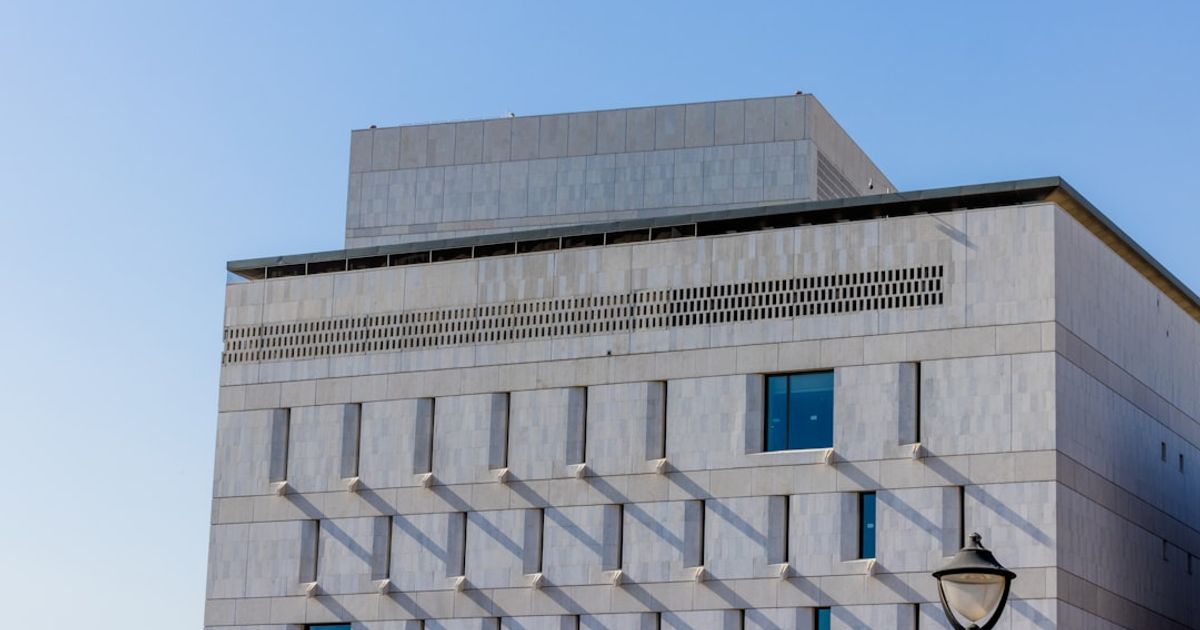
The DOJ's investigation into the Fed raises concerns about political interference, threatening Kevin Warsh's nomination and the Fed's independence.
U.S. Attorney Jeanine Pirro remains steadfast in her investigation of the Federal Reserve, which has implications for the nomination of Kevin Warsh to replace Jerome Powell as chair. This criminal probe centers on alleged significant cost overruns related to the renovation of two historic Fed buildings in Washington. Powell has accused the Department of Justice (DOJ) of targeting him for resisting President Trump's demand for lower interest rates, raising concerns about the Fed's autonomy from executive influence.
Senator Thom Tillis has indicated he will block Warsh's nomination until the DOJ drops its investigation. The situation has escalated tensions regarding the Fed's independence, a critical issue as the central bank navigates its role in monetary policy. During a press conference, Pirro affirmed her commitment to the inquiry, stating that the cost overruns exceed a billion dollars and insisting on the legitimacy of her investigation despite legal challenges. The investigation has faced judicial hurdles, with a federal judge blocking grand jury subpoenas, suggesting they were issued to exert pressure on the Fed's board.
Judge James Boasberg's ruling has compelled Pirro to appeal, emphasizing a perceived overreach of judicial authority that could set a precedent for future investigations. This ongoing legal battle not only complicates Warsh's nomination process but also highlights tensions between the executive branch and the Fed during a politically charged climate. Trump, who appointed Powell, has expressed continued support for the DOJ's inquiry, asserting the need for accountability regarding the Fed's renovation costs. While the actual estimated cost is around $2.5 billion, Trump's claims amplify scrutiny on the Fed's financial management.
The fallout from this investigation could reshape perceptions of the Fed's operations and its relationship with the government, especially as Warsh's confirmation looms, potentially shifting the Fed's strategic direction. Pirro's investigation has painted a complex picture of the interplay between political motives and legal scrutiny. She stated, "I am in the legal lane. There are others who were in the political lane.
I don't intersect those two lanes," highlighting her position on maintaining the integrity of the investigation despite its political ramifications. This delineation raises questions about how independent the DOJ can remain when its actions are perceived as politically motivated, especially in light of the Trump administration's views on the Fed's performance. The Senate Banking Committee is poised to review Warsh's nomination, but the timeline remains uncertain given the ongoing appeals and political maneuvering. The committee's decision will be crucial, as it reflects broader concerns about the integrity of the Fed and the potential for political interference in its operations.
With the stakes high, the outcome will likely resonate beyond personal appointments and could influence market confidence in the Fed’s independence. As the situation develops, the implications for the broader financial system are significant. The investigation not only questions the Fed's internal management but also its ability to function independently from political pressures. The ongoing scrutiny may dampen market sentiment, particularly if investors perceive a risk of instability in the Fed's leadership and decision-making processes.
This scenario underscores the delicate balance between accountability and independence that central banks must maintain, particularly in politically charged environments. The situation is further complicated by the fact that Warsh's nomination comes at a time when the Fed is already under pressure to navigate a challenging economic landscape. The potential for a new chairperson, particularly one with Warsh's background in financial markets and regulatory affairs, adds another layer of uncertainty about the future direction of monetary policy. Warsh has been seen as someone who could steer the Fed towards a more aggressive stance, particularly in response to inflationary pressures, but the ongoing investigation might cloud his ability to act decisively if confirmed.
Moreover, the ramifications of the DOJ's investigation could extend beyond the immediate nomination. The scrutiny over the Fed's renovation costs may lead to a broader reevaluation of how the central bank manages its financial resources and communicates with the public. Transparency and accountability will be critical themes as stakeholders demand clarity on how taxpayer money is being utilized within such a prominent institution. As the Senate Banking Committee prepares to hold its confirmation hearings, the political landscape remains fraught.
Tillis's stance to block Warsh's nomination until the DOJ investigation is resolved underscores the intertwining of legal and political considerations in this high-stakes environment. The committee held its confirmation hearing with Warsh on Tuesday, and he subsequently met with Senate Majority Leader John Thune, R-S.D., on Wednesday, indicating the urgency of the situation as Warsh's confirmation timeline becomes increasingly critical. The unfolding drama represents a pivotal moment for the Federal Reserve, as it grapples with perceptions of its independence amid external pressures.