Crypto Markets React to Trump's Iran Deal Deadline Amid Oil Surge
 By John Nada·Apr 7, 2026·6 min read
Crypto markets saw declines as Bitcoin and others pulled back following geopolitical tensions surrounding Iran. Oil prices surged, reflecting market volatility.
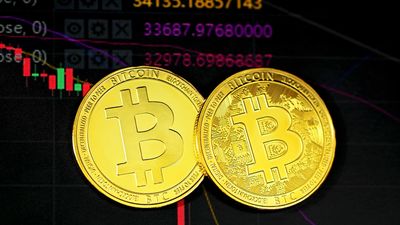
Oil prices surged above $112 as geopolitical tensions escalated, while crypto markets retreated from a brief rally. Bitcoin pulled back to $68,589, down 0.6% over 24 hours, after a failed attempt to maintain gains from a ceasefire-driven spike.
The recent price action in cryptocurrencies reflects a familiar pattern, where optimism from positive headlines is quickly overshadowed by negative developments. After touching $69,350 on Monday, Bitcoin's rally fizzled as Iran reportedly rejected a ceasefire proposal through a mediator, raising concerns about continued conflict. The situation has catalyzed a slew of reactions in both traditional and digital asset markets, highlighting the interconnectedness of global events and financial responses.
Ether and Solana also faced declines, falling 1% and 2.7% respectively. The broader market sentiment remains fragile, with Bitcoin continuing to trade within the $65,000 to $73,000 range established during the ongoing conflict. This fluctuation illustrates how geopolitical events can directly impact financial markets, including crypto, underscoring the volatility that often accompanies such tensions.
Oil prices, which jumped above $112, were influenced significantly by U.S. President Donald Trump's ultimatum to Iran regarding a potential deal. Trump set a Tuesday night deadline for Iran to agree to terms, threatening to destroy "every bridge in Iran by 12 o'clock tomorrow night" if an agreement was not reached. Such stark warnings contributed to the surge in oil prices, reflecting a broader fear of escalating conflict in an already unstable region, which historically affects not just oil markets but also the crypto landscape.
As Bitcoin began to lose steam, the market experienced a notable shift in sentiment. The cryptocurrency's decline mirrored the retraction of optimism that had briefly buoyed prices just hours earlier. Monday's highs were fueled by an Axios report that suggested the possibility of a 45-day ceasefire, which briefly pushed Bitcoin above the $69,000 mark. However, that optimism was short-lived, lasting only about 12 hours before geopolitical realities set back in.
The declines were not limited to Bitcoin alone. Other cryptocurrencies such as XRP and Dogecoin also experienced losses, falling 1.6% to $1.32 and 2.2% to $0.09, respectively. BNB managed to hold relatively flat at $598, indicating that while some cryptocurrencies were affected by the broader market sentiment, others were able to maintain stability amidst the chaos.
This pattern of price movements has characterized the last six weeks, where positive headlines have been met with immediate retractions due to negative comments or developments. Diana Pires, chief business officer at sFOX, noted that this recent move appeared less like a shift in fundamentals and more like positioning getting caught offsides. Such commentary reflects a market that has been heavily skewed bearish leading up to recent events, with short interest building across the board.
The market turmoil was evident in Monday's bounce, which produced $196.7 million in short liquidations as bearish traders found themselves caught off-guard by the ceasefire report. As prices surged, those holding short positions were forced to cover their trades, contributing to the temporary rise in Bitcoin's value. However, as the news cycle shifted back towards negative developments, the market quickly adjusted, demonstrating the fragility of current investor sentiment.
The situation escalated further when Iran reportedly communicated through mediator Pakistan a rejection of the ceasefire proposal. Instead, they demanded a permanent end to the war, the lifting of sanctions, and reconstruction efforts, in addition to safe passage through the strategic Strait of Hormuz. Such demands indicate that Iran remains firm in its stance and unwilling to compromise without significant concessions, which could prolong the conflict and further destabilize the region.
In the meantime, U.S. crude oil prices continued to climb, with Trump warning that the military could render every power plant in Iran "out of business" if negotiations fail. Despite these aggressive statements, Trump also claimed that talks were "going well," creating a dichotomy in his approach that adds to the overall uncertainty in the markets.
The impact on traditional markets was also notable. The Brent crude oil benchmark traded near $115.66, up 2.9% on the session, reflecting investor concerns about supply disruptions. In contrast, the S&P 500 managed to post its longest advance since January, showing resilience in equities despite the whipsaw nature of the markets. This divergence highlights how different asset classes respond to geopolitical events, with oil often reacting more sharply compared to equities, which can sometimes absorb volatility more gracefully.
The macroeconomic backdrop remains complex and uncertain. Recent U.S. services data indicated that the economy expanded at a slower pace in March, with employment contracting at the sharpest rate since 2023. Input prices have also begun to accelerate, creating a mixed signal that leaves the Federal Reserve with no clear directive to either cut rates or maintain the status quo. Key inflation readings expected this week are likely to further influence the Fed's next steps, adding another layer of complexity to the economic landscape.
Bitcoin's trading range of $65,000 to $73,000 has persisted throughout the ongoing conflict, with each rally failing to break the upper band while selloffs consistently hold at the lower bound. This pattern indicates a market caught in a tug-of-war between bullish and bearish sentiment, with traders closely monitoring geopolitical developments for clues on future price movements. The significant deadline set by Trump on Tuesday night looms large, as it is poised to determine which end of this trading range will be tested next.
As traders and investors brace for potential outcomes, the sentiment in crypto markets remains one of caution. The volatility seen in the wake of geopolitical tensions serves as a reminder of how quickly market dynamics can shift based on news cycles and international relations. The ongoing conflict and its implications for oil prices will continue to influence the crypto landscape, as investors reassess their positions in light of rapidly changing circumstances.
Moreover, the implications of the Iran deal extend beyond immediate price movements. The geopolitical landscape is intricately tied to economic conditions, and any prolonged conflict could lead to broader economic repercussions, potentially affecting investor confidence not just in oil, but across all asset classes, including cryptocurrencies. The reactions observed in crypto markets thus reflect a microcosm of broader economic concerns, with investors navigating through a landscape fraught with uncertainty and potential disruption.
As the situation unfolds, market participants will be watching closely for signals that could indicate the direction of both oil and crypto prices. The interlinked nature of these markets underscores the importance of remaining vigilant and responsive to news developments, as they can precipitate rapid changes in sentiment and price action. This interconnectedness will likely shape the trading strategies of investors looking to navigate the complexities of the current market environment.
With the deadline approaching and the stakes growing higher, the coming hours will be critical for both oil and crypto markets. The outcome of the negotiations—or lack thereof—will undoubtedly reverberate through financial markets, further illustrating the intricate dance between geopolitical events and market dynamics. Investors should prepare for a potentially volatile response as news breaks and reactions unfold across various asset classes, including cryptocurrencies, which continue to adapt to an ever-changing global landscape.