Crypto exchange volume experiences a significant downturn
 By John Nada·Jan 2, 2026·4 min read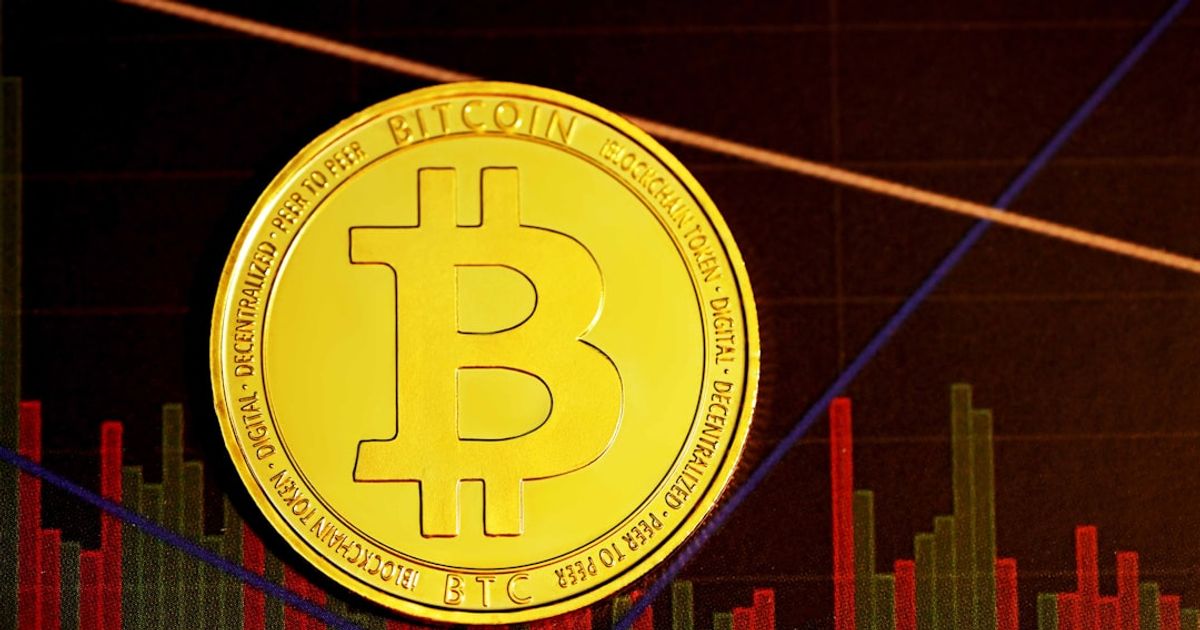
December saw crypto exchange volumes reach a 15-month low, signaling winter season trends and regulatory uncertainty. What does this mean for investors?
Amid a notable decrease in trading activity, the cryptocurrency market has witnessed its lowest exchange volume in 15 months as the year ended. According to recent reports, overall trading volumes fell sharply, attributed to seasonal factors and year-end repositioning. This development has raised questions about the market's health and the potential implications for investors moving into 2026.
Market impact and price action
The drop in trading volume reflects a broader trend that may not just signal a seasonal slowdown, but could indicate a deeper market malaise. December's overall trading volume on centralized exchanges fell to a staggering $200 billion, representing a 40% decrease compared to November's figures. This decline has reverberated throughout crypto assets, with many major tokens, including Bitcoin and Ethereum, experiencing muted price fluctuations.
Traders have noticed a significant reduction in trading pairs' liquidity, which can exacerbate volatility when price shifts occur. For example, the Bitcoin price hovered around $28,000 for much of December, a stark contrast to its peak earlier in the year at approximately $70,000. The lack of active trading can deter new investors, creating a cycle that further depresses activity.
Beyond seasonal effects, this decline in volume may reflect investor sentiment toward regulatory uncertainty and macroeconomic pressures. Market analysts suggest that the upcoming regulatory landscape could weigh heavily on trading decisions, as investors brace for potential changes. January has historically been a month where trading volumes rise again, but if the trends continue, it might be a sign of a continuing bear market.
Seasonal sentiment and year-end repositioning
Market observers have pointed to cyclical trends as a key factor influencing volume. Historically, trading often wanes in December as investors reassess their positions, close out profitable trades, and prepare for the new year. This year, however, the impact seems more pronounced, with many traders adopting a cautious approach amidst economic uncertainties surrounding inflation and interest rate hikes.
The sentiment around decentralized exchanges (DEXs) also mirrors these trends. DEX volumes fell by over 30% in December compared to the previous month, as users opted for less risky avenues. This retreat signals a potential shift in how investors perceive decentralized platforms, especially given the fallout from various high-profile exploits in the DeFi space.
Regulatory implications for the crypto market
Mortgage Rates Drop Despite a Rise in 30-Year Fixed Rate
Mortgage rates mostly fell, except the 30-year fixed, which rose.
The decrease in trading volume brings the issue of regulation to the forefront. With the crypto market still navigating through an evolving regulatory landscape, many investors are holding off on large trades until they gain clarity on what new regulations might mean for their assets. The Biden administration has indicated it will be prioritizing regulatory frameworks in 2026, which could impact everything from taxation to security classifications.
Recent developments highlight the need for clearer guidelines on cryptocurrency exchange operations. The Securities and Exchange Commission (SEC) is focused on determining how cryptocurrencies should be classified — whether as securities or commodities — and that decision could change the way exchanges operate and how they interact with users. As uncertainty lingers, many investors are opting for a wait-and-see approach, limiting their participation in the market.
What this means for investors
For retail investors, the current state of the market poses both risks and opportunities. On one hand, reduced trading volume could signify a lack of interest, leading to price stagnation and potential dips. Longer-term investors, however, might see this as an opportunity to accumulate assets at lower prices as they anticipate a recovery in activity when the market stabilizes and regulatory clarity is achieved.
Investors should also remain vigilant about potential opportunities in emerging sectors of the market. With the rise of decentralized finance (DeFi) and non-fungible tokens (NFTs), alternative investment avenues are expanding. As traditional exchanges face declining volumes, these sectors may grow as new liquidity sources. Understanding these niches will be crucial for savvy investors looking to navigate the complexities of the crypto landscape.
Moreover, market participants must pay close attention to key indicators, such as on-chain activity and major wallet movements, which can provide insights into market sentiment even when trading volumes are low. Watching for signs of renewed interest from institutional investors, who often lead the market recovery, will be essential.
Looking ahead to 2026
As we move into 2026, the cryptocurrency market faces critical challenges and opportunities. If historical trends hold, we may see a resurgence in trading volume as economic conditions stabilize and regulatory frameworks solidify. As investors return to the market, focus will likely shift to the next technological innovations and the evolution of financial products that leverage blockchain technology.
Moreover, the potential for institutional adoption remains promising, particularly as large firms explore how to integrate digital assets into their portfolios. The influence of institutional players could reignite excitement and trading volume, shaping a more dynamic market environment as we progress through the year.