
Chinese Billionaire Sentenced to 30 Years — $1 Billion Crypto Fraud
 By John Nada·Jun 30, 2026·5 min read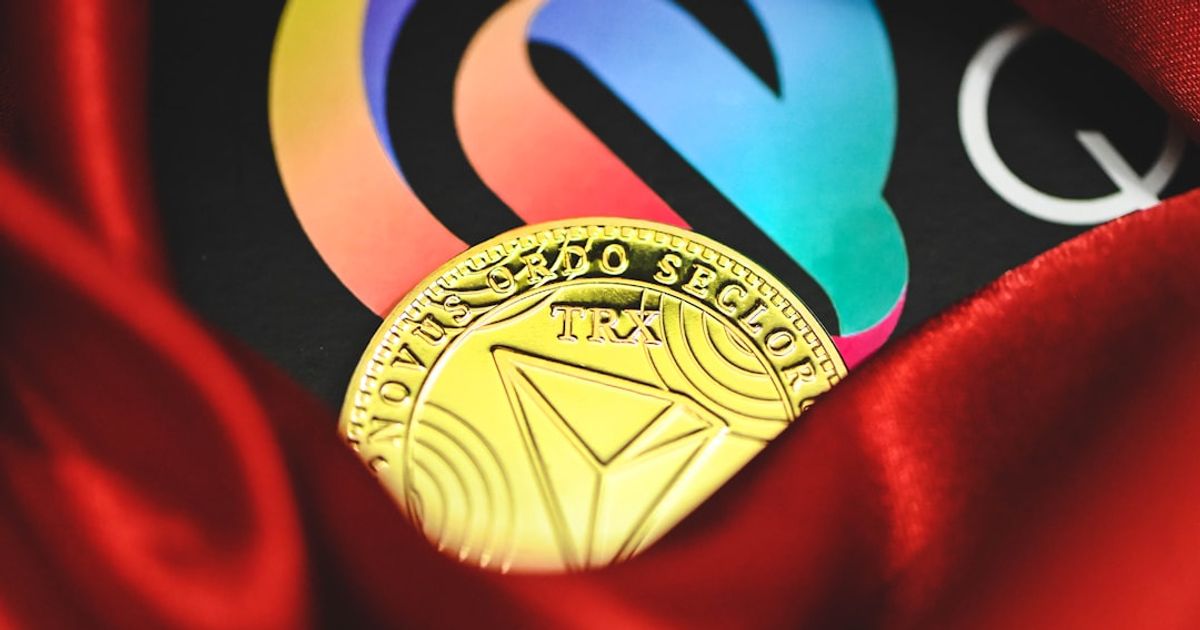
Miles Guo sentenced to 30 years for $1 billion crypto fraud. His ties to Steve Bannon and massive deceit rocked financial trusts.
“Miles Guo led a massive scheme to steal more than $1 billion through lies and deception,” said Deputy U.S. Attorney Sean Buckley, in a statement that resonates through the corridors of justice. The sentencing of Miles Guo, also known as Ho Wan Kwok, marks a significant chapter in the narrative of financial crime. The controversial figure, a Chinese billionaire in self-imposed exile, was sentenced to an overwhelming 30 years in prison. His crimes centered around orchestrating a fraudulent crypto operation among other illicit activities.
The intriguing tale of Miles Guo, a 55-year-old businessman, is intertwined with the creation of Himalaya Coin, widely known as H-Coin. This token was marketed with promises that painted a facade of stability and security—claims of a 20% gold backing and assurances of full indemnity against investment losses lured investors into a trap. The result was a staggering $500 million amassed under false pretenses, a portion of a broader spectrum of deceitful schemes.
Guo's fraudulent activities extended beyond the realm of H-Coin. Over the span of five years, his operations were described by U.S. authorities as "interrelated fraud schemes," leading to his conviction on multiple charges, including racketeering, fraud, and money laundering. The court's decision to order Guo to forfeit nearly $900 million underscores the gravity of his financial manipulations. This forfeiture included opulent assets such as a New Jersey mansion and luxury vehicles, including a Rolls Royce Phantom and a Bugatti.
Guo's connections to the U.S. political sphere added a layer of complexity to his narrative. His close relationship with Steve Bannon, a former strategist for President Donald Trump, drew considerable attention. In 2020, Bannon was arrested aboard Guo’s 150-foot yacht in connection with a separate fraud case, only to be pardoned by Trump in 2021. However, Bannon’s legal challenges persisted; he later faced state-level charges, culminating in a guilty plea in 2025, although he avoided prison time.
The saga of Miles Guo is a stark reminder of the potential for exploitation within the financial world, particularly where trust intersects with high-stakes investments. Deputy U.S. Attorney Sean Buckley emphasized how Guo, after immigrating to the United States, took advantage of the trust placed in him by thousands for his own selfish gain. This case serves as a chilling reminder to investors about the importance of due diligence and the risks associated with seemingly lucrative opportunities.
Guo's rise and fall offer insight into the global nature of financial crime and the challenges authorities face in policing such activities. His operations, which spanned international borders, highlight the complexities involved in tracking and prosecuting financial fraud on a massive scale. The involvement of a prominent political figure like Steve Bannon further complicates the narrative, illustrating how financial crime can intersect with political influence.
The legal proceedings against Guo were extensive and complex. The U.S. justice system had to navigate through layers of deceit to build a case that would ultimately lead to his conviction. The trial, which culminated in 2024, revealed the intricate web of lies and manipulations orchestrated by Guo. His promise of a gold-backed cryptocurrency and assurances of indemnity were nothing more than a mirage designed to lure unsuspecting investors.
Silver Futures Surge 0.2% Amidst Volatility and Uncertainty
Silver futures up 0.
Guo's defense attempted to paint him as a victim of circumstance, arguing that his actions were misinterpreted. However, the evidence presented by the prosecution was overwhelming. Testimonies from victims and financial records demonstrated the calculated nature of Guo’s operations. The court was convinced that Guo’s schemes were premeditated and executed with the intent to defraud.
As the case unfolded, it became clear that Guo's operations were not limited to the United States. His influence and fraudulent activities extended to victims around the world, illustrating the global reach of his schemes. This international dimension added to the complexity of the case, as authorities had to collaborate with international counterparts to piece together the full extent of Guo’s criminal enterprise.
The sentencing of Miles Guo serves as a cautionary tale for investors and highlights the need for regulatory oversight in the crypto space. The promises of high returns and secure investments often mask the underlying risks and potential for fraud. Guo’s case underscores the necessity for investors to be vigilant and critical of opportunities that seem too good to be true.
Furthermore, the case has implications for the broader crypto industry. It highlights the vulnerabilities and challenges faced by regulators in overseeing a rapidly evolving and often opaque market. The lack of transparency and the potential for manipulation within the crypto space present significant challenges for authorities tasked with protecting investors.
In the aftermath of Guo’s conviction, there have been calls for increased regulation and oversight of the crypto industry. Lawmakers and regulators are examining ways to strengthen protections for investors and ensure that the market operates with integrity. The case of Miles Guo serves as a catalyst for discussions on how to effectively regulate a market that is both innovative and fraught with potential for abuse.
Ultimately, the story of Miles Guo is a complex tapestry of ambition, deception, and betrayal. It serves as a stark reminder of the risks inherent in the financial world, particularly in emerging markets like cryptocurrency. As authorities continue to grapple with the challenges of regulating this space, the case of Miles Guo remains a pivotal reference point in the ongoing dialogue about financial crime and investor protection.