
Bitcoin Surges Past $76,000 — Iran Peace Talks Fuel Market Optimism
 By John Nada·May 23, 2026·3 min read
Bitcoin climbs to $76,700 as Trump announces a peace deal with Iran. Geopolitical moves fuel optimism in digital markets.
When the world talks peace, the markets listen. Bitcoin, the ever-volatile giant, showed its signature dance, climbing to $76,700 shortly after President Trump announced a tentative peace agreement with Iran. This marked a significant rebound from a sharp 4% drop from late Friday into early Saturday, highlighting Bitcoin's ability to quickly recover in response to geopolitical developments.
The announcement came via a post from President Trump on Truth Social, where he stated, "An Agreement has been largely negotiated, subject to finalization between the United States of America, the Islamic Republic of Iran, and the various other Countries." This statement was accompanied by the promise of reopening the Strait of Hormuz, a critical chokepoint for global oil supplies. The potential reopening of this vital passageway is not just about easing regional tensions; it carries significant implications for global trade and energy markets.
The narrative of Bitcoin as a safe-haven asset gains renewed momentum whenever traditional markets wobble due to political headlines. The recent peace talks could potentially tighten oil prices, drawing more attention to digital assets as a hedge against inflation. This sentiment is further bolstered by the broader economic context, where inflation remains a stubborn issue, and traditional monetary policies continue to struggle to keep pace with economic realities.
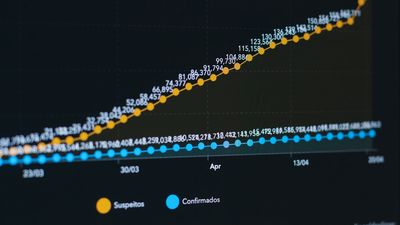
The market's response to the peace talks was emphatic. From a Friday low near $74,000, Bitcoin's leap to $76,700 was as much about sentiment as it was about numbers. This surge raises questions about Bitcoin's evolving role in the global economic landscape. Is Bitcoin learning to play well with others in the global economic sandbox, or is it simply being opportunistic in taking advantage of favorable conditions?
The reopening of the Strait of Hormuz carries profound implications beyond the immediate jump in Bitcoin prices. As a crucial artery for oil transportation, its status impacts global energy prices, which in turn influence inflation rates and economic stability worldwide. The stability in oil prices could reduce volatility in traditional markets, prompting investors to reassess their portfolios. In such a scenario, Bitcoin's appeal as an inflation hedge becomes even more pronounced.
Moreover, the geopolitical developments underscore Bitcoin's growing influence in response to international events. The digital currency's ability to react swiftly and decisively to global news suggests that it is increasingly seen as a bellwether for investor sentiment and market risk tolerance. This perception aligns with the views of financial experts like Connors, who argue that Bitcoin's potential for outperformance is rooted in its unique characteristics as a decentralized and inherently scarce asset.
As the ink dries on new international agreements, the cryptocurrency market is likely to see heightened interest from institutional investors. These players, who have historically been cautious in their approach to digital assets, may now view Bitcoin as a viable component of a diversified investment strategy. This shift in perspective could lead to increased liquidity and reduced volatility in Bitcoin markets, further solidifying its status as a legitimate asset class.