Bitcoin Poised to Outperform as Inflation Stays Stubborn — Mark Connors
 By John Nada·May 23, 2026·4 min read
Bitcoin's underperformance is over, says Mark Connors. Rising inflation and weakening bonds set the stage for Bitcoin's resurgence.
Bitcoin is ready to leave traditional assets in the dust again. According to Mark Connors, chief investment officer at Risk Dimensions, Bitcoin has broken free from its longest underperformance stretch against the S&P 500 in history, a 142-day drag that wrapped up in early May.
Connors, previously at Credit Suisse, sees Bitcoin stepping into a new phase of outperformance as inflation pressures persist and bond markets weaken. "Bitcoin's underperformance versus markets is over," he stated, as reported by CoinDesk, highlighting a transition from consolidation to dominance. Investors are grappling with stubborn inflation and rising oil prices, leaving bonds under pressure in a "higher-for-longer" rate environment.
The macroeconomic landscape is shifting dramatically, with inflationary pressures showing no signs of easing. This persistent inflation is largely fueled by high energy prices, which have remained structurally elevated throughout the year. Connors discusses how these high oil prices contribute significantly to the inflationary environment, thereby impacting traditional asset classes like bonds and equities. Bonds, once a safe haven, are now uneasy bedfellows in the market's dance with inflation and geopolitical tensions.
The bond market, traditionally viewed as a defensive stronghold, is experiencing significant stress. Connors argues that bonds are increasingly under pressure as markets adjust to a prolonged period of higher interest rates. This "higher-for-longer" scenario is reshaping investor strategies, with many turning their focus toward alternative assets such as Bitcoin.
Bitcoin, often described as digital gold, has shown resilience in the face of economic adversity. Connors posits that Bitcoin, despite facing initial setbacks, has the capacity to emerge as a leader, outpacing both equities and fixed income. He notes that Bitcoin's ability to "take it on the chin early" and subsequently recover is a testament to its robustness as an asset.
Geopolitical tensions are another critical factor influencing the current financial climate. These tensions, coupled with elevated energy prices, are driving markets to seek technological solutions to mitigate inflationary pressures. Connors highlights the growing intersection between AI and blockchain technologies, which businesses are increasingly adopting to enhance efficiency and support machine-driven transactions.
Connors draws parallels between the present situation and the early stages of the COVID-19 pandemic in 2020. During that time, gold initially outperformed as a safe-haven asset; however, it was later overshadowed by Bitcoin's resurgence. He suggests a similar pattern may be unfolding now, with Bitcoin poised to reclaim its dominance in the financial markets.
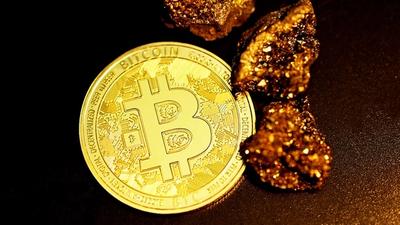
Bitcoin's Bull Market Peaks Shrink Despite Cycles
Bitcoin's bull peaks shrink with cycles.
The narrative of Bitcoin versus gold is not new, yet it remains a compelling discourse in the context of current market dynamics. Connors believes that while gold has historically served as a store of value, the technological advancements and unique properties of Bitcoin position it as a viable alternative in today's digital age.
Investor sentiment is gradually shifting, with more individuals and institutions recognizing Bitcoin's potential as a hedge against inflation. As traditional assets struggle to keep pace with the evolving economic landscape, Bitcoin emerges as a potentially attractive investment option for those seeking to diversify their portfolios and protect against inflationary risks.
Connors' insights into the market reflect a broader trend of increasing institutional interest in Bitcoin and other cryptocurrencies. As regulatory frameworks continue to evolve, the integration of digital assets into mainstream finance becomes more feasible, further bolstering Bitcoin's prospects.
The ongoing peace agreement negotiations, such as those involving the United States and Iran, also play a role in shaping market expectations. While geopolitical developments can introduce volatility, they also present opportunities for assets like Bitcoin to demonstrate their resilience and adaptability.
In this context, Bitcoin is not merely a speculative asset but a potential cornerstone of the future financial landscape. Its decentralized nature and limited supply make it an appealing alternative to traditional fiat currencies, particularly in times of economic uncertainty.
As the world navigates through these turbulent times, the question remains: How will Bitcoin's renewed momentum shape the future of finance? Connors' analysis suggests that Bitcoin's trajectory is not just a reactionary response to current market conditions but a strategic evolution towards becoming a fundamental component of the global financial ecosystem.