Bitcoin Holds Steady at $77K as Fed Prepares New Leadership
 By John Nada·May 22, 2026·5 min read
Bitcoin stays near $77K amid dismal economic data as Kevin Warsh steps in as Fed Chairman, likely facing a challenging term with inflation on the rise.
Friday morning saw Bitcoin (BTC) maintaining its position in a narrow trading band around $77,000, a status quo that has persisted throughout the week. This stability in the cryptocurrency market coincided with unsettling economic data from the University of Michigan. The Consumer Sentiment Index for May plummeted to a record low of 44.8, down from 48.2, missing economist forecasts. The Expectations Index mirrored this downturn, also hitting a record low of 44.1.
Bitcoin's stability amid economic turbulence is notable. The cryptocurrency market often exhibits volatility, yet BTC's narrow trading range suggests a period of relative calm. This steadiness comes at a time when traditional markets are experiencing fluctuations, underscoring Bitcoin's evolving role as a potential hedge against macroeconomic uncertainties.
The inflation picture isn't reassuring either. According to CoinDesk, the UMich 1-year Consumer Inflation Expectations Index ticked up to 4.8% from its previous 4.5%, while the 5-year gauge rose to 3.9% from 3.4%. Such figures contribute to a growing narrative of stagflation, a challenge now squarely in the lap of Kevin Warsh, who is set to assume the role of Federal Reserve Chairman.
Stagflation, characterized by high inflation and stagnant economic growth, presents a complex challenge for policymakers. Warsh, appointed by President Trump, steps into this pivotal role amidst rising inflation pressures fueled by ongoing geopolitical tensions, notably the Iran conflict, which has driven oil prices higher. This backdrop makes the Federal Reserve's task of managing monetary policy particularly daunting.
The market is now pricing in over a 70% probability of interest rate hikes by the end of 2026, a clear indication of the anticipated monetary policy pivot under Warsh's leadership. This expectation reflects a broader market sentiment that rate hikes might be necessary to curb inflation, despite the potential negative impact on economic growth.
As Warsh's swearing-in ceremony looms at 11 am ET, U.S. stocks are experiencing modest gains, with the Nasdaq up by 0.3% and the S&P 500 climbing 0.4% ahead of the Memorial Day weekend. The stock market's response may indicate cautious optimism among investors, who are closely monitoring how Warsh will navigate the twin challenges of inflation control and economic growth stimulation.
Whether his stewardship will steer the Federal Reserve toward rate cuts as originally intended remains a subject of intense speculation. The expectation of rate hikes contrasts sharply with previous anticipations of rate cuts, highlighting the fluid nature of economic policymaking in response to global events.
The financial landscape is layered and complex, reflecting broader macroeconomic concerns alongside the micro-market movements of individual assets like Bitcoin. Investors remain watchful, parsing data for clues on the Fed's next moves and their potential impact on both traditional and digital assets. There's always more beneath the numbers.
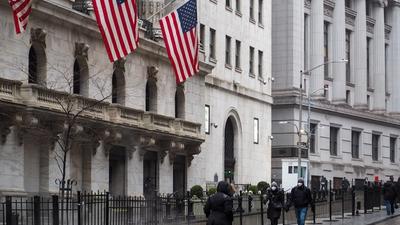
Banks Set Stage—Big Earnings and Inflation Data Loom
Q2 earnings kickoff sees banks and tech giants under the spotlight.
The University of Michigan's Consumer Sentiment Index is a critical measure of economic health, offering insights into consumer confidence and spending intentions. Its record low levels suggest a significant decline in consumer confidence, which could lead to reduced consumer spending—a major component of economic growth.
Inflation expectations, as measured by the UMich indices, provide valuable insights into consumer perceptions of future price increases. Rising inflation expectations can influence wage demands, spending behaviors, and investment decisions, potentially creating a self-fulfilling cycle of inflationary pressures.
The geopolitical tensions, particularly the ongoing conflict involving Iran, have exacerbated inflationary pressures by driving up oil prices. Energy costs are a significant component of the Consumer Price Index (CPI), and rising oil prices can ripple through the economy, affecting transportation costs, production expenses, and ultimately consumer prices.
Kevin Warsh's appointment as Federal Reserve Chairman comes at a critical juncture. The Federal Reserve's dual mandate—maximizing employment and stabilizing prices—requires a delicate balancing act, especially in the current economic environment. Warsh's policy decisions will be closely scrutinized by economists, market participants, and policymakers alike.
The anticipation of interest rate hikes reflects the market's belief that the Federal Reserve will prioritize inflation control, even at the risk of slowing economic growth. This approach aligns with traditional monetary policy tools used to combat inflation, such as increasing interest rates to reduce money supply and cool economic activity.
Bitcoin's steady performance amidst these economic challenges highlights its potential role as a store of value. While traditionally viewed as a speculative asset, Bitcoin's stability in the face of macroeconomic uncertainty suggests its growing acceptance as an alternative asset class. This perception is reinforced by the increasing interest from institutional investors seeking diversification and hedging opportunities.
As the Memorial Day weekend approaches, the modest gains in U.S. stock indices suggest a market cautiously optimistic about the future. Investors are likely weighing the potential benefits of a stable Federal Reserve leadership against the risks posed by inflation and geopolitical uncertainties.
The interplay between Bitcoin's market dynamics and the broader economic landscape underscores the complexity of modern financial markets. As digital assets continue to evolve, their interactions with traditional economic indicators and policies will remain a focal point for analysis and speculation.