
Bitcoin Faces Whipsaw Effect as Market Adjusts to Global Financial Changes
 By John Nada·Dec 19, 2025·3 min read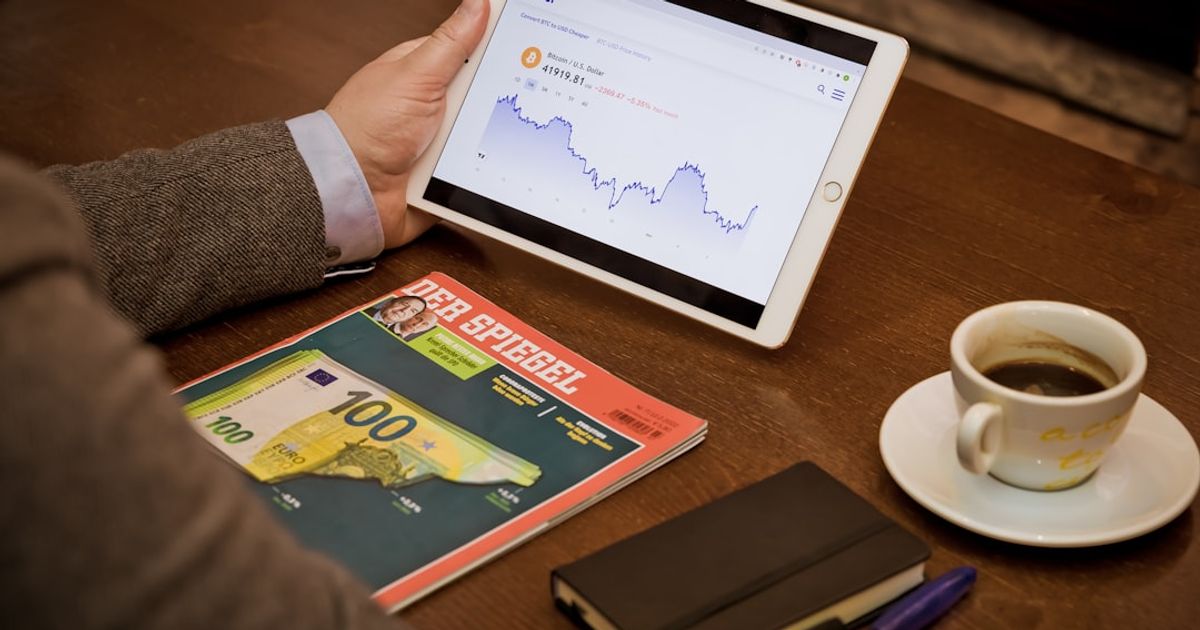
Bitcoin experiences significant market volatility following a rate hike from the Bank of Japan, leading to over $500 million in liquidations. Investors must stay vigilant amid changing global economic conditions.
Bitcoin markets have recently encountered extreme volatility, amplifying the conversation about liquidation and the underlying factors driving these drastic shifts. As traders react to recent developments, including profit-taking from derivatives and an important monetary policy shift from the Bank of Japan, over $500 million in liquidations have been reported in a single day. This rapid movement in the market not only underscores the inherent risks of trading in cryptocurrency but raises questions about investor sentiment amid ongoing global economic changes.
Current trading dynamics are starkly influenced by global monetary policy. The Bank of Japan’s unexpected rate hike sent ripples through financial markets, leading to adjustments by traders globally. Liquidations surged sharply as investors scrambled to mitigate losses, reflecting how interconnected the cryptocurrency market has become with traditional financial systems. Bitcoin, which was trading at around $26,000 prior to the Bank’s announcement, witnessed erratic fluctuations as traders reacted to the shifting macroeconomic landscape.
Recent price activity paints a dramatic picture. From highs above $28,000 to lows dipping towards $25,000, Bitcoin saw a significant retracement, essentially a technical correction driven by external economic pressures and traders' behavior. The market's sensitivity to news, especially on central bank actions, highlights a crucial takeaway for investors: being alert to global cues is just as important as analyzing technical indicators. As Bitcoin's price approached critical support levels, many investors were spooked, leading to high levels of leverage unwinding and subsequent liquidations.
Silver Futures Rise to $76.12 Amid Escalating Geopolitical Tensions
Silver futures rallied to $76.
For context, liquidation refers to the forced closure of positions when a trader cannot meet margin requirements. In this recent scenario, many trades were over-leveraged, meaning investors borrowed against their positions, betting heavily on price increases. When the market swung downward, these positions were automatically liquidated to cover losses. It serves as a stark reminder of the risks inherent in trading, particularly in a market as volatile as Bitcoin.
The macro backdrop contributes to a complex trading environment. Analysts are observing other patterns too, such as increased interest from institutional investors who are looking for opportunities during these fluctuations. Despite short-term volatilities, the long-term outlook remains focused on adoption and integration of cryptocurrency into broader financial systems. In the past, similar market corrections have often led to new levels of price discovery, although this remains to be seen as investors continue to navigate through turbulence.
The trend of liquidations stemming from profit-taking strategies suggests that traders are becoming more cautious. Many are adapting by recalibrating their risk management strategies, possibly moving towards less leveraged positions. This adjustment could lead to a more stable trading environment in the future, as it could reduce the intensity of such liquidation events when markets shift.
As we move forward, keeping an eye on regulatory developments is crucial. Regulatory clarity and frameworks can significantly impact market dynamics, fostering a safer trading environment that could mitigate the frequency of such liquidations. Moreover, the potential for future interest rate adjustments by global central banks will likely remain a focal point for both crypto and traditional asset investors for the foreseeable future. With market participants watching closely, Bitcoin's resilience will be tested again as it navigates through these unpredictable cycles.