Bitcoin Dips to $74,190 Amid Fed Rate Hike Concerns
 By John Nada·May 24, 2026·3 min read
Bitcoin falls to $74,190 as Fed chair Warsh takes office. Rate hike fears overshadow pro-crypto hopes.
Bitcoin plunged to $74,190 on Saturday, marking its lowest point in over a month. This dive comes on the heels of Kevin Warsh assuming his role as Federal Reserve Chairman, a development that initially sparked optimism given his pro-crypto stance.
The surge in the 2-year Treasury yield to its highest level since February 2025 is significant. Historically, when the 2-year yield surpasses the federal funds rate target range, it indicates market expectations for tighter monetary policy in the future. This pattern aligns with a historical tendency where the Federal Reserve raises rates when the yield exceeds the Fed's rate, according to data from BCA Research. Conversely, a drop below the Fed funds rate has often signaled anticipated rate cuts. Such dynamics are crucial as they can weaken Bitcoin's bullish case, which typically thrives on falling yields, lower real rates, and easier liquidity conditions.
CME data indicates traders foresee the Fed maintaining current rates for much of 2026, with a potential 25 basis point increase in December. This anticipation of a rate hike later in the year adds further pressure on Bitcoin prices. Analyst Crypto Patel highlights Warsh’s reputation as an inflation hawk, suggesting he might not be inclined to cut rates despite his crypto-friendly views.
Warsh, known for his pro-crypto stance, has a history of speaking favorably about Bitcoin and criticizing central bank digital currencies, advocating for a larger role for private-sector financial innovation. However, his monetary policy perspective may still challenge the bullish Bitcoin narrative. Patel emphasizes that being crypto-friendly on regulation differs significantly from being dovish on rates. The difficult macro backdrop, including inflation risks driven by geopolitical tensions like the Iran war and labor market pressures, might restrain Warsh from pursuing rate cuts.
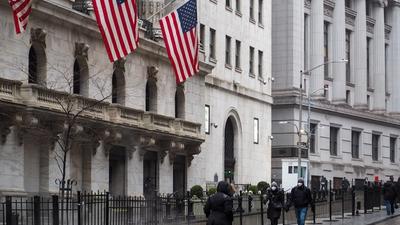
Banks Set Stage—Big Earnings and Inflation Data Loom
Q2 earnings kickoff sees banks and tech giants under the spotlight.
Bitcoin is also wrestling with its historical pattern during Fed chair transitions. Past changes in leadership have coincided with significant declines in Bitcoin’s value. Analyst Lucky notes that BTC has struggled during previous chair transitions: it fell 84% after Janet Yellen took over in January 2014, 73% after Jerome Powell started in February 2018, and 60% after Powell began his second term in May 2022. Warsh’s takeover has so far coincided with a sharp BTC decline, suggesting traders may again be de-risking as they wait for policy clarity from the new Fed chief.
This trend highlights the broader market sentiment that often accompanies leadership changes at the Federal Reserve. Investors typically exhibit caution, reassessing their positions as they await clearer indications of the new chair's policy direction. The anticipation of changes in monetary policy not only affects traditional financial markets but also significantly impacts cryptocurrencies like Bitcoin, known for their sensitivity to macroeconomic factors.
As Warsh takes charge against a backdrop of inflationary pressures from geopolitical tensions and a tight labor market, the market waits with bated breath. The geopolitical landscape, particularly ongoing conflicts, contributes to economic uncertainties that can exacerbate inflationary pressures. At the same time, a tight labor market can lead to increased wage pressures, further complicating the inflation outlook. These conditions create a challenging environment for the Federal Reserve to navigate, potentially influencing its monetary policy decisions.
The current dynamics in the Bitcoin market reflect a complex interplay of factors, including macroeconomic conditions, monetary policy expectations, and historical patterns. While Warsh's pro-crypto stance initially sparked optimism, the prevailing economic conditions and his reputation as an inflation hawk contribute to the market's cautious sentiment. The anticipation of a rate hike and the historical challenges faced by Bitcoin during Fed chair transitions further add to the uncertainty.