
Apple at 50: Navigating AI Challenges and Leadership Transitions
 By John Nada·Apr 5, 2026·8 min read
Apple's 50th anniversary reveals critical challenges in AI, leadership, and market strategy. The company's ability to adapt could reshape the tech landscape.
As Apple celebrates its 50th anniversary, the company that's defined consumer electronics since introducing the iPod, and that forever changed user behavior in creating the iPhone, faces a host of critical questions about where it goes from here. Apple first became the world's most valuable company in 2011, passing Exxon Mobil, and held that title for large chunks of the decade plus that followed, occasionally getting surpassed by Alphabet or Microsoft. Apple is now second behind Nvidia, which catapulted ahead of all of its tech peers in the last couple years due to its position at the heart of the artificial intelligence boom.
So far in 2026, Apple's stock is down almost 7%, dropping more than the S&P 500 after underperforming the index last year. For Apple, AI is perhaps the biggest question mark. While the company continues to dominate the U.S. smartphone market and has a services business generating more than $100 billion in annual revenue, it's yet to make a significant splash in AI, as its peers are spending hundreds of billions of dollars combined this year building infrastructure to develop and support the latest models. Siri, Apple's voice assistant, has been slow to evolve, though the company has said a revamp is coming this year. The company's early history, written by the visionary Steve Jobs, has entered a new world, one where iPhones are making incremental advances while the technology surrounding it is in the midst of generational change.
CEO Tim Cook, who took the helm shortly before Jobs' death in 2011, turned 65 in November. Cook has dismissed rumors that he's nearing retirement, telling ABC's "Good Morning America" in mid-March that, "I can't imagine life without Apple." However, the reality of Cook's tenure raises significant questions. Apple has enjoyed a decade marked by growth under his leadership, but the challenges of the next decade may require a different approach than the operational excellence that defined Cook's era. Cook and his team have a lot to tackle. Here are five key questions facing Apple as the company enters its second half-century.
What’s the 'next iPhone moment' in hardware? Apple has 2.5 billion devices being actively used across the globe, giving the company enormous opportunity to make money through apps and other services. But Wall Street has been waiting for Apple to find another breakout. The company killed the Apple Car project, and the Vision Pro goggles remain niche, highlighting the pressure to innovate. AI-enabled hardware appears to be where the market is heading through some combination of wearables, robotics, spatial computing, or possibly something Apple hasn't shown yet. Experts, including Ben Bajarin, CEO of Creative Strategies, emphasize the importance of answering the question, "What comes after the iPhone?" These are mature categories, and while there's no clear answer, the future could involve AI hardware that fundamentally transforms user interaction.
In January, Bloomberg reported that Apple will be accelerating the development of three upcoming AI wearables built around Siri: smart glasses, a pendant, and AirPods with cameras. This potential leap into AI-integrated devices could offer consumers new ways to experience Apple's ecosystem. However, Nabila Popal, an analyst at IDC, cautions that none of these expected releases, like a Siri upgrade or foldable phone, are likely to equal "the next iPhone moment." She referenced Steve Jobs' famous "Think Different" speech in 1997, underlining that the energy and innovation expected from Apple’s next generation of products are not yet apparent.
Who will succeed Tim Cook? Tim Cook's leadership has brought Apple to new heights, but whispers of his fatigue and the need for fresh leadership have grown louder. John Ternus, Apple's hardware boss, is seen as a potential successor. Ternus, who is about 15 years younger than Cook, has been with the company for half its life, joining shortly after earning a degree in mechanical engineering from the University of Pennsylvania. His oversight of hardware engineering teams behind key products positions him well for leadership. Industry analysts believe that the next decade will be turbulent for Apple, demanding a more innovative approach amidst significant technological changes and consumer interactions.
Morgan Stanley analyst Erik Woodring noted that the future of Apple leadership will likely hinge on the next generation of products. Whether Cook's successor is Ternus or another executive like Craig Federighi, there's a consensus that Apple will require stronger engineering and operational leadership. Popal stresses the need for the new CEO to navigate government relations effectively, a task Cook has handled adeptly throughout his tenure. The challenges of leadership succession could significantly impact Apple's adaptability in an increasingly competitive market.
How does Apple handle the China conundrum? China is a critical market for Apple, both for sales of devices and the manufacturing of them. The relationship between the U.S. and China has reached a volatile moment, with both nations engaged in a long-standing trade dispute. Following a recent truce that reduced tariffs, Apple's revenue from Greater China fell to $64.4 billion in fiscal 2025, marking an 11% decline over two years. However, a notable rebound in iPhone sales indicates resilience, with a sharp increase of 38% in the December quarter, attributed to both existing iPhone users upgrading and new customers switching from competitors.
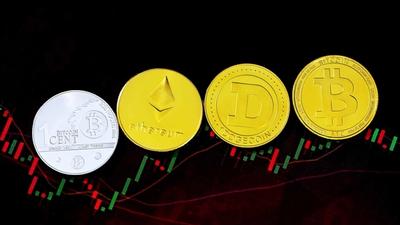
Bitcoin Slumps to $62K — AI Trade Unwinds Amid Market Jitters
Bitcoin fell to $62,715 as the AI trade faltered.
Despite this positive trend, the long-term outlook remains uncertain. Apple has warned that tariffs, trade restrictions, and geopolitical tensions could disrupt supply chains and raise operational costs. The company has already incurred over $3 billion in tariffs since the Trump administration's policies were enacted. To mitigate these risks, Apple is diversifying production to countries like India and Vietnam, yet China remains a vital component of its supply chain and demand strategy. As Woodring noted, while Apple is diversifying, the intricacies of the Chinese market mean that it must continue to navigate these geopolitical challenges without sacrificing its margins.
AI poses another challenge for Apple in China. Operating within the country requires Apple to comply with local regulations, including filtering and censoring AI outputs to align with government standards. This adds complexity to Apple's existing AI strategy, which is already under scrutiny as the company seeks to enhance Siri's capabilities. Without a clear plan, the pressure mounts for Apple to deliver compelling AI features at the device level to satisfy consumer expectations.
Can devices deliver the AI consumers want? As Apple looks to the future, the absence of a clear AI strategy raises concerns about its ability to meet consumer demands for advanced AI experiences. The recent partnership with Google to enhance Siri’s functionality represents a strategic move to bolster Apple's AI capabilities, leveraging Google’s expertise and cloud technology. However, the company’s lack of a dedicated cloud infrastructure puts it at a disadvantage compared to competitors like Microsoft, Google, and Amazon, who have robust offerings in this arena.
Bajarin pointed out that while Apple has a loyal customer base that does not frequently switch brands, attracting new consumers hinges on the company’s ability to deliver innovative AI-driven features. The collaboration with Google is viewed as a critical step in addressing these challenges, yet the effectiveness of such partnerships in redefining Apple's AI identity remains uncertain. Woodring echoed this sentiment, suggesting that Apple’s strategy over the past two years has lacked clarity, but expressed confidence that the company will execute effectively when significant opportunities arise.
Can Apple maintain its status as a premium brand? The introduction of lower-priced products like the MacBook Neo raises questions about how Apple will maintain its premium brand identity. While these products may attract more users and expand the customer base, the risk of diluting the brand's exclusivity is a significant concern. The company’s recent ventures into advertising—historically avoided—illustrate a strategic shift that could reshape customer experiences, but also poses challenges in preserving the brand's integrity.
The services segment, which includes the App Store, iCloud, Apple Music, Apple Pay, and the recently launched Apple Business platform, plays an increasingly vital role in Apple's revenue generation. By expanding advertising options in its maps product and the App Store, Apple aims to monetize its services further and lock in more users. However, analysts like Woodring caution that while the company is attempting to differentiate itself at the lower end, maintaining the allure of its premium brand will require careful navigation. Recent missteps in redefining the user experience, particularly with the iPhone, have led to questions about how long Apple can retain its loyal customer base without innovation.
As Apple enters its second half-century, the challenges it faces reflect broader trends in the tech industry. The rapid evolution towards AI and the need for robust leadership will be critical determinants of whether Apple can adapt and thrive. The decisions made by Apple in the coming years will not only influence its future trajectory but also set precedents for how premium brands navigate technological transformation and evolving consumer expectations.